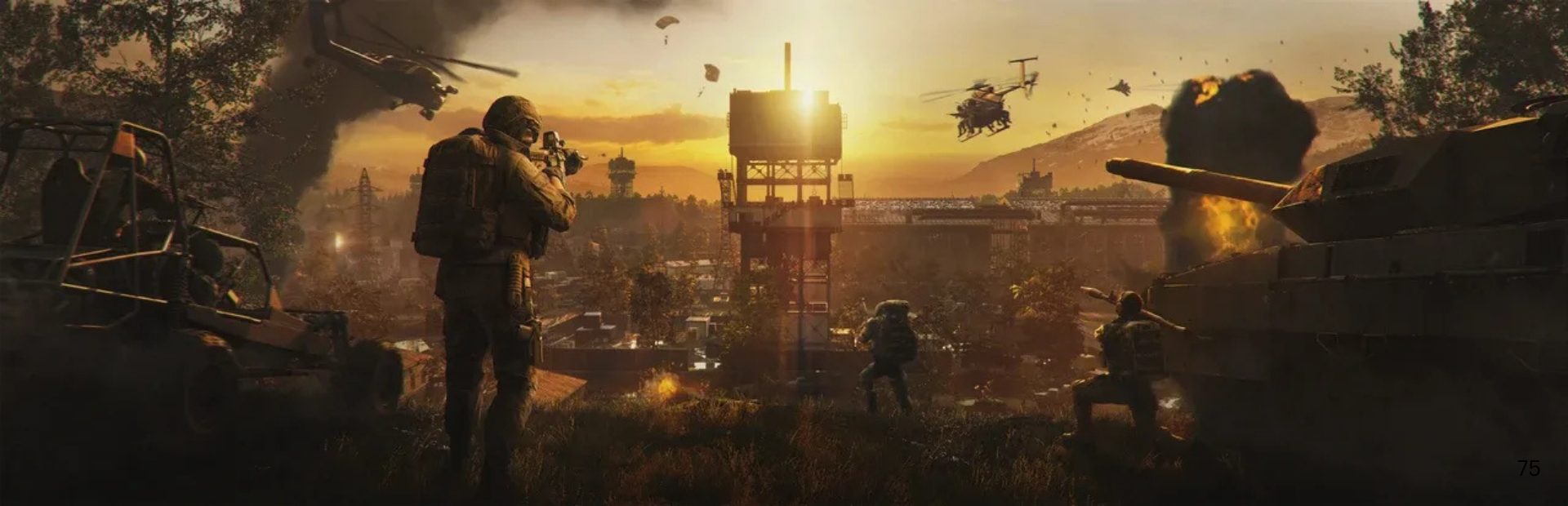
Wardogs is turning teamwork into a negotiation
Wardogs pays players for revives, transport and support, creating a cash economy where teammates can negotiate over help and even exploit the system.
On September 5, Bulkhead opened Wardogs' closed beta to everyone for its final weekend, giving many more players a chance to try the 100-player military shooter before Early Access begins on September 10.
The beta showed a game where players can fly teammates across the map, revive them under fire, build defenses and earn money for doing those jobs. That cash carries between matches and pays for the weapons, equipment and vehicles you take into battle.
What stood out was how often that economy turned teamwork into a negotiation. A downed player can offer cash for a revive, passengers can tip their pilot, and you can even sell supplies to your own teammates.
Earlier tests also showed how easily this same economy can be abused, including players destroying friendly equipment or defenses, to create more demand for the services they were selling.
Every life has a price
In Wardogs, you start with $10,000 and use that money to pay for every weapon, piece of equipment and vehicle you bring into battle. Each time you respawn, you are spending from that same balance, while cash carries between matches.
If you die without being revived, you lose the equipment you were carrying. Losing a cheap loadout may only cost you a few hundred dollars, while dying with several thousand dollars' worth of gear can take a much bigger chunk out of your balance.
You might expect kills to be the main way to earn that money back, but Wardogs puts much more emphasis on helping your team. Reviving players, transporting them and contributing to objectives all pay, making support work a crucial part of the in-game economy.
Players can also pay each other directly. If someone flies you across the map, you can tip them. If you are downed with an expensive loadout, you can offer another player cash to come and revive you.
That is where the economy starts changing how teammates deal with each other. A revival is no longer just a favour when the player on the ground can attach $300 to it, and a helicopter ride can become a paid service.
This could give richer players an advantage. Someone with plenty of cash can offer more for a risky revive or convince a pilot to make a detour, while a player with little money has fewer ways to get that extra help.
A revive can be cheaper than dying
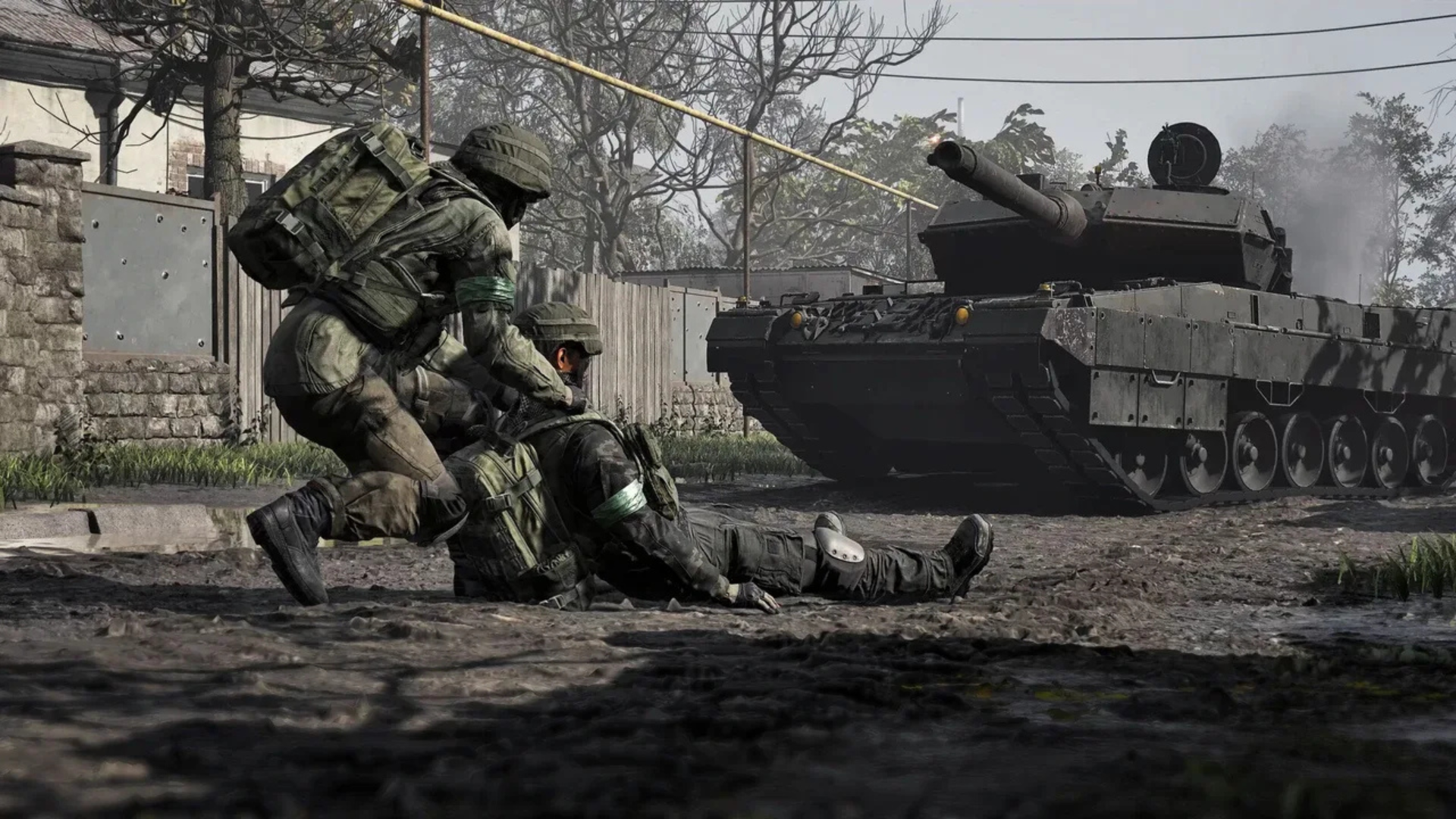
One August playtest showed how quickly that player-to-player economy can affect a simple revive.
After spending $2,600 on a loadout, one player went down and offered a nearby teammate $300 to bring him back. The teammate accepted and pulled him out of danger.
If dying costs you $2,600 in equipment, paying $300 for a revive is a cheap way out.
For the teammate coming to get you, that $300 is payment for taking the risk. They may have to cross open ground or push into enemy fire, with their own loadout on the line.
Players with expensive loadouts therefore have more reason to wait for help and offer more money for it. Someone carrying cheaper equipment may decide that respawning is the better option.
Not every revival needs to turn into an auction. The same playtest showed that objective play, healing and occasional kills could already keep a player profitable across most lives.
The extra payment becomes most useful when you are asking someone to take a bigger risk or go out of their way.
A risky revival, a long detour or a helicopter pickup can all become jobs worth paying extra for.

Making money without chasing kills
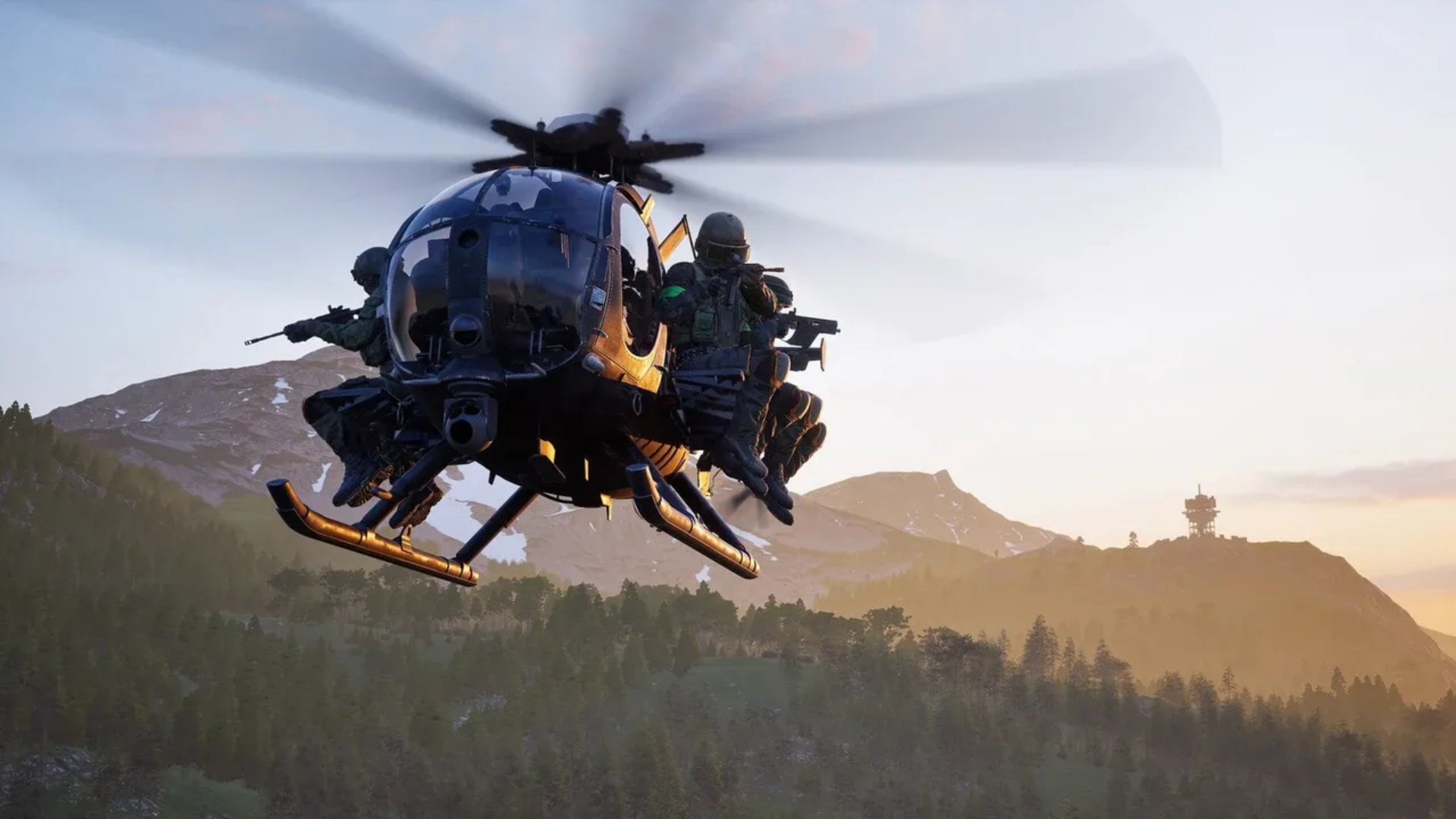
Apart from reviving teammates, helping with objectives, transporting players and taking on other support work can all earn you extra cash. For once, your K/D ratio is not the only thing deciding whether a match is profitable.
One pilot reportedly earned more than $35,000 without getting a single kill, simply by flying teammates around the map. Support actions also contribute to progression. Healing and reviving improve the medic role, while spotting enemies develops recon and unlocks more equipment.
Choosing one of those roles does not lock you in for the whole match. You can spend one life flying teammates to the frontline, switch to medical equipment after respawning and change again if the team needs something else.
That gives players plenty of ways to contribute without having to be a great shooter. In a coordinated squad, that could make role selection and resource management almost as important as aim.
A strong team may need good pilots, medics and objective players just as much as its best fraggers.
Sabotage can create its own customers
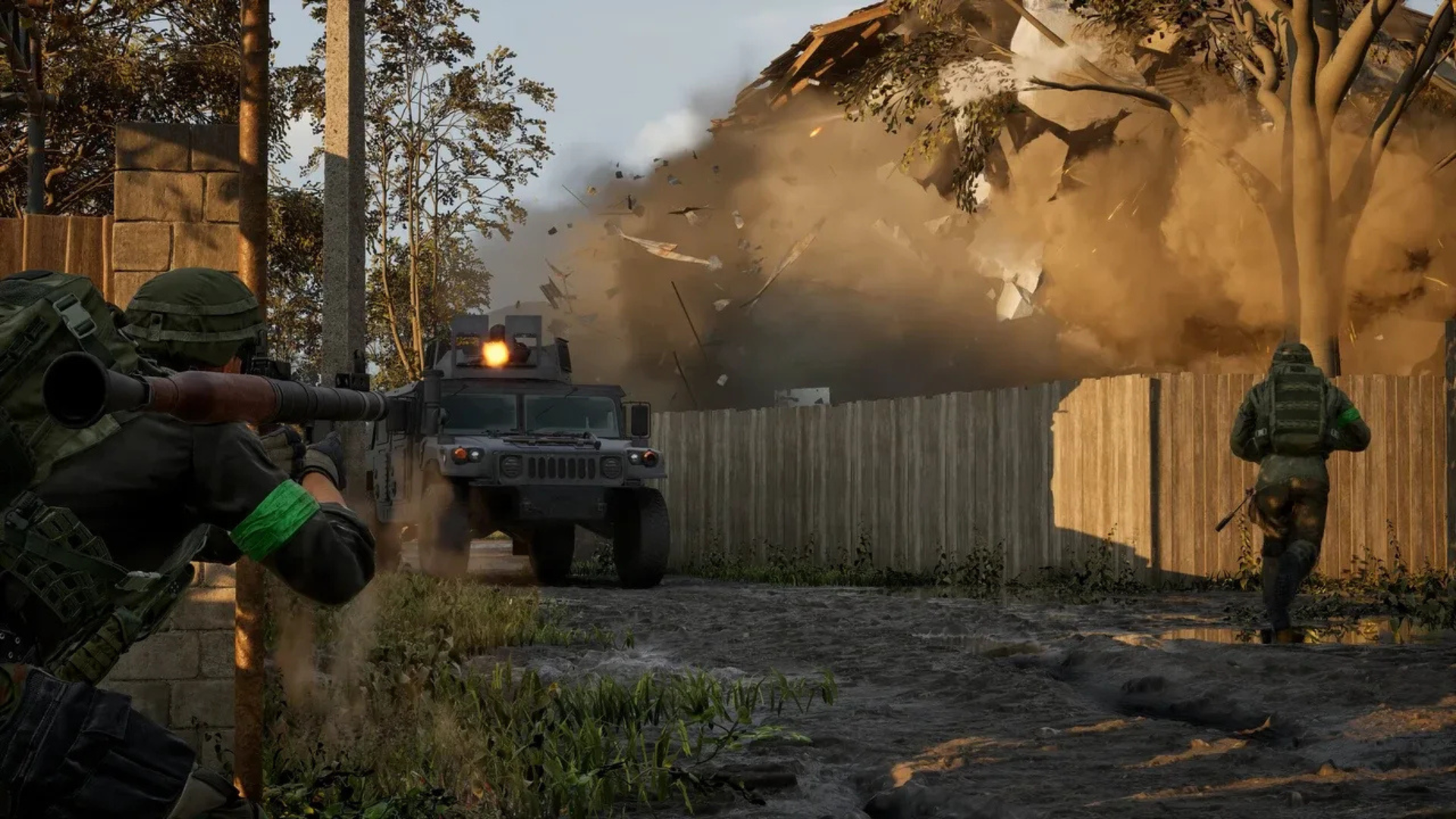
Players have already found ways to make money by creating the problem themselves.
One player sold building supplies to teammates and then secretly dismantled their fortifications. When the builders needed more materials, he was ready to sell them another batch.
He was effectively creating his own customers.
The same player also destroyed friendly helicopters to remove competing transport providers. Instead of earning more by becoming the best pilot, he could reduce the number of helicopters and leave more passengers looking for his services.
Both examples turn the game's economy against the team. The builders think they are paying a useful supplier, while the supplier is also the reason they keep running out of defenses.
These exploits were deliberately tested in an earlier build, so they do not tell us how common that behaviour was or whether every tactic remained possible during the September beta.
Even so, they expose a problem Bulkhead will have to deal with during Early Access. The game can see that someone sold supplies or completed a transport job. It has a much harder time knowing whether that player secretly created the demand themselves.
Basic teamwork should not need a bidding war
Bulkhead plans to adjust the economy during Early Access using gameplay data.
A $300 revive for a $2,600 loadout is exactly the kind of transaction that makes the system interesting. The downed player saves thousands of dollars, while the teammate taking the risk gets paid for crossing open ground to reach them.
The sabotage examples do the opposite. A player who dismantles friendly fortifications and then sells the materials needed to rebuild them is earning money because the team is worse off. Destroying friendly helicopters to remove competing pilots rewards the same behaviour.
That is what Bulkhead needs to prevent. Medics, pilots and objective players should be able to make good money because they helped the team win, not because they found the most profitable way to make their teammates dependent on them.
Wardogs has a genuinely different idea for teamwork here. Players can bargain over revives, transport and supplies instead of simply hoping someone volunteers.
If helping the team pays, that economy could become one of Wardogs' best ideas. If sabotage pays more, it has failed.
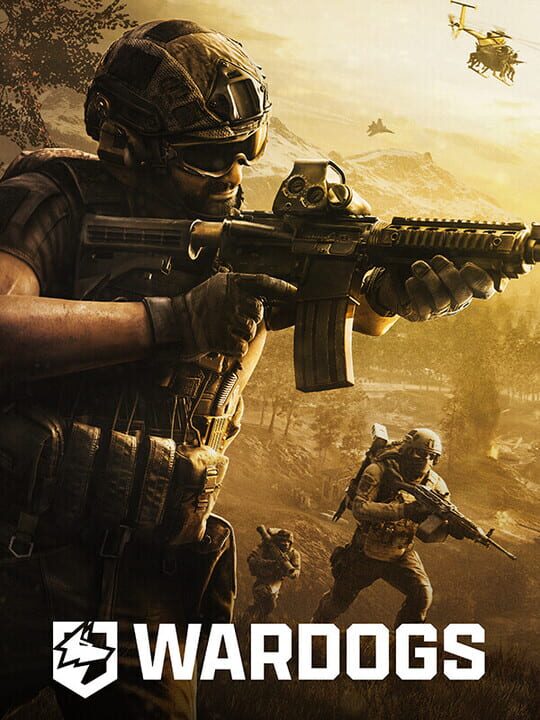
Wardogs
Wardogs is a first-person tactical multiplayer shooter built around large-scale combined-arms battles for up to 100 players. Three teams compete to control randomized objective zones across destructible battlefields, using infantry weapons, vehicles, logistics, fortifications, an
Developer
Bulkhead
Publisher
Team17


Tagged In
Discussion
0We want to hear from you. Share your perspective in the comments below, and please keep the conversation respectful.
Log in to join the discussion - vote, reply, and share your take.
Log In