The 7 best extraction shooters to play right now
These are the games that make a backpack full of scrap feel valuable enough to risk everything getting it home.
Extraction shooters turn ordinary loot into a source of panic. A roll of tape means nothing until it is the last item needed for an upgrade and another squad is moving between you and the exit. The genre lives in that uncomfortable gap between greed and common sense, where staying five minutes longer can transform a quiet raid into either a great story or a completely avoidable disaster.
This list focuses on active games built around entering hostile territory, gathering supplies and escaping with whatever survives the trip. Some are ruthless military simulations; others soften the punishment with clearer progression or stronger PvE. The best ones understand that extraction should feel like more than reaching a marker. It should feel like relief.
7. Arena Breakout: Infinite
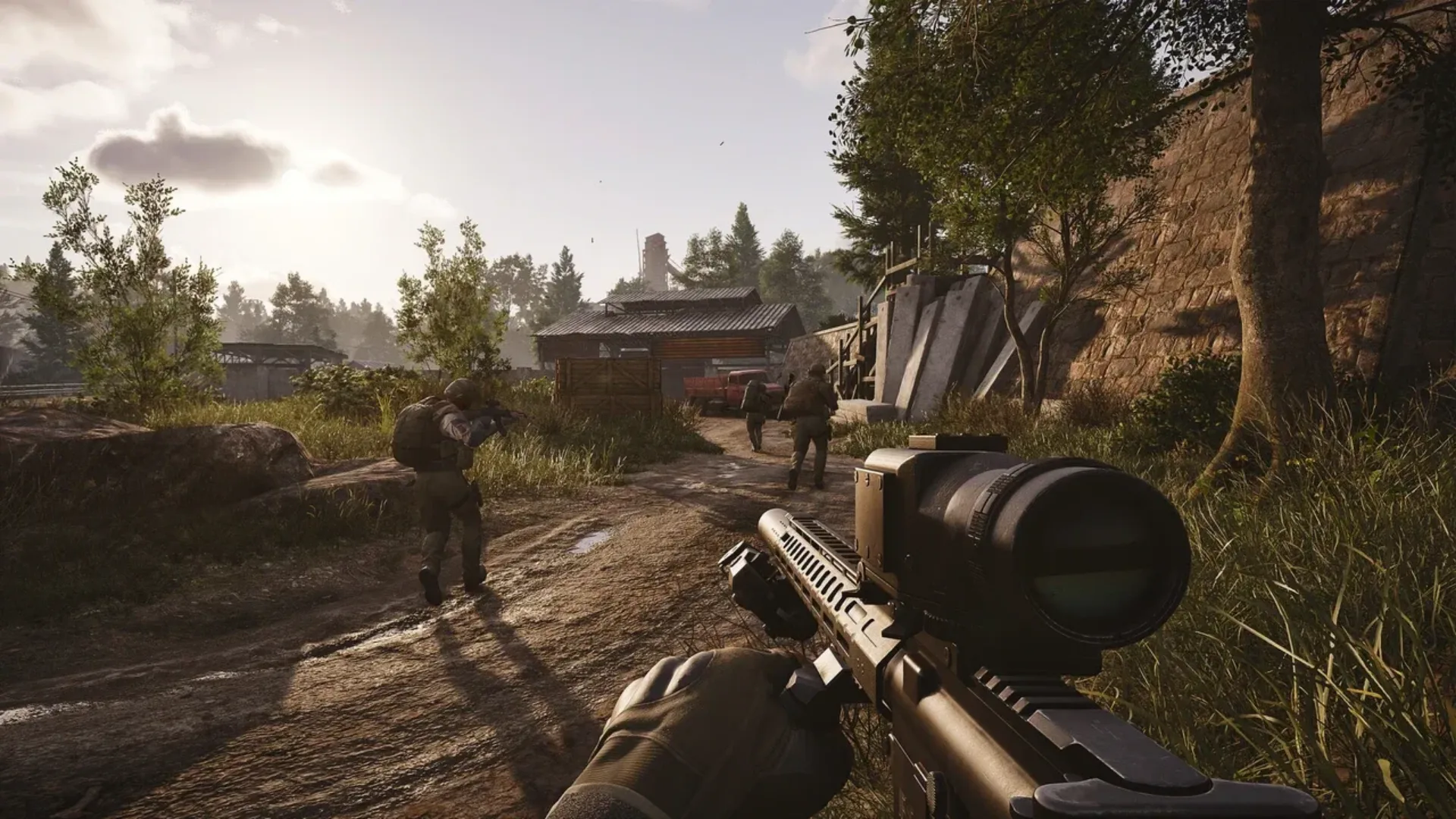
Arena Breakout: Infinite takes many of Escape from Tarkov's best ideas and presents them with fewer opportunities to become hopelessly confused. Its maps are easier to learn, the interface explains itself more clearly and the early hours do not require quite as many fan-made guides open on a second screen. Raids still carry real consequences, but getting started feels less like enrolling in a night class.
The gunplay is tense and deliberately unforgiving, with short fights that are often decided before the first player fully understands where the shots came from. That harshness works because preparation matters: ammunition, medical supplies and armour all demand attention before deployment, while the storage screen becomes its own puzzle once successful runs start filling every available slot.
Its monetisation remains difficult to ignore. Paid conveniences sit awkwardly inside a game where equipment and inventory space have genuine competitive value. Underneath that baggage is a smart, compact extraction shooter that gives players the Tarkov rhythm without demanding the same level of devotion.
6. Gray Zone Warfare
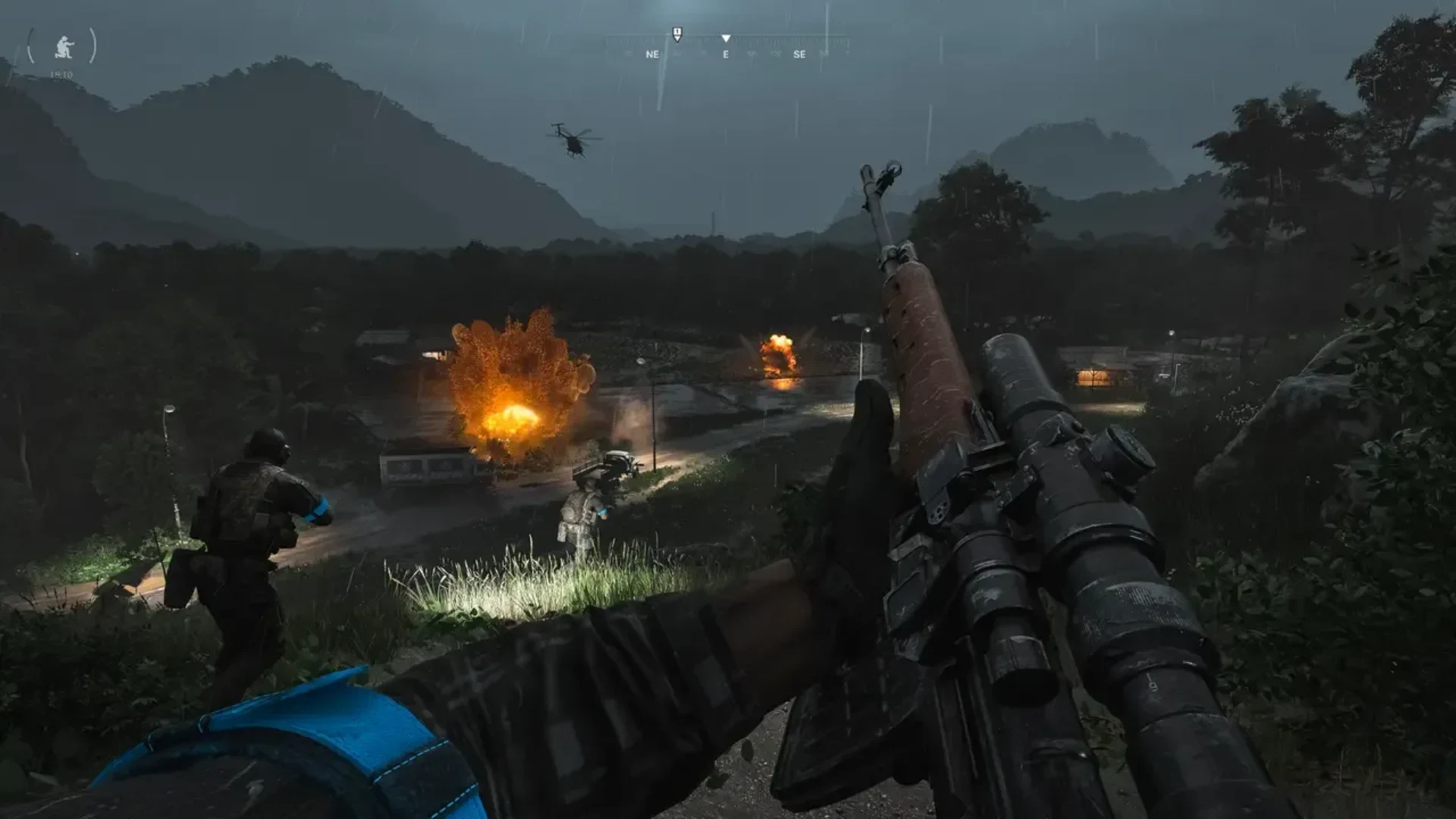
Most extraction shooters break the world into isolated matches. Gray Zone Warfare places rival factions onto one persistent tropical battlefield, then lets missions, firefights and helicopter journeys overlap in unpredictable ways. A routine supply run can drift into an urban shootout because another squad arrived first, while the long trip back to base makes every injury and dwindling magazine feel more serious.
The medical system is especially effective. Damage is treated as a physical problem rather than a shrinking health bar, so surviving a fight can leave a soldier bleeding, limping or barely conscious. Jungle sightlines and dense settlements give the shooting a slower, more cautious rhythm than most of the genre, rewarding teams that scout and communicate instead of sprinting toward every noise.
Its early-access launch was dragged down by performance problems and unreliable AI, but the 2026 Spearhead update reworked movement, missions, sound and several progression systems while bringing a large number of players back. It remains unfinished and occasionally awkward, though its open battlefield offers something the smaller raid maps elsewhere cannot.
5. The Forever Winter
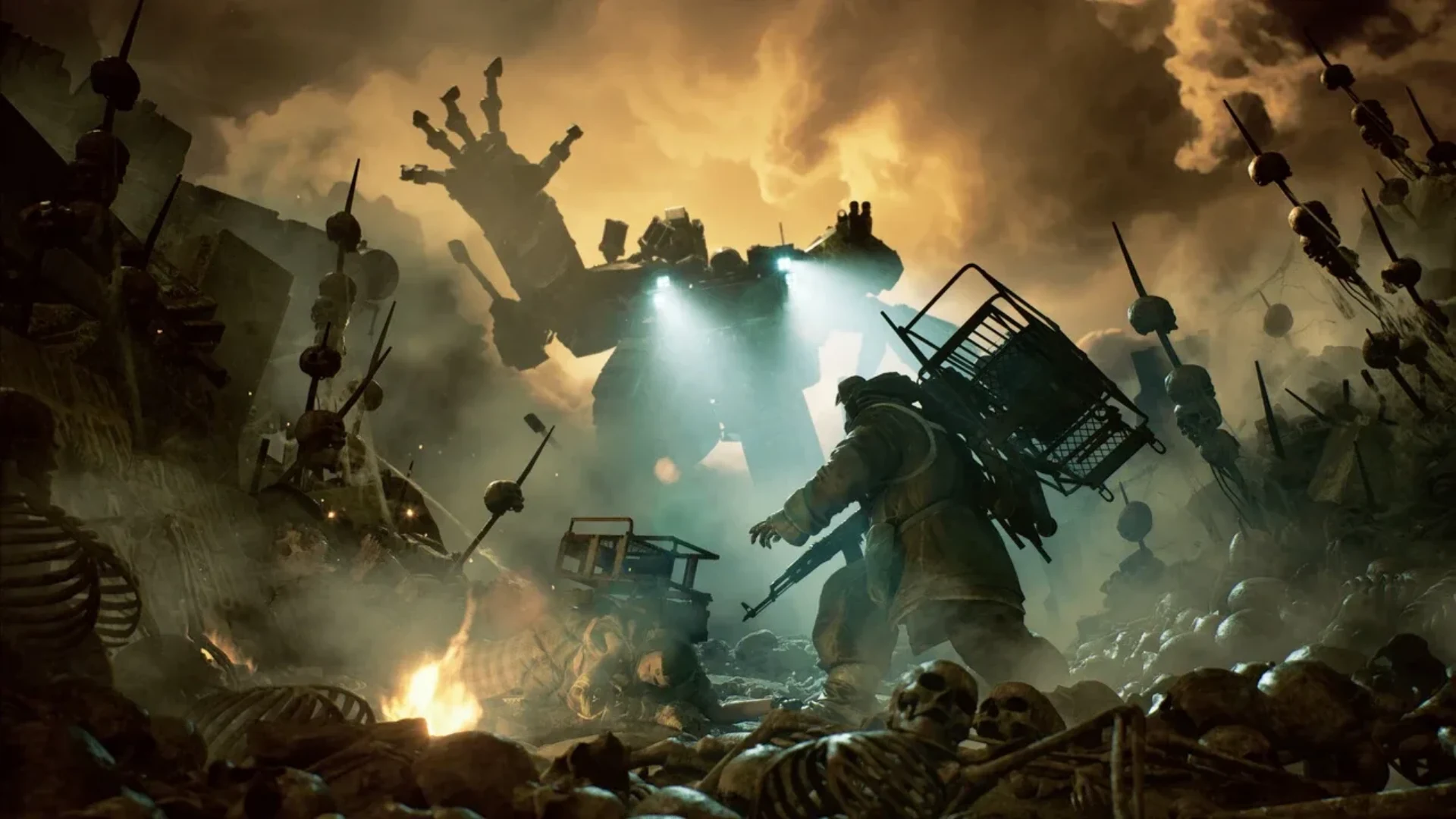
The Forever Winter does not cast the player as the most dangerous thing on the map. You are a scavenger crawling through a war fought by armies so large and technologically advanced that they barely register your existence. Building-sized machines stride over ruined cities, soldiers clash without waiting for you to arrive and whole battles can roll through an area while you hide underneath them looking for medicine.
That imbalance gives every run a survival-horror edge. Shooting is often the least intelligent option. It is usually better to move between wreckage, wait for larger factions to tear into each other and collect whatever remains once the violence shifts elsewhere. The world has a filthy mechanical grandeur to it, full of impossible war machines and landscapes that look as though the fighting ended civilization years ago but forgot to stop.
Early access still shows through inconsistent AI, rough gunplay and systems that continue to change between updates. None of that erases how unusual it feels to play an extraction shooter where power is something happening around you rather than something the game assumes you possess.
4. Marathon
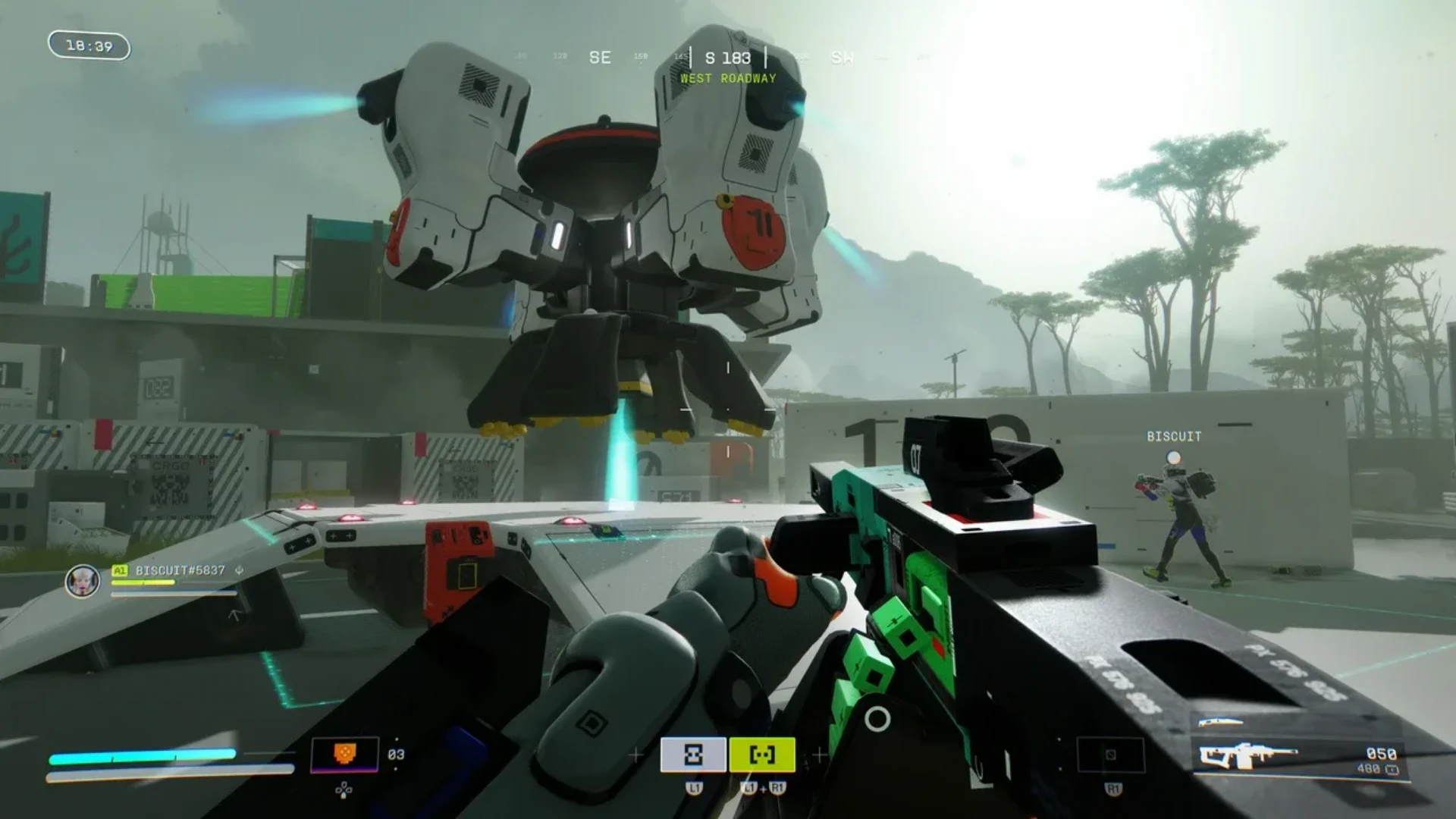
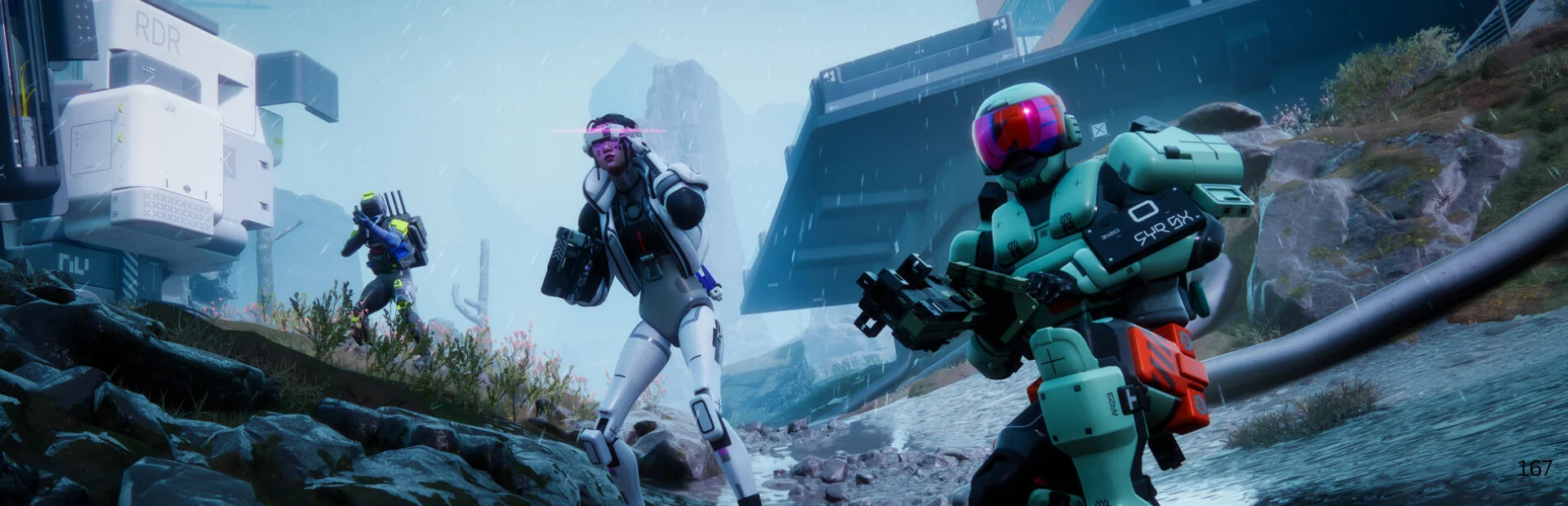
Bungie's return to Marathon trades the military grime associated with extraction shooters for neon equipment, synthetic bodies and a colony filled with corporate secrets. Its weapons carry the studio's familiar precision, but the better surprise is how smoothly that shooting fits a game built around caution. Battles are quick and aggressive, yet the knowledge that another team may be listening nearby keeps every burst of noise dangerous.
Runner shells give players defined abilities without turning encounters into ability spam. The classes influence movement, information gathering and survival, but accurate shooting and good positioning still settle most fights. Solo runs can become especially tense, encouraging players to move through Tau Ceti like a stealth game until somebody blocks the clean route home.
The wider game has struggled to retain its launch crowd, and Bungie is still experimenting with modes and progression. What remains is a striking, mechanically polished shooter with unusually dense environmental storytelling. It asks players to learn its strange visual language instead of immediately translating every mystery into another quest marker.
3. Escape from Tarkov
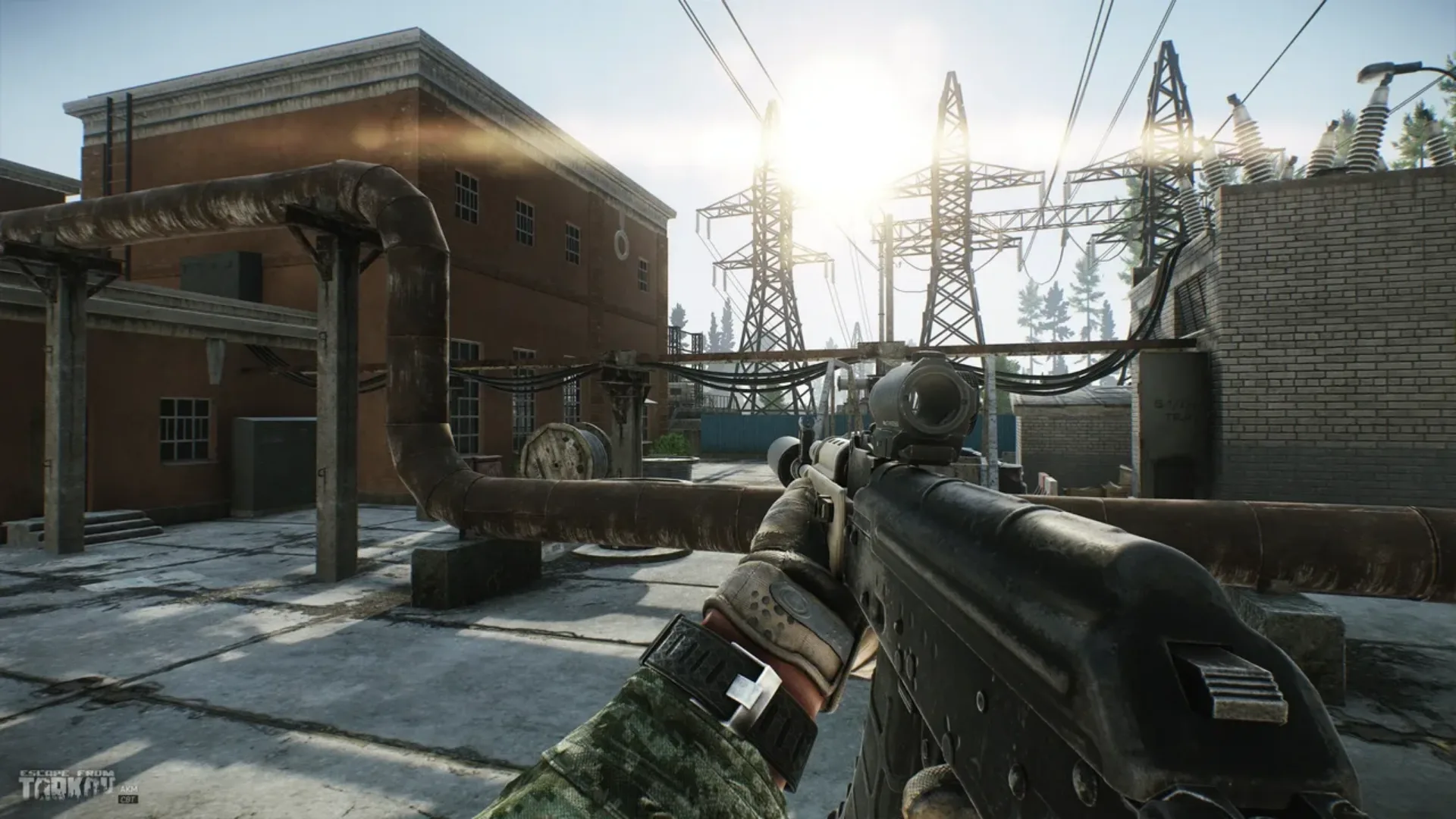
Every extraction shooter owes something to Escape from Tarkov, but few have copied the parts that make it so consuming. A raid begins long before the loading screen. Weapons need to be prepared, magazines packed, injuries treated and storage space cleared for loot that may never make it home. Even deciding how much equipment to risk becomes part of the game.
Inside the raid, Tarkov turns knowledge into power. Learning where players spawn, which buildings contain valuable supplies and how sound travels through a location matters as much as raw aim. Its detailed ballistics and injury systems make firefights brutally short, while the lack of conventional navigation keeps even familiar maps feeling hostile. Escaping with one important quest item can be more satisfying than winning an entire match elsewhere.
Version 1.0 added a more structured entry point and several concessions for new players, although the game remains demanding, opaque and technically temperamental. Tarkov asks for more time than any other title here and wastes a fair amount of it, but no rival has matched the weight it gives to preparation, loss and a successful extraction.


2. Hunt: Showdown 1896
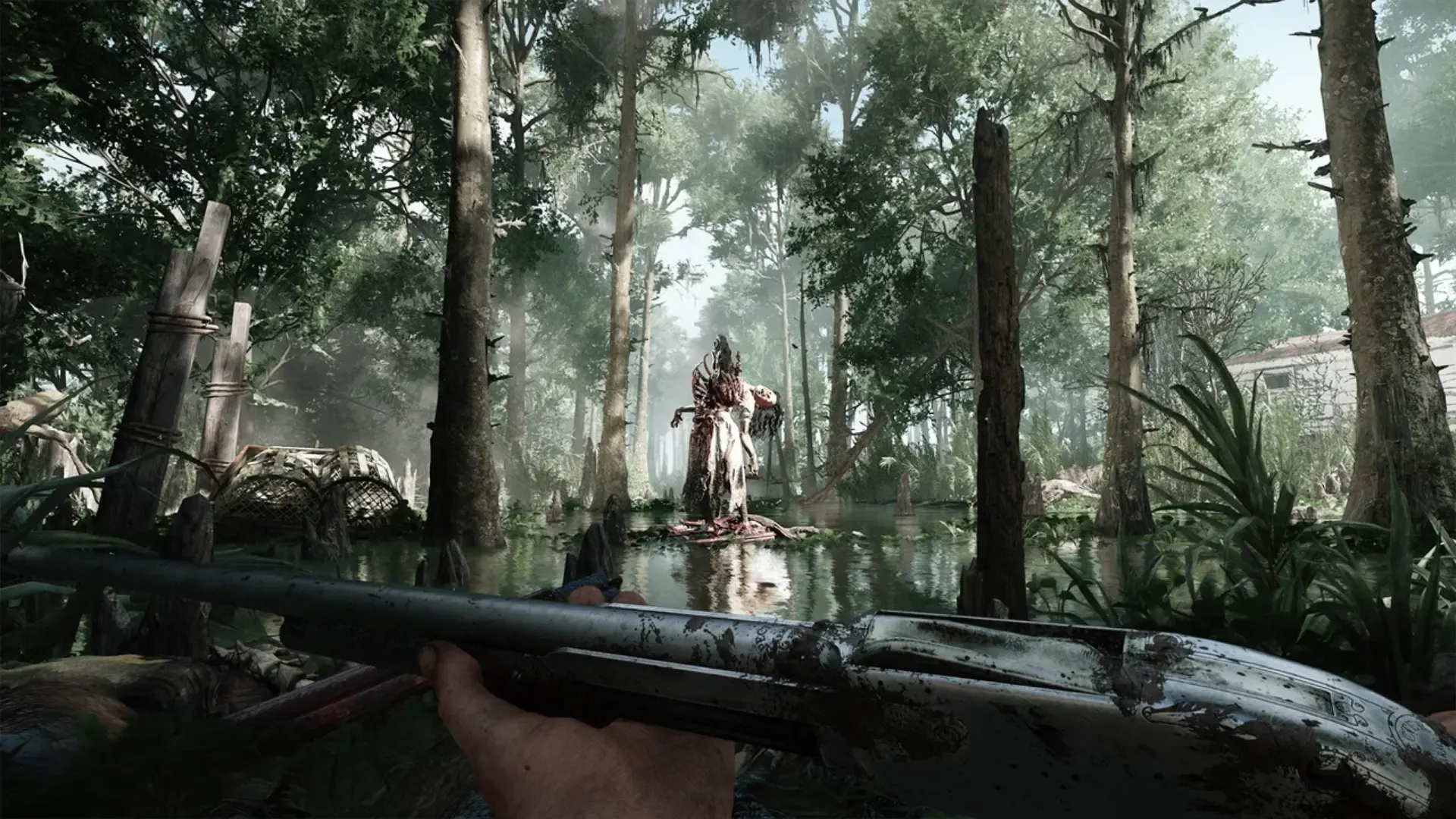
A match of Hunt: Showdown 1896 can be frightening before another player even appears. The swamps, mines and mountain settlements are filled with creatures that reveal careless movement, forcing hunters to decide whether each obstacle should be killed, avoided or used to expose somebody nearby. Sound is not background detail here. It is a map of everyone's mistakes.
The old weapons give firefights a completely different cadence from modern military shooters. Missed shots matter because many firearms take time to recover, and a single well-placed round can end a hunter who has survived several encounters. Tracking and killing a boss is only the first half of the job; claiming its bounty marks the team for every rival still waiting outside.
The 1896 overhaul expanded the game with a new engine and a broader set of environments, though its interface and occasional technical problems remain unnecessarily hostile. Once a hunt begins, few multiplayer shooters create this much tension from footsteps, distant gunfire and one flock of birds taking off at the wrong moment.
Hunt: Showdown 1896
Hunt the corrupted in backwaters lost to history. Fight back against a timeless evil that pits you against twisted monsters and other desperate Hunters – solo or in a group – in a high-stakes, tactical, PvPvE, first person shooter. There are no heroes here. Risk everything as Hun
Released
August 27, 2019
Developer
Crytek Frankfurt
Publisher
Crytek
1. ARC Raiders
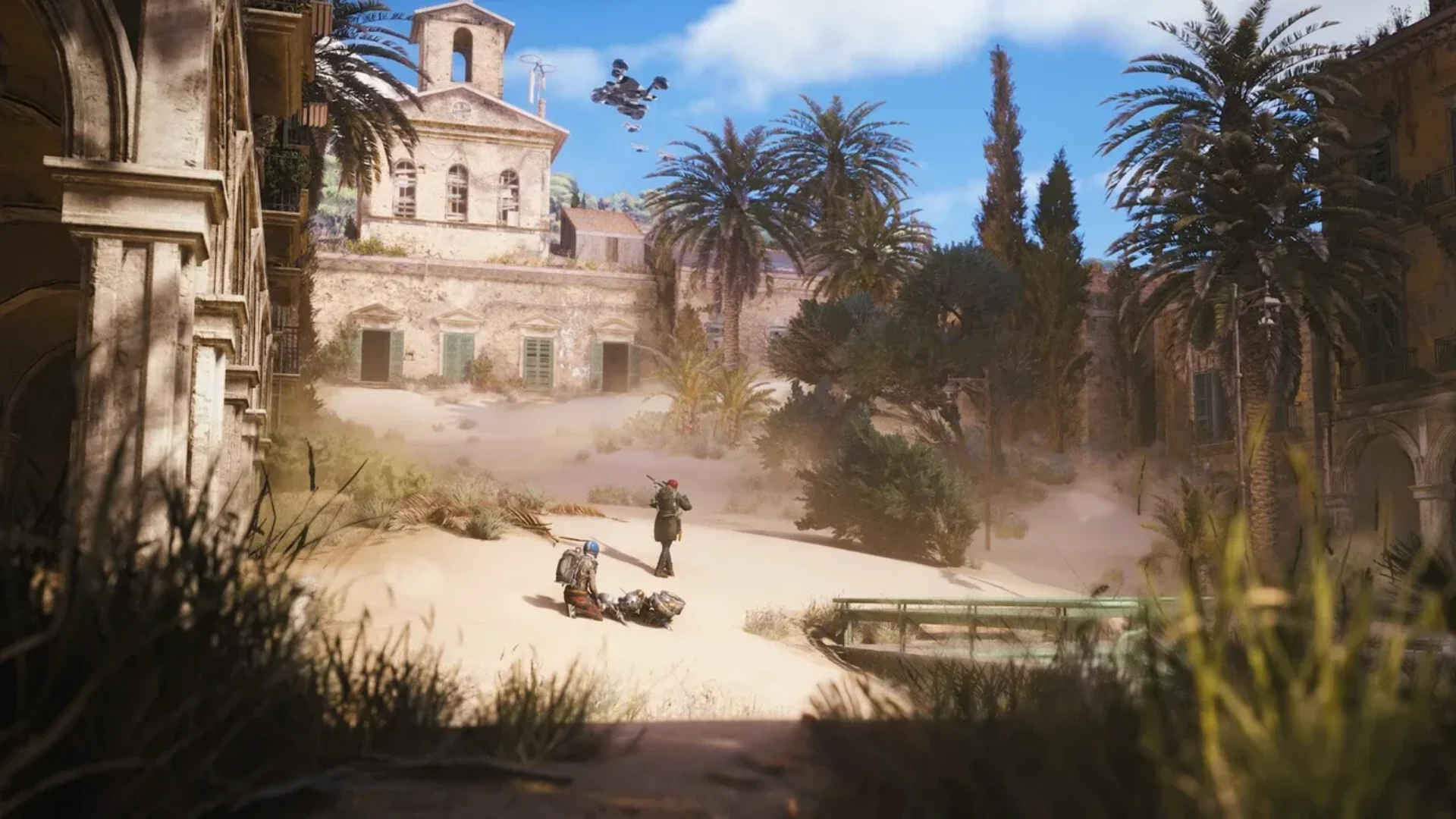
ARC Raiders makes extraction feel adventurous rather than exhausting. Its ruined surface is dangerous, but it is also inviting enough to explore. Rusted industrial sites, flooded lowlands and buried cities are filled with materials worth collecting, while roaming machines turn even an apparently empty area into a place where the sky needs to be watched.
Those machines are more than disposable PvE targets. Small units can expose a team's position, larger ones can reshape an entire encounter and the biggest ARC threats encourage strangers to cooperate before deciding whether that temporary friendship survives the walk to extraction. Proximity chat adds another layer of uncertainty, allowing raids to produce negotiations, betrayals and brief moments of generosity that no scripted mission could repeat.
The third-person shooting is responsive without making every raider feel overly powerful, and free loadouts reduce the sting of a bad losing streak. Crafting, skill progression and the underground hub give failed runs enough value to keep frustration from becoming the main event. Its resets and long-term progression still need refinement, but ARC Raiders has found the version of extraction shooting that is easiest to recommend: tense without being joyless, approachable without removing the risk, and full of places that are worth visiting even when the backpack comes home nearly empty.
ARC Raiders is a multiplayer extraction adventure, set in a lethal future earth, ravaged by a mysterious mechanized threat known as ARC. Enlist as a Raider and scavenge the surface to thrive in a desolate world. But beware of the machines. Beware of Raiders preying on others. AR
Released
October 30, 2025
Developer
Embark Studios
Publisher
Embark Studios
Tagged In
Discussion
0We want to hear from you. Share your perspective in the comments below, and please keep the conversation respectful.
Log in to join the discussion - vote, reply, and share your take.
Log In