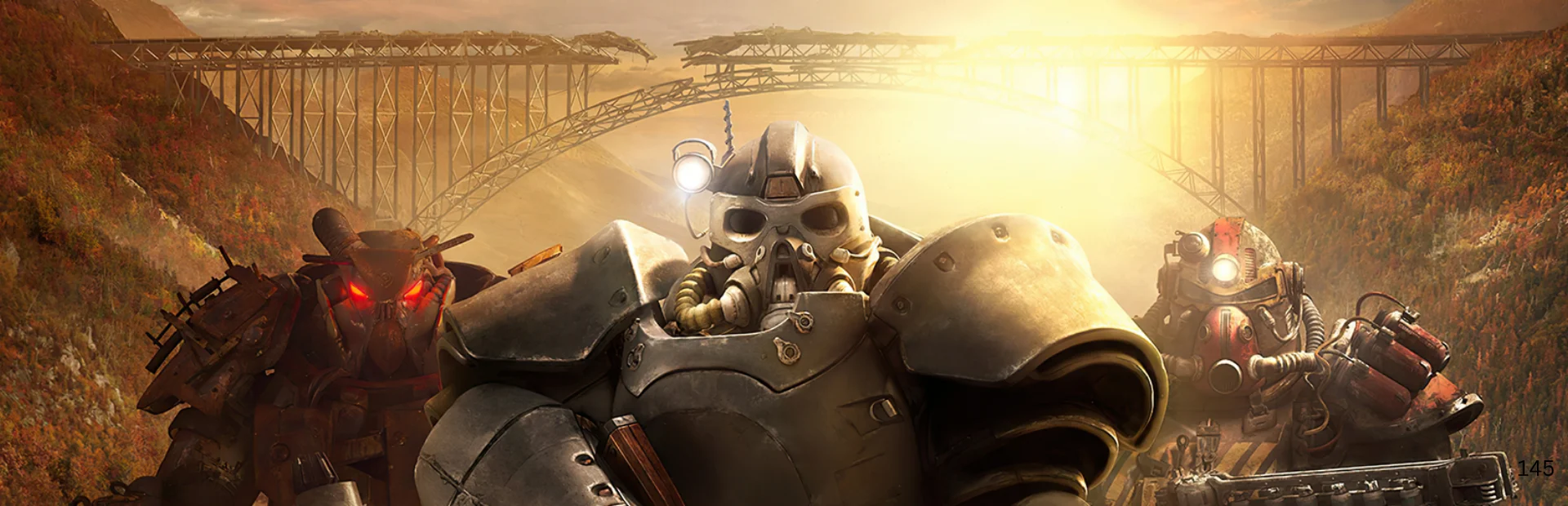
Credit: Bethesda Game Studios
newsBreakingfallout-76
Fallout 76 fans should not expect another big trip beyond Appalachia soon
June 15, 2026·Updated August 31, 2026·4 min read
Fallout 76 players should not expect another big Expedition location soon as Bethesda focuses on Appalachia instead.
There was a fun promise behind Expeditions in Fallout 76. Appalachia was still the place players logged into every night, but the vertibird made the world feel wider. The Pitt brought back an old scar from Fallout 3. Atlantic City gave the game a louder, stranger corner to visit. For a live-service Fallout, that felt like the door opening.
Developers have said there are no current plans for more out-of-map Expeditions in Fallout 76, with the team’s attention shifting toward in-map expansions and improving content players already have.
Bethesda is moving away from new Expedition locations
The answer will sting for players who liked the idea of Fallout 76 using Expeditions to tour more of post-war America. The mode was never a full sequel-sized expansion, but it gave the game something valuable: a reason to leave the usual roads, camps, and event routes behind for a while.
They changed the scenery, gave players new mission spaces, and made Fallout 76 feel connected to a larger wasteland beyond West Virginia. The problem is that a new location only works if players keep wanting to return after the first few runs.
If Expeditions become something players clear, farm briefly, then ignore, another destination does not solve the bigger issue. It only adds one more place at risk of becoming quiet later.

Appalachia is getting the attention instead
The studio’s current direction makes more sense when you look at how recent updates are being built. Fallout 76: Infestations does not send players somewhere far away. It makes familiar parts of Appalachia more dangerous by letting enemy groups take over locations and turning those areas into active fights.
Instead of pulling players into a separate mission space, it tries to make the shared map feel busier. Someone wandering nearby can notice the trouble, join the fight, and walk away with a reason to care about a place they may have passed a hundred times.
For an online RPG that depends on people returning every week, that approach has a clear advantage. A stronger Appalachia helps new players, builders, event groups, high-level grinders, and anyone who treats the map itself as the main character.
Expedition fans still lose something important
A ruined city, a broken casino, a bunker full of bad decisions, or a factory hiding something awful can do more for the mood than any reward screen.
Even when the mode had rough edges, the idea of flying out to another ruined location had a strong pull. It let Fallout 76 feel less boxed in, and it gave longtime fans room to imagine what other cities Bethesda could bring into the game.
That is why this news lands harder than a normal roadmap change. Players are not just losing another activity type. They are losing the hope that Expeditions would become Fallout 76’s regular way of exploring the wider wasteland.
The old Expeditions need a better reason to survive
Bethesda does not have to abandon The Pitt or Atlantic City for the shift to work. Those locations can still matter if the studio gives them sharper rewards, fresher objectives, better rotation incentives, or stronger ties to the rest of the endgame.
The worst outcome would be leaving Expeditions as side content people remember more fondly than they actually play. The better outcome is turning them into leaner, more rewarding runs that have a real place beside events, raids, bounties, and whatever comes next for Appalachia.
For now, players hoping for another vertibird trip should keep expectations low. Fallout 76 is still growing, but Bethesda’s next challenge is making the wasteland at home feel busy enough that staying in Appalachia does not feel like a consolation prize.

Fallout 76 is an online action role-playing game and the first multiplayer entry in the Fallout series. Set in 2102 in Appalachia, West Virginia, players control a resident of Vault 76 who ventures into the open world 25 years after a nuclear war. The game features exploration, q
rpg
Released
November 14, 2018
Developer
Bethesda Game Studios
Publisher
Bethesda Softworks
Systems


Tagged In
Fallout 76BethesdaExpeditions
Discussion
0We want to hear from you. Share your perspective in the comments below, and please keep the conversation respectful.
Log in to join the discussion - vote, reply, and share your take.
Log In