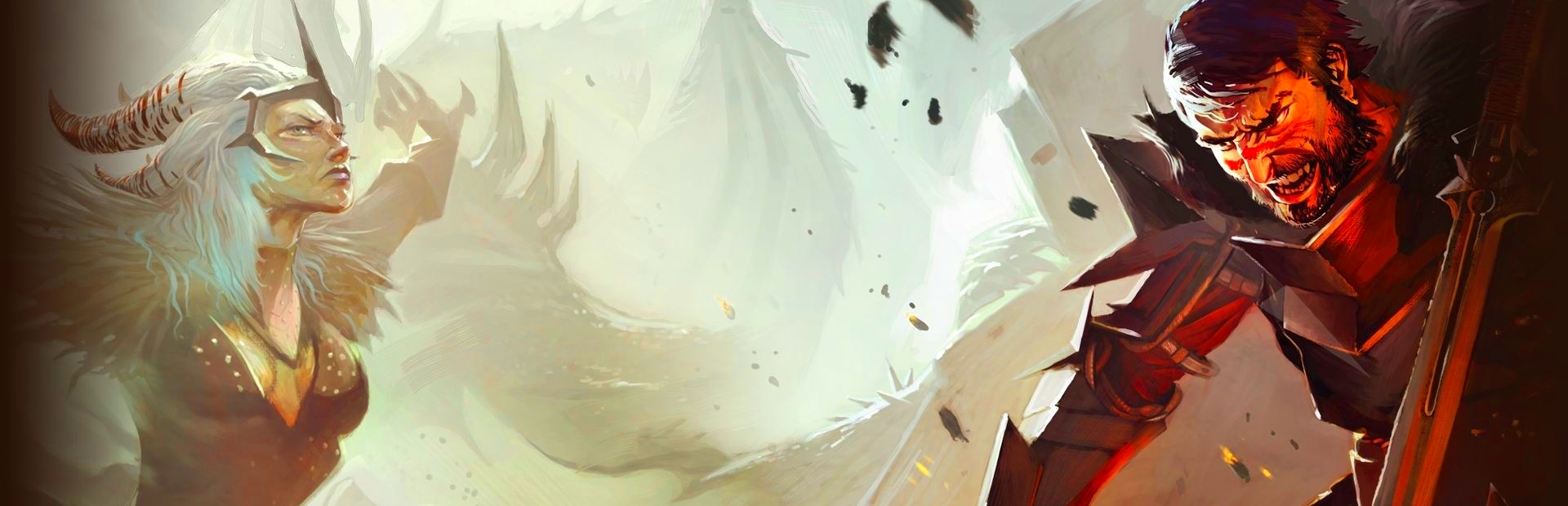
Credit: BioWare
reviewReviewdragon-age-ii
Dragon Age II still works best when I stop wishing it was Dragon Age Origins
June 8, 2026·Updated September 15, 2026·8 min read
BioWare’s rushed sequel is smaller, stranger, and rougher than it should be, but its messy decade in Kirkwall still has a pull that the series has rarely matched.
Dragon Age II is the easiest game in the series to pick apart. It reuses locations until caves and warehouses start to feel like bad jokes. Its combat chases speed at the cost of patience. Its city never feels as large as the story wants it to be. It is clearly a sequel made under pressure, and almost every hour carries some sign of that.
I still find it hard to dismiss. Not because it secretly avoids those problems, but because its best ideas survive them. Dragon Age II is at its strongest when it stops trying to be a grand fantasy journey and becomes a long, bitter story about one person being trapped in a city that keeps getting worse.
Kirkwall works better as a trap than a world
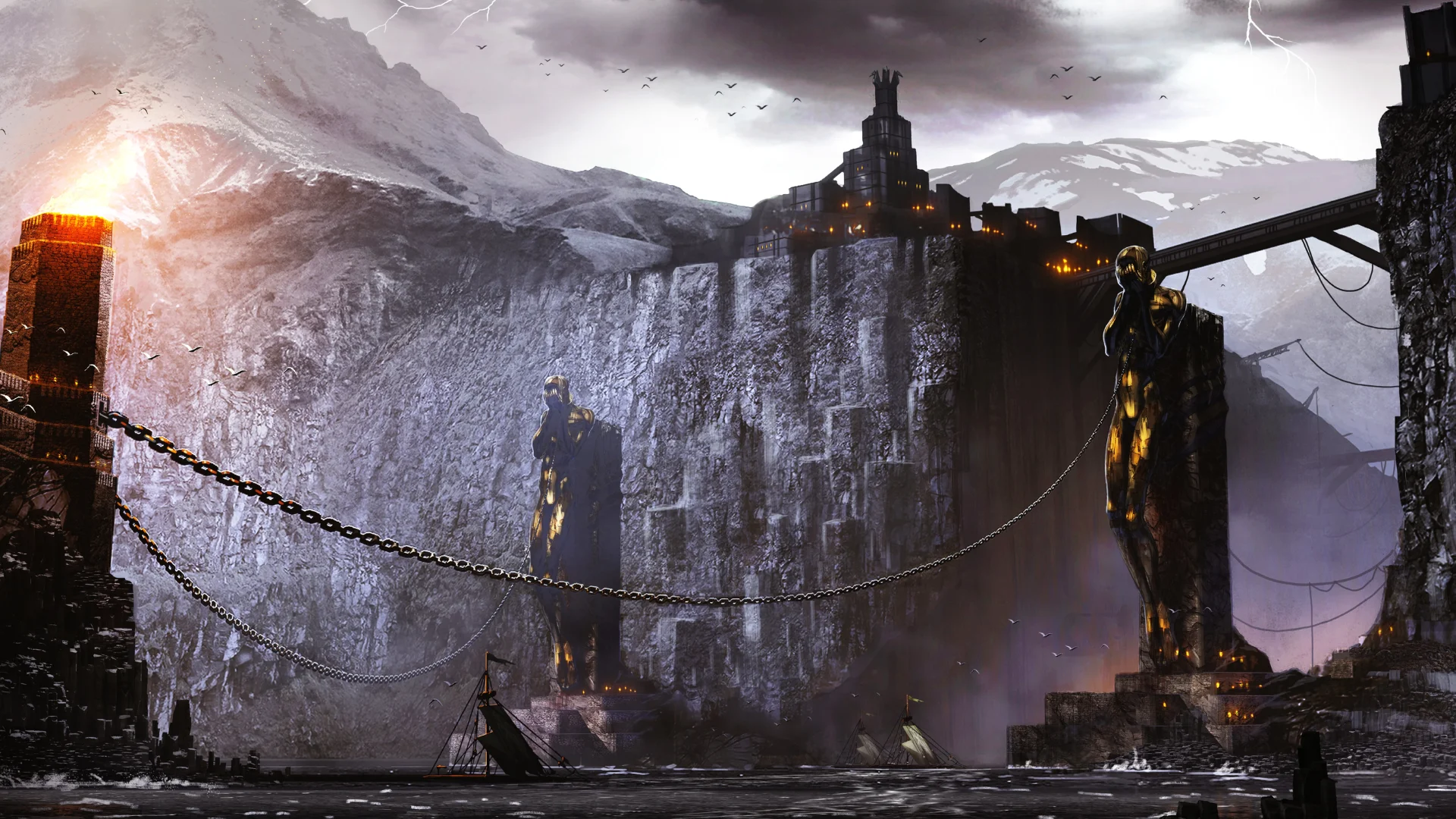
Most fantasy RPGs send me across maps, kingdoms, and ruins. Dragon Age II does the opposite. Hawke arrives in Kirkwall as a refugee, and the game spends years watching that city change around them. On paper, that is one of BioWare’s stronger ideas for Dragon Age. Instead of saving the world from an obvious ancient threat, I am watching pressure build inside one city until everyone starts running out of room.
The problem is that the game cannot always sell the scale of that idea. Kirkwall is meant to feel dense, dangerous, and alive, but I kept returning to the same streets, the same caves, and the same interiors with the same corners blocked off in slightly different ways. After a while, the reuse becomes impossible to ignore. What saves it is the passage of time. People change. Friendships harden. Old arguments come back with worse consequences. I did not always believe in Kirkwall as a physical place, but I believed in it as a pressure cooker. The game’s changing reputation also makes it a valuable case study for deeper gaming features about design, development pressure, and player expectations.
Hawke gives the story a stronger spine than I expected
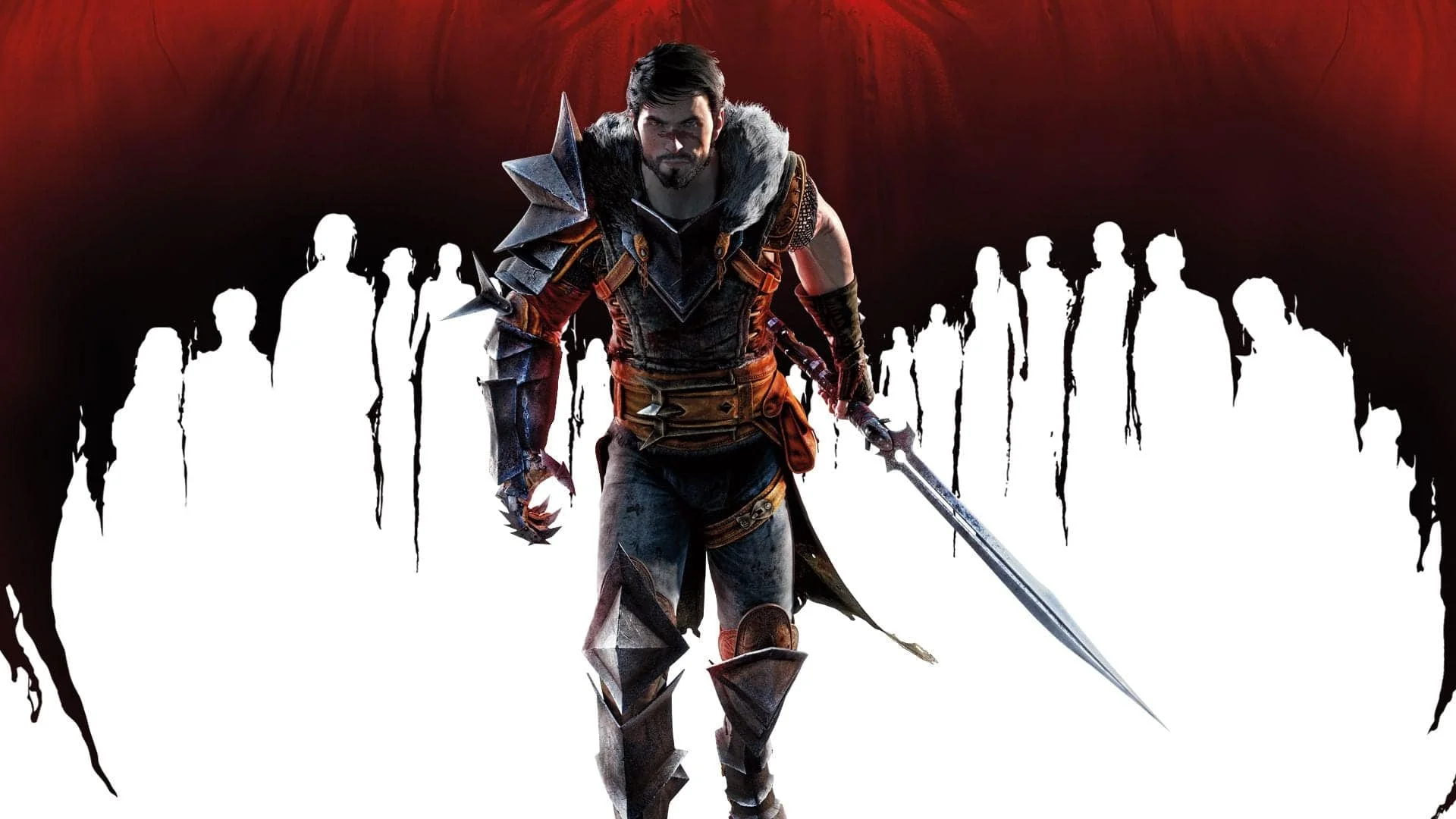
Dragon Age II takes away some of the role-playing freedom that made Origins so rich. Hawke is always human. Hawke always has a family. Hawke always arrives in Kirkwall the same way. That can feel like a step down if what you want from Dragon Age is a wide-open identity and a slow build from nothing.
I missed that freedom at first. Then I started to see what the game gets in return. Hawke has a clearer place in the story than the Warden did. Their family history, social climb, and personal losses make the central drama feel closer to home. The game is not just asking what kind of hero I want to be. It is asking how much of myself I can keep while Kirkwall keeps taking things away.
A sarcastic Hawke also gives the game a tired, defensive humor that fits the setting well. A harsher Hawke makes Kirkwall feel like a city that has trained them to stop asking nicely. A kinder Hawke can feel almost doomed, because the game keeps testing whether decency is enough. Hawke is not the most flexible protagonist in the series, but they are one of its most readable.
The companions carry the game through its roughest hours
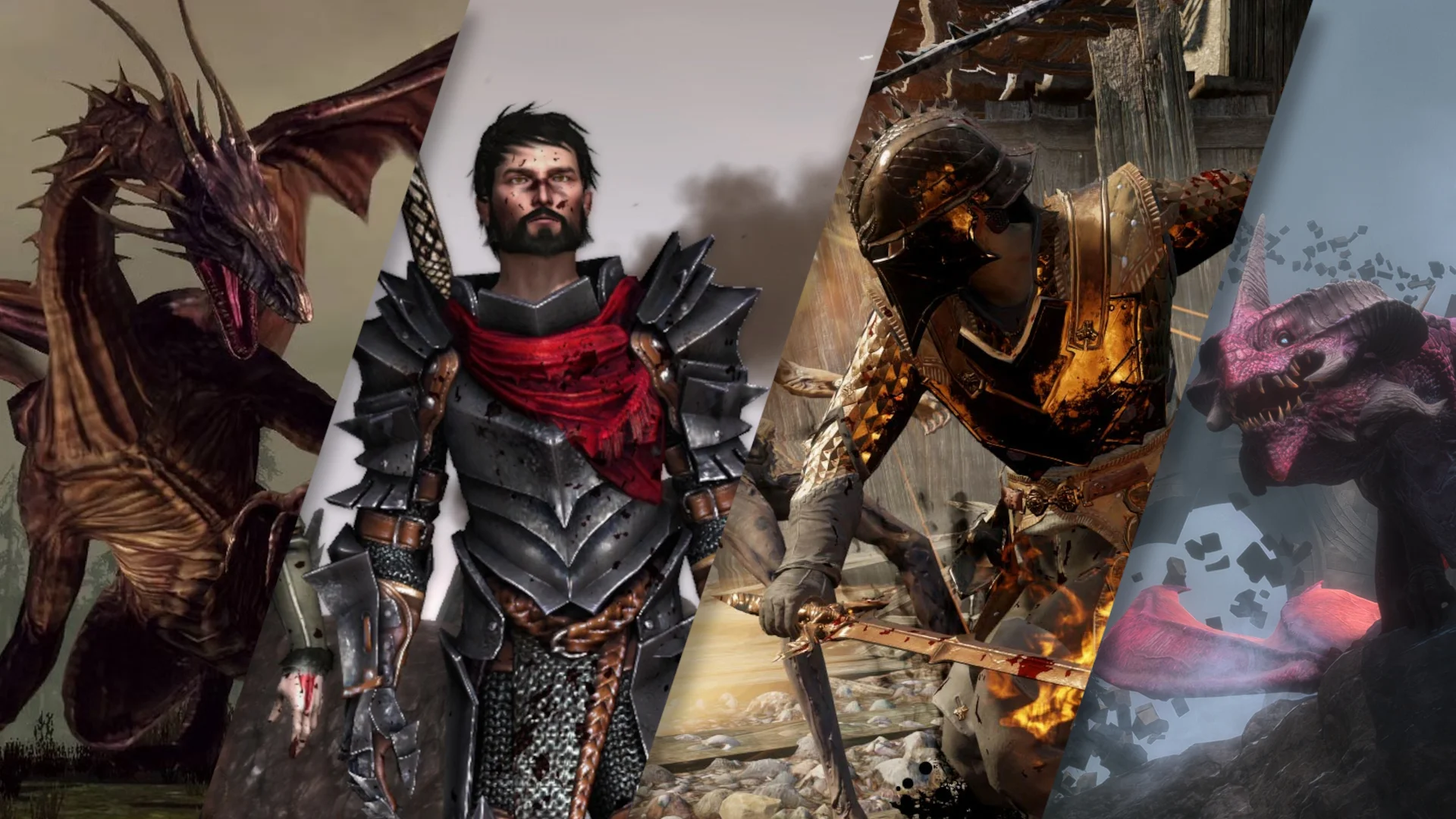
The companions are the main reason Dragon Age II still has a hold on me. Varric, Aveline, Merrill, Isabela, Anders, Fenris, Bethany, and Carver all bring their own problems into Kirkwall, and the game is at its best when those problems do not sit neatly outside the main story. They argue, make mistakes, hold grudges, and sometimes force me to sit with choices I did not enjoy making.
Varric is the easy standout because he gives the game its voice. His framing of Hawke’s story makes the whole thing feel like a tale already half-mythologized and half-regretted. The rest of the cast works because they are not just standing around waiting to approve or disapprove of me. Merrill’s choices can be frustrating, but they come from a place the game takes seriously. Fenris brings anger that feels earned rather than decorative. Aveline grounds the story with duty and exhaustion.
The friend-and-rival system also gives those relationships more room than a simple approval meter. I liked that disagreement did not always mean failure. Rivalry can still create a bond, which makes more sense for this cast than a clean friendship bar. These are not people who agree on what Kirkwall needs. Sometimes they barely agree on what Hawke should do next. That tension gives the party life.
Combat has energy, but the fights often feel staged
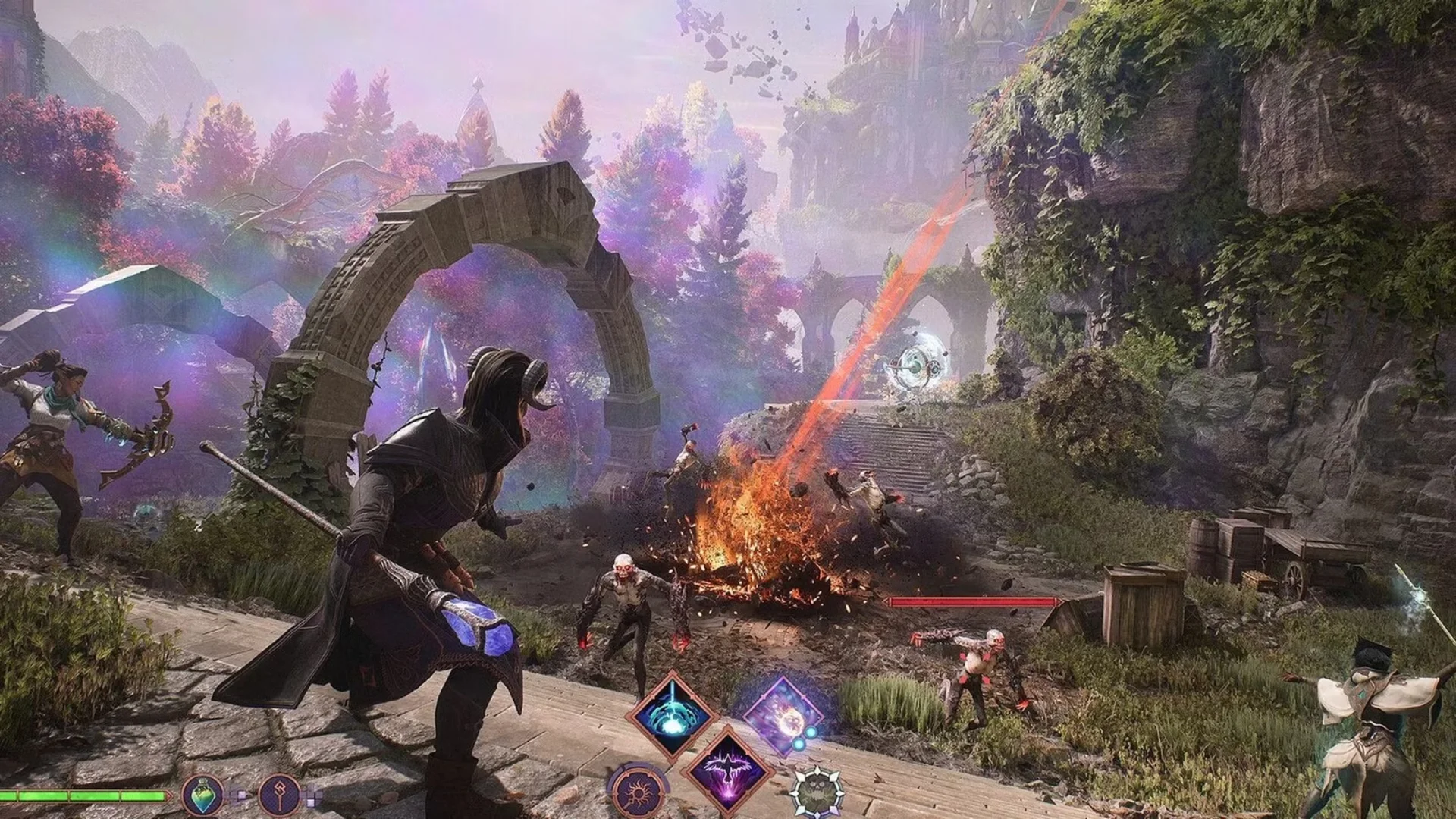
Dragon Age II clearly wants combat to feel more immediate than Origins. Attacks snap out quickly. Abilities hit with more force. Rogues dart around the battlefield. Warriors feel heavier. Mages throw out spells with a flashier sense of impact. On a basic level, it is easier to watch and quicker to understand.
I enjoyed that energy for a while. There is a nice rhythm to setting up abilities, switching party members, and watching enemies drop fast when a plan comes together. On higher difficulty, positioning and party composition still matter enough to keep me awake. I had to pay attention to who was drawing pressure, who needed healing, and which enemies had to be burned down first.
The issue is how often fights feel staged rather than discovered. Enemies arrive in waves, sometimes dropping in so obviously that the battlefield starts to feel like a spawn room. Instead of planning around a believable encounter, I often felt like I was waiting for the next batch of bodies to appear. Speed helped Dragon Age II feel distinct, but it also pushed the game away from some of the slower thinking that made Origins satisfying.
The repetition keeps breaking the spell
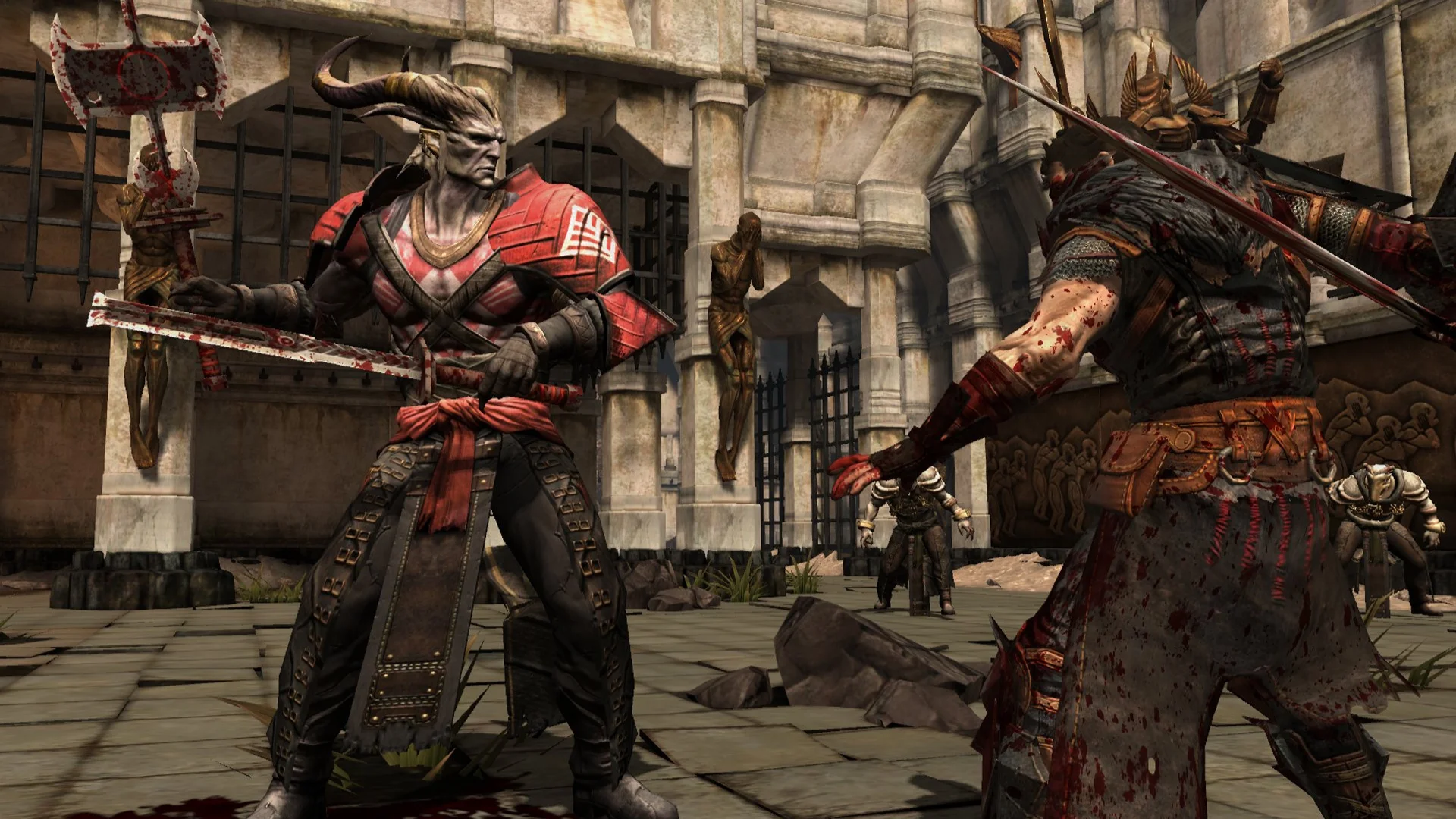
There is no way around the repetition. Dragon Age II reuses environments so often that it becomes part of the experience whether I want it to or not. A cave is not just similar to another cave. It is often the same cave with a different path blocked. A warehouse is not just another warehouse. It feels like the same room wearing a new quest marker.
This matters because the writing keeps asking for emotional investment. A personal rescue, a criminal deal, a dangerous expedition, a political investigation, and a companion crisis should not all feel like they are happening in the same handful of spaces. When they do, the drama loses some of its shape. I stopped wondering what was around the corner because I had already seen the corner.
Still, I never felt the repetition erased what I liked. It just kept reminding me of the game Dragon Age II might have been with more time. Its flaws are not hidden. They are right there in front of me, hour after hour. Yet the characters, setting, and long-term story kept pulling me through those same corridors anyway. That tension between ambition and execution is also what makes the game such an interesting subject for retrospective reviews.
The ending works because the whole city has been heading there
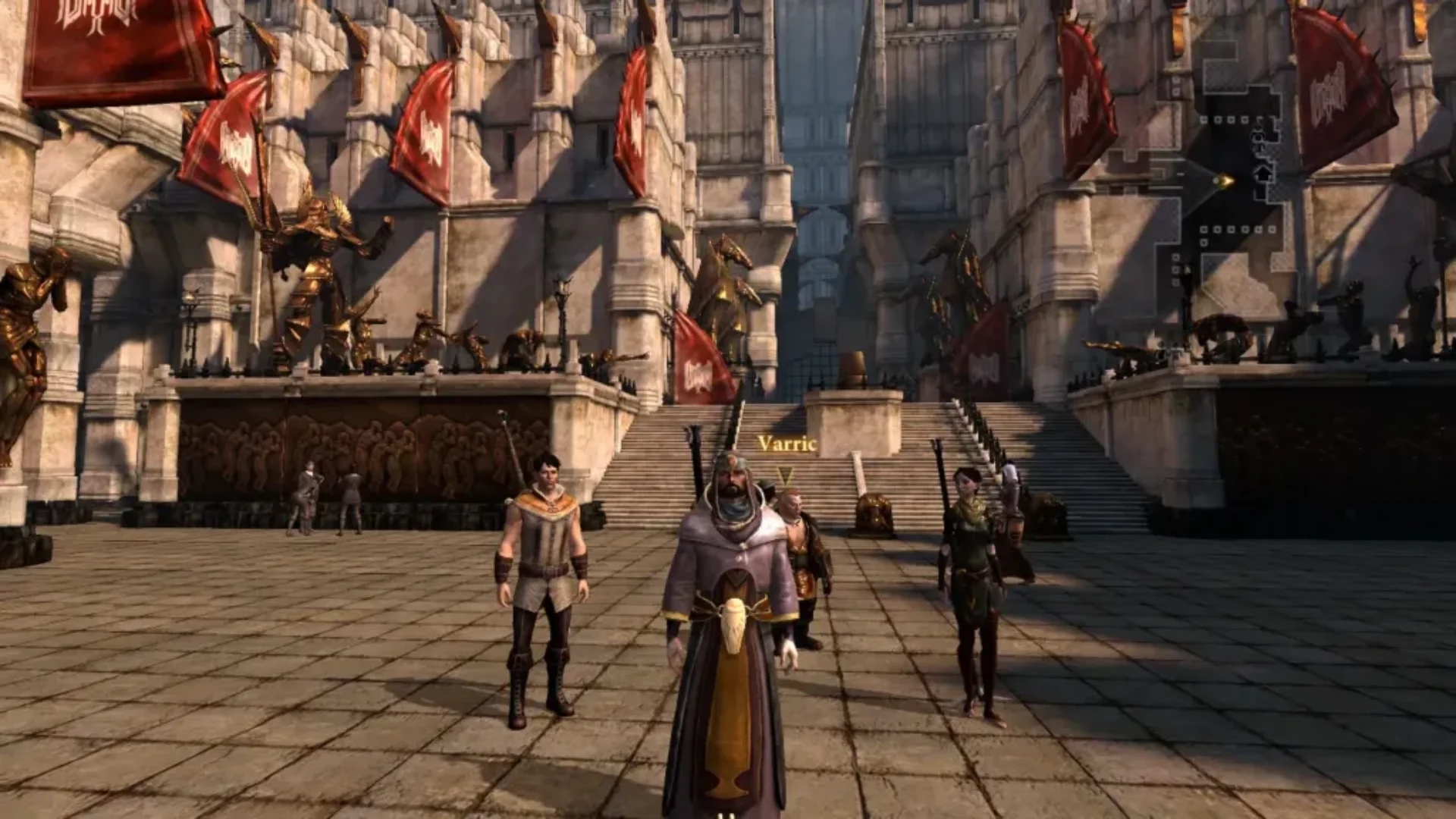
Dragon Age II’s final stretch lands because it does not come out of nowhere. The game spends years showing Kirkwall as a place where every faction feels cornered. Mages, templars, nobles, criminals, refugees, and ordinary citizens all live inside a system that keeps tightening. By the time everything breaks, it feels less like a twist and more like the bill finally arriving.
That is where the game’s smaller focus pays off. I cared because I had been living with these arguments for hours. I had heard the fear, the anger, the self-righteousness, and the excuses. I had watched people I liked become harder to defend. I had made choices that did not fix enough. Dragon Age II understands that tragedy works better when it feels preventable in small ways and unavoidable in large ones.
Dragon Age II is not the best Dragon Age game, and I would not tell someone to start the series here. It is too compromised, too repetitive, and too visibly rushed for that. But it is also not the failure it is often cited as. I would recommend it to players who care more about companions, political tension, and messy character drama than wide exploration. Anyone coming for the depth and scale of Origins may bounce off it hard.
Even now, I think its strengths outweigh its flaws, but only if you can accept the game it actually is: a rough, cramped, fascinating RPG that turns its limitations into part of its identity more often than it should be able to.
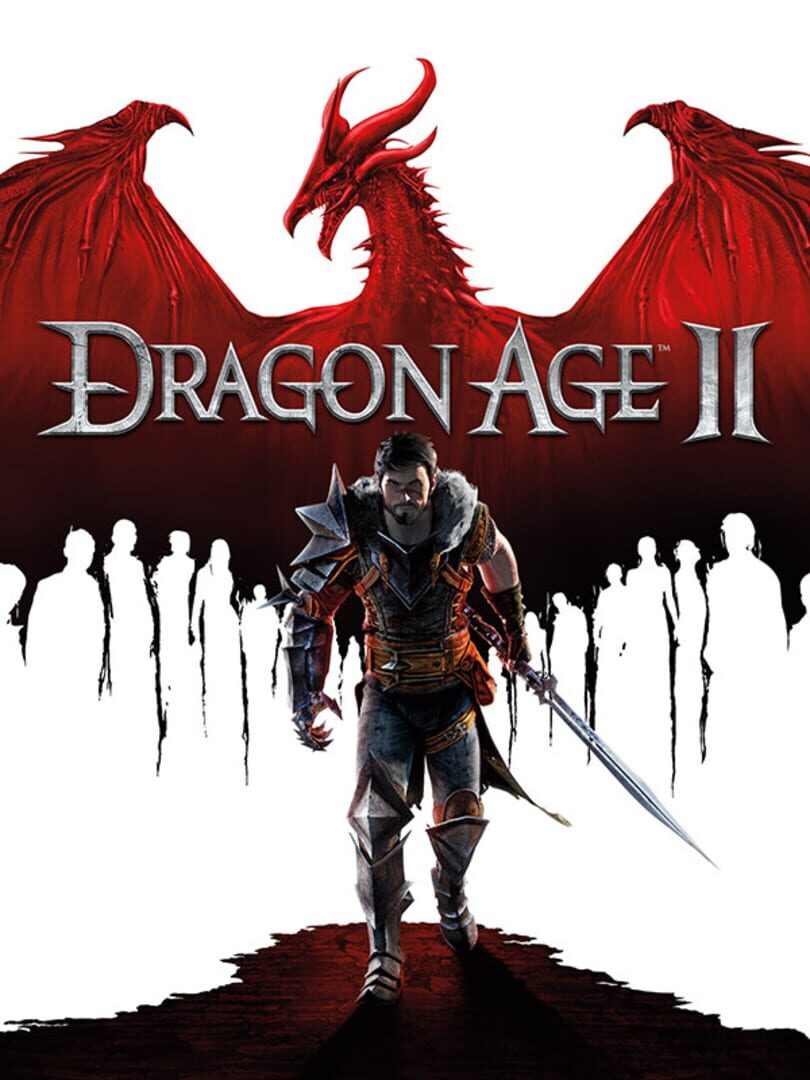
Dragon Age II is the sequel to Dragon Age: Origins and the second major game in the series. Like its predecessor, players can explore and engage in combat from a third-person perspective and will also encounter various companions who play major roles in the plot and gameplay. Dep
Released
March 8, 2011
Developer
BioWare Edmonton
Publisher
Electronic Arts


Tagged In
ReviewRatingDragon Age Ii
Discussion
0We want to hear from you. Share your perspective in the comments below, and please keep the conversation respectful.
Log in to join the discussion - vote, reply, and share your take.
Log In