
Credit: Funcom
reviewdune-awakening
Dune: Awakening makes Arrakis feel worth surviving
June 4, 2026·Updated September 10, 2026·7 min read
Dune: Awakening understands the most important thing about Arrakis: the planet should not feel like a backdrop. It should feel like the main threat. Before the politics, before the spice, before the vehicles and bases and late-game systems, this is a survival game about trying not to die in a desert that does not care how important I think I am.
That is where the game is strongest. The early hours have a harsh, focused clarity. I am watching hydration, looking for shade, scavenging scraps, avoiding the open sand, and slowly turning fear into routine. Dune: Awakening becomes messier once its survival loop expands into MMO-like systems, crafting chains, PvP pressure, and long-term progression, but its best moments make Arrakis feel hostile, beautiful, and worth learning.
Arrakis is the real star
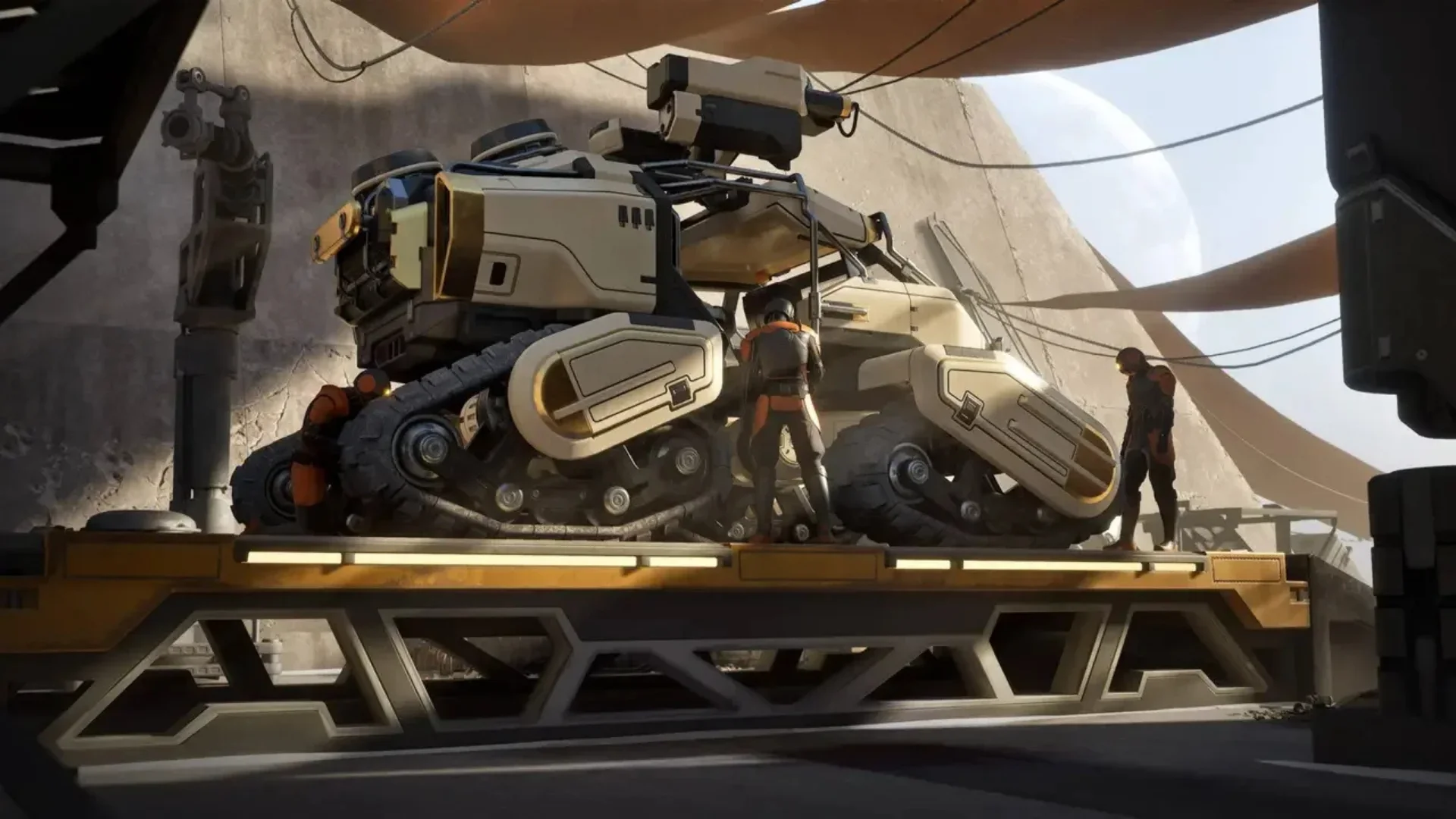
The desert gives Dune: Awakening its identity immediately. Heat, thirst, exposure, and distance all shape how I move. I was not just running between markers. I was thinking about whether I had enough water, how far I could push before the sun became a problem, and whether crossing open sand was worth the risk. That simple pressure gives the world a stronger sense of place than most survival games manage early on.
The sandworms do a lot of work, too. They are not just giant monsters added for spectacle. Their presence changes how I read the landscape. Vehicles, routes, noise, and distance all feel different when the ground itself might become a death sentence. Even after I understood the systems better, the sight or sound of danger under the sand still gave travel a nervous charge.
The world also looks the part. Arrakis is dry, sharp, and beautiful without becoming soft. Rock formations, wreckage, bases, storms, and stretches of open desert give the game a strong visual rhythm. It could have become a beige crafting map with Dune names pasted on top. Instead, it often feels like a place built around scarcity and scale.
Survival starts strong before the grind takes over
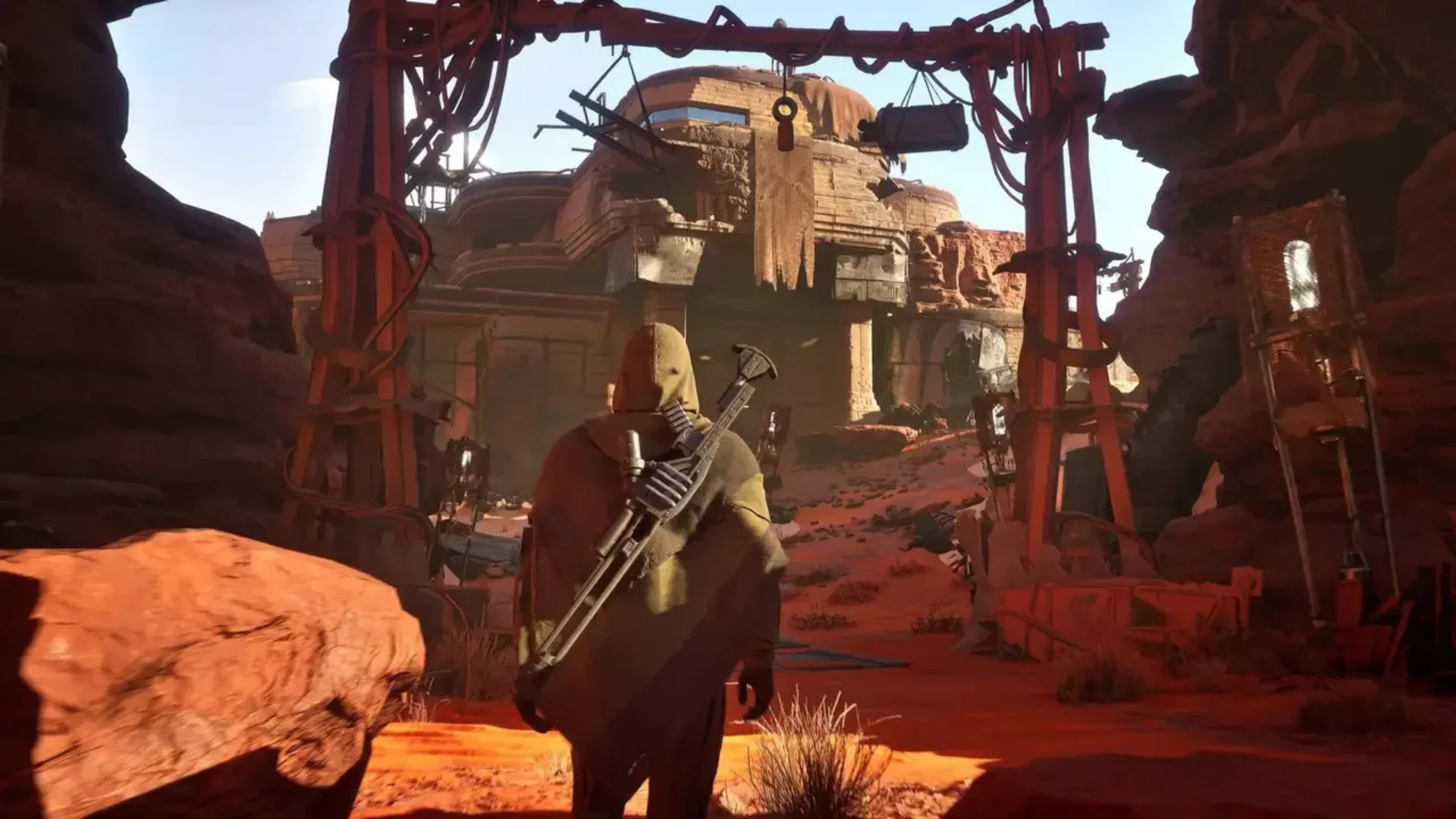
The survival mechanics are at their best when they are simple and immediate. Hydration is the clear winner. It is easy to understand, always relevant, and tied perfectly to the setting. Water is not just another meter. It is the thing that makes Arrakis feel like Arrakis. Finding it, conserving it, and preparing around it gives the early game a strong foundation.
Base building also lands better than I expected. The tools are readable, flexible, and quick enough that making a shelter feels satisfying rather than painful. I liked the process of turning a vulnerable start into a place where I could plan, craft, and breathe for a moment. A good base in Dune: Awakening feels less like a trophy room and more like proof that I have carved out a small pocket of control.
The grind grows heavier later. More systems arrive, more materials pile up, and the game starts asking for longer stretches of gathering and crafting. That is part of the genre, but Dune: Awakening does not always hide the repetition well. The best survival games make routine feel like preparation. Here, it sometimes starts to feel like labor between the better moments.
The Dune fantasy works best when systems tell the story
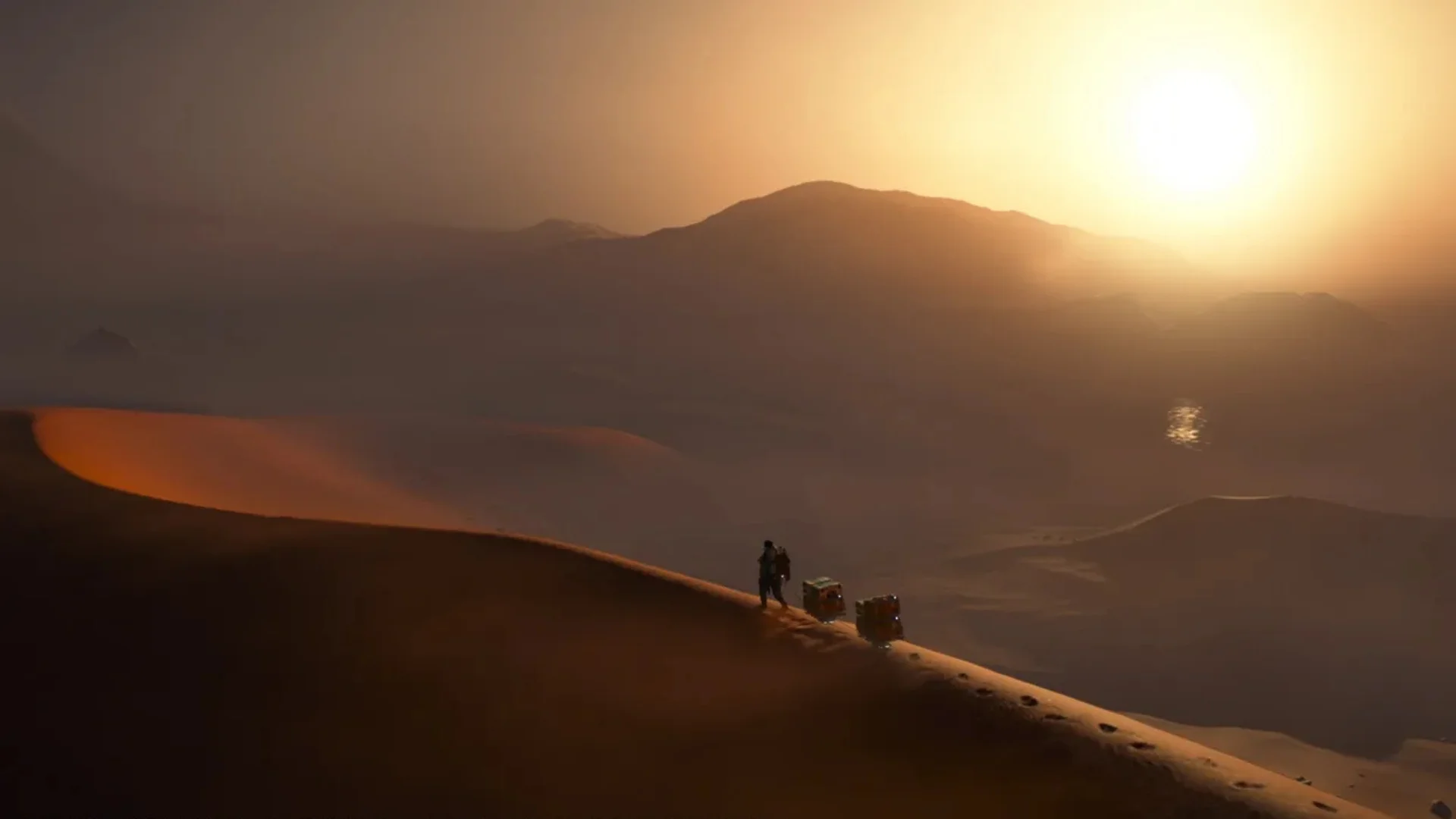
Dune: Awakening is clearly made by people who care about the source material, but it is smart enough not to rely only on names and references. The strongest Dune feeling comes from how the systems behave. Water matters. Spice matters. The desert matters. Travel matters. Power is tied to resources, routes, tools, and risk.
That is more convincing than a game that simply stops every few minutes to explain lore. I cared about the setting more when I was making practical decisions inside it. Should I push deeper for better materials? Should I avoid a dangerous route? Should I risk a trip before upgrading my gear? Those choices sell the fantasy better than a long speech about politics ever could.
The story and worldbuilding still add useful texture. The game finds ways to place me inside a version of the universe that feels familiar without turning me into the center of every famous event. That is the right call. Dune works better when the world feels older, larger, and more powerful than the person moving through it.
The online world is exciting and awkward
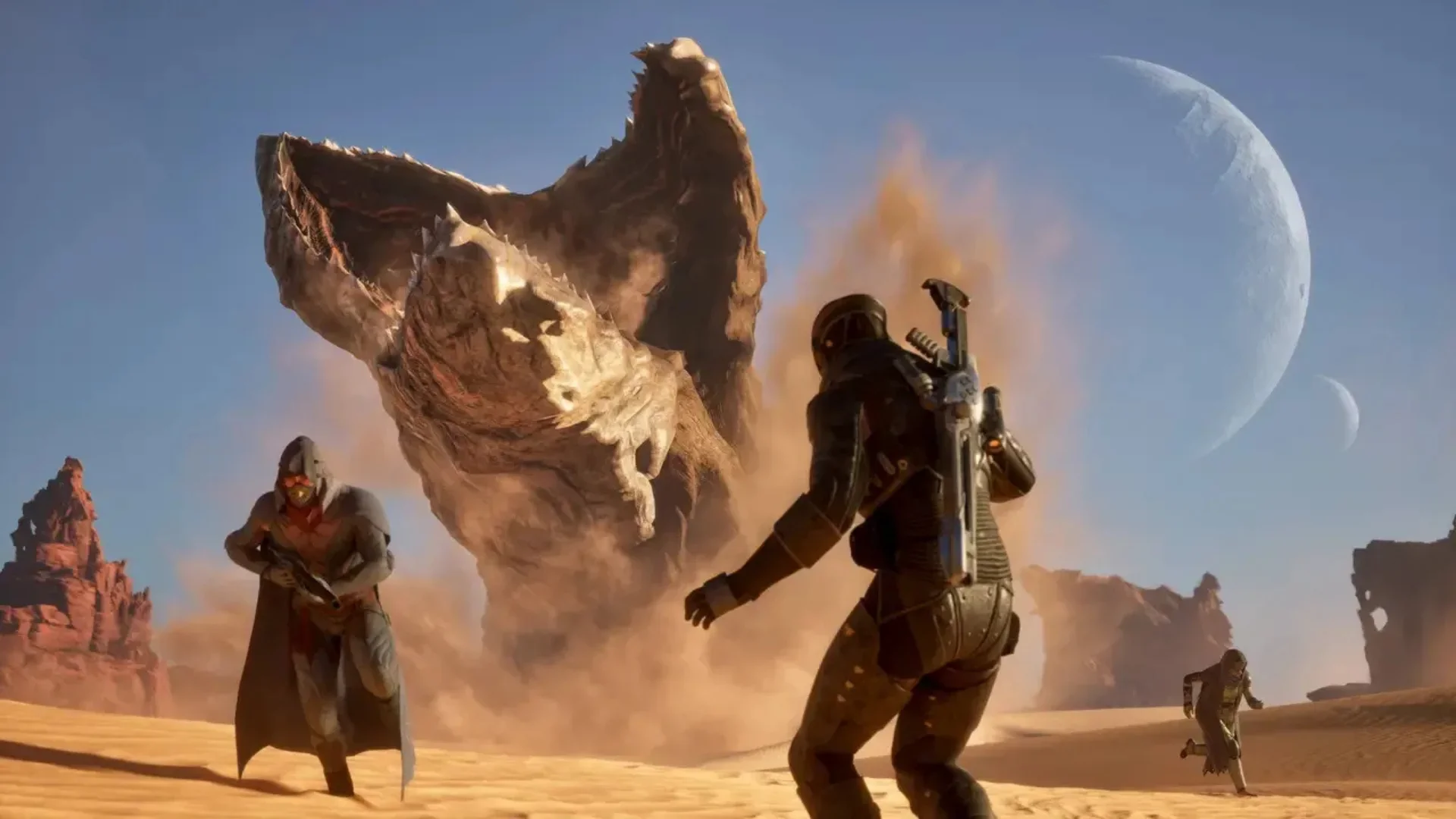
The multiplayer side gives Dune: Awakening a broader sense of possibility. Seeing other players, hearing vehicles, watching the world fill with bases and activity, and knowing that other people are chasing the same desert economy makes Arrakis feel less static. The planet feels shared, which gives every journey a bit more tension.
That shared world can be exciting. Another player nearby might be a threat, a rival, a useful sign of life, or just a reminder that the desert is bigger than my own little survival plan. The best moments come when player presence adds uncertainty without completely taking over the game. A distant aircraft or a sudden encounter can change the mood fast.
The problem is that the MMO-like structure can feel confused. Dune: Awakening is not always clear about whether it wants to be a survival game first, a social sandbox, a crafting-driven endgame, or a long-term online world. It can be compelling in all of those directions, but not always at the same time. The more systems it adds, the easier it is to miss the clean fear of the early desert.
The endgame asks for patience

The long-term loop is where Dune: Awakening becomes harder to recommend without conditions. There is a lot to do, and the game can hold attention for dozens of hours if the crafting, base building, vehicle progression, spice economy, and social competition hook you. I enjoyed having goals beyond simple survival, especially once better gear and transport made the world feel wider.
But the endgame can also feel oddly designed. Some of the most interesting ideas depend on grinding, group pressure, contested zones, or systems that ask for a lot of time before they give back enough excitement. A survival game can survive repetition if the stakes stay sharp. Dune: Awakening sometimes lets those stakes blur into chores.
This is also where solo players may feel the limits more clearly. The game can be played alone, and I enjoyed a lot of it that way, but the larger structure often feels built for players willing to organize, grind, and commit for the long haul. If you want a tightly paced survival adventure with a clear end point, this may start to feel heavier than expected.
Dune: Awakening is flawed, but hard to dismiss
Dune: Awakening is not a clean survival masterpiece, and it is not always elegant about its online ambitions. The grind can drag, the endgame has rough edges, and the game’s identity becomes less focused the further it moves away from simple desert survival.
But I still think it is worth playing, especially for anyone who wants a survival game with a stronger world than usual. Arrakis feels dangerous, the early survival loop is excellent, and the best systems turn Dune into something I can feel through play rather than just recognize through lore. It is slow, demanding, and sometimes dull in the way survival games can be dull, but when the sun is high, water is low, and the sand starts to feel unsafe, Dune: Awakening becomes exactly the game it needed to be.

Dune: Awakening is an open-world survival MMO set on the desert planet Arrakis. Players create a custom character and must manage thirst, maintain stillsuits, and contend with environmental hazards like sandstorms, extreme heat, and roaming sandworms. The game involves scavenging
Released
June 10, 2025
Developer
Funcom
Publisher
Funcom
Systems


Discussion
0We want to hear from you. Share your perspective in the comments below, and please keep the conversation respectful.
Log in to join the discussion - vote, reply, and share your take.
Log In