Home/Articles/Reviews/Like a Dragon: Pirate Yakuza in Hawaii is better when it stops pretending to be serious
← Back to Newsroom
Credit: Ryu Ga Gotoku Studio
reviewlike-a-dragon-pirate-yakuza-in-hawaii
Like a Dragon: Pirate Yakuza in Hawaii is better when it stops pretending to be serious
June 3, 2026·Updated September 4, 2026·7 min read
Like a Dragon: Pirate Yakuza in Hawaii sounds like a joke the series would usually save for a side quest. Goro Majima wakes up without his memory, becomes a pirate, gathers a crew, sails around Hawaii, and starts solving problems with cutlasses, pistols, ship cannons, and the same unhinged charm that has made him one of the series’ most beloved characters.
The strange thing is that it mostly works. Not because the story is deep, and not because the pirate systems are secretly more complex than they look. It works because Majima is finally allowed to carry a whole game with the exact mix of chaos, sincerity, and violence that suits him. This is not one of the strongest stories in the series, but it is one of the easiest to enjoy.
Majima carries the game even when the story does not
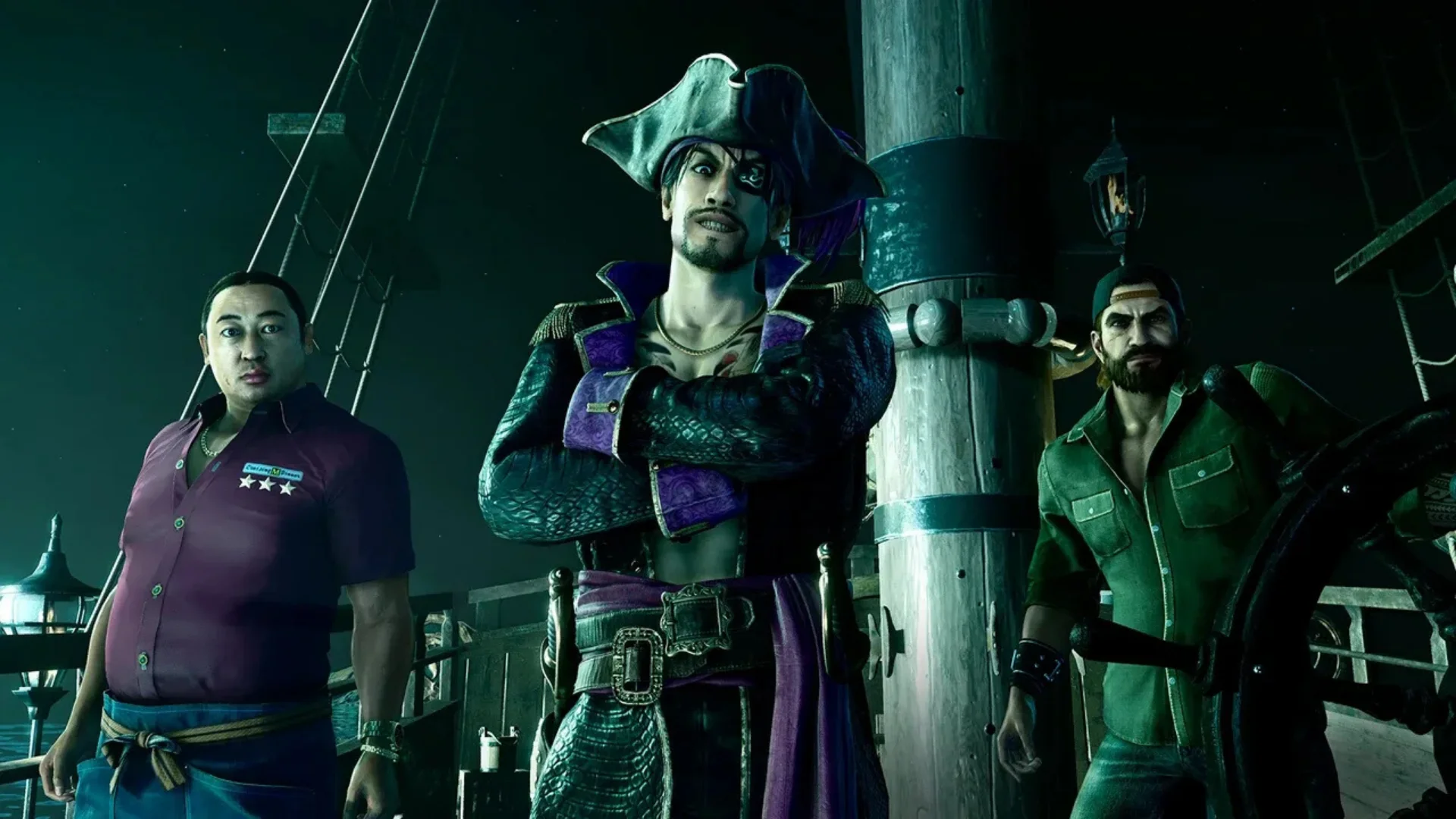
Majima is the reason this spin-off has a pulse. He has always been more than the loud, dangerous clown the series sometimes lets him become, and putting him in the lead gives the game an immediate energy. He can be ridiculous in one scene, threatening in the next, and oddly gentle a few minutes later without the shift feeling fake.
The amnesia setup is a little thin. It gives the game an easy excuse to place him in a new situation, but it also keeps the story from digging as deeply into his past as it could have. For a character with this much history, there is some frustration in watching the game dance around parts of him that deserve more attention.
Still, Majima makes even weaker material more entertaining. He reacts to the pirate premise with enough conviction that the whole thing becomes easier to accept. The game knows the idea is absurd, but it does not treat it like disposable nonsense. That balance is important. Pirate Yakuza in Hawaii is funny, but it is not lazy about its silliness.
The combat is the strongest part of the spin-off
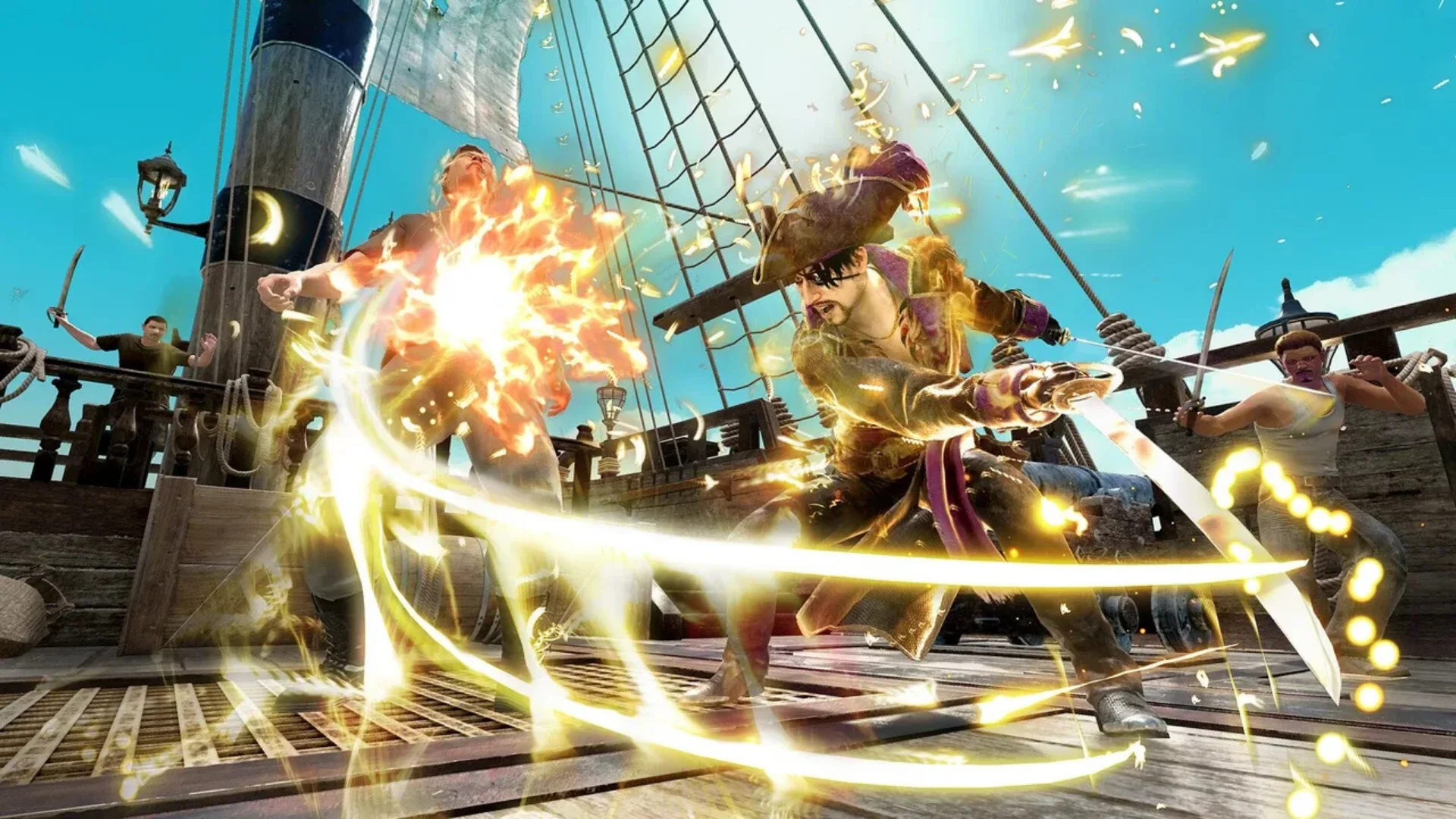
The fighting is easily the best mechanical reason to play. Majima’s Mad Dog style is fast, loose, and violent in a way that fits him perfectly. It gives the game the immediate energy I want from a character-action spin-off, with quick movement, sharp attacks, and enough flexibility to make street fights feel lively instead of routine.
The Sea Dog style gives the game its pirate flavor without turning combat into a gimmick. Cutlasses, pistols, chain hooks, and theatrical special attacks all push Majima into a different rhythm. It is exaggerated, but that is exactly what the premise needs. The game is not asking me to believe in a grounded pirate simulation. It is asking me to enjoy Majima turning every fight into a stage.
The best fights have that familiar Like a Dragon chaos where the line between serious and stupid disappears. I was not always challenged, but I was usually entertained. Combat has enough speed and personality to carry long stretches where the story or naval systems start to feel thinner.
The pirate life is fun, but lighter than it first appears
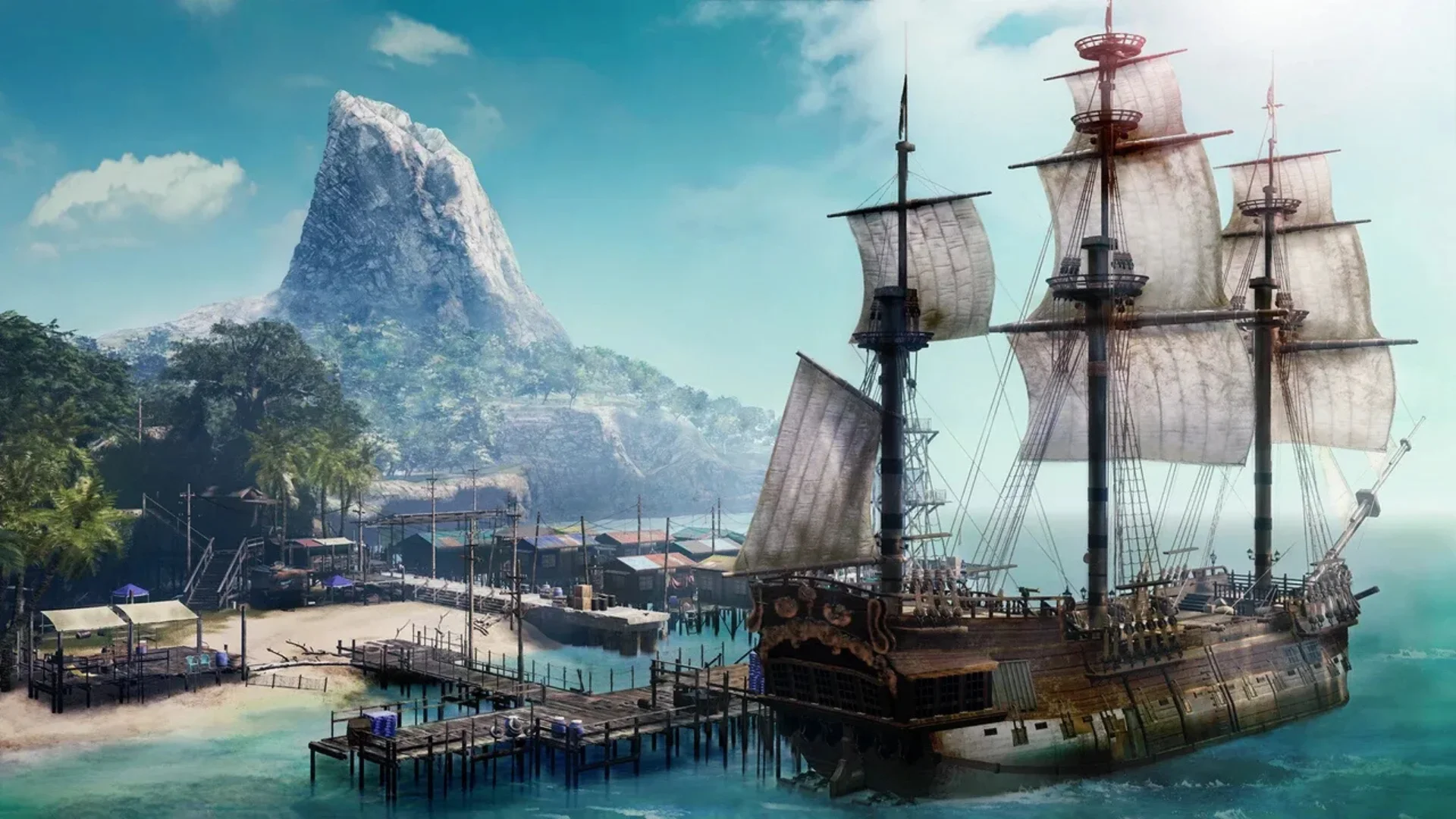
Sailing around with a crew gives Pirate Yakuza in Hawaii its biggest new identity. Recruiting allies, upgrading the ship, searching for treasure, and getting into naval fights all make the game feel distinct from a normal Kamurocho or Honolulu brawler. It gives the spin-off a sense of movement that suits Majima’s strange new role.
The ship combat is enjoyable in a simple way. It is readable, loud, and satisfying enough when cannons fire and enemy ships start falling apart. Crew-building also adds a pleasant layer of progression, especially when familiar faces and odd recruits start filling out the deck. It gives the game a playful adventure tone that separates it from the heavier mainline entries.
But the pirate systems do not have the depth to carry the game on their own. Sailing can become slow, naval battles repeat, and exploration is more limited than the premise suggests. The fantasy is strong enough to enjoy, but not strong enough to hide the simplicity forever. The game is much better when the pirate material supports Majima rather than trying to become the whole experience.
Hawaii still has plenty to do
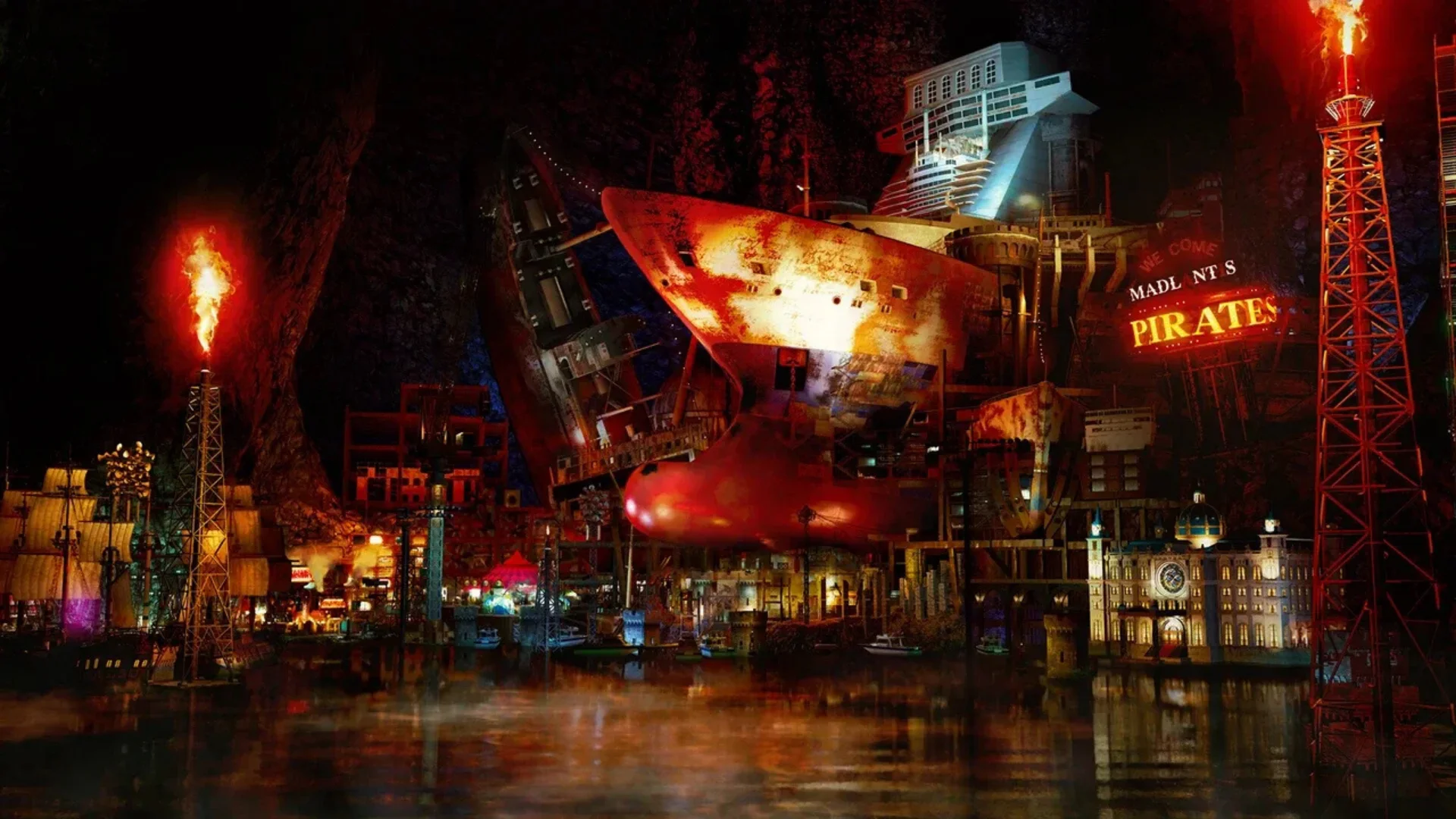
Returning to Hawaii gives the game a strong base. The setting already worked well in Like a Dragon: Infinite Wealth, and this spin-off benefits from that same mix of bright streets, side activities, tourist energy, and criminal absurdity. It is not as fresh the second time, but it remains a fun place to lose time.
The side content is exactly where the series’ personality shows up. Minigames, crew activities, strange encounters, and optional stories give the game a lot of texture beyond the main plot. Some of it is lightweight, but lightweight does not always mean empty. A lot of the joy comes from watching the game commit to ideas that would feel too strange almost anywhere else.
Not every side story lands. Some feel thinner than the better substories from the mainline games, and the spin-off format means the whole package has a slightly smaller emotional range. But there is still enough here to make wandering worthwhile. Like a Dragon has always been good at making distractions feel like part of the main appeal.
The story takes too long to find its best shape
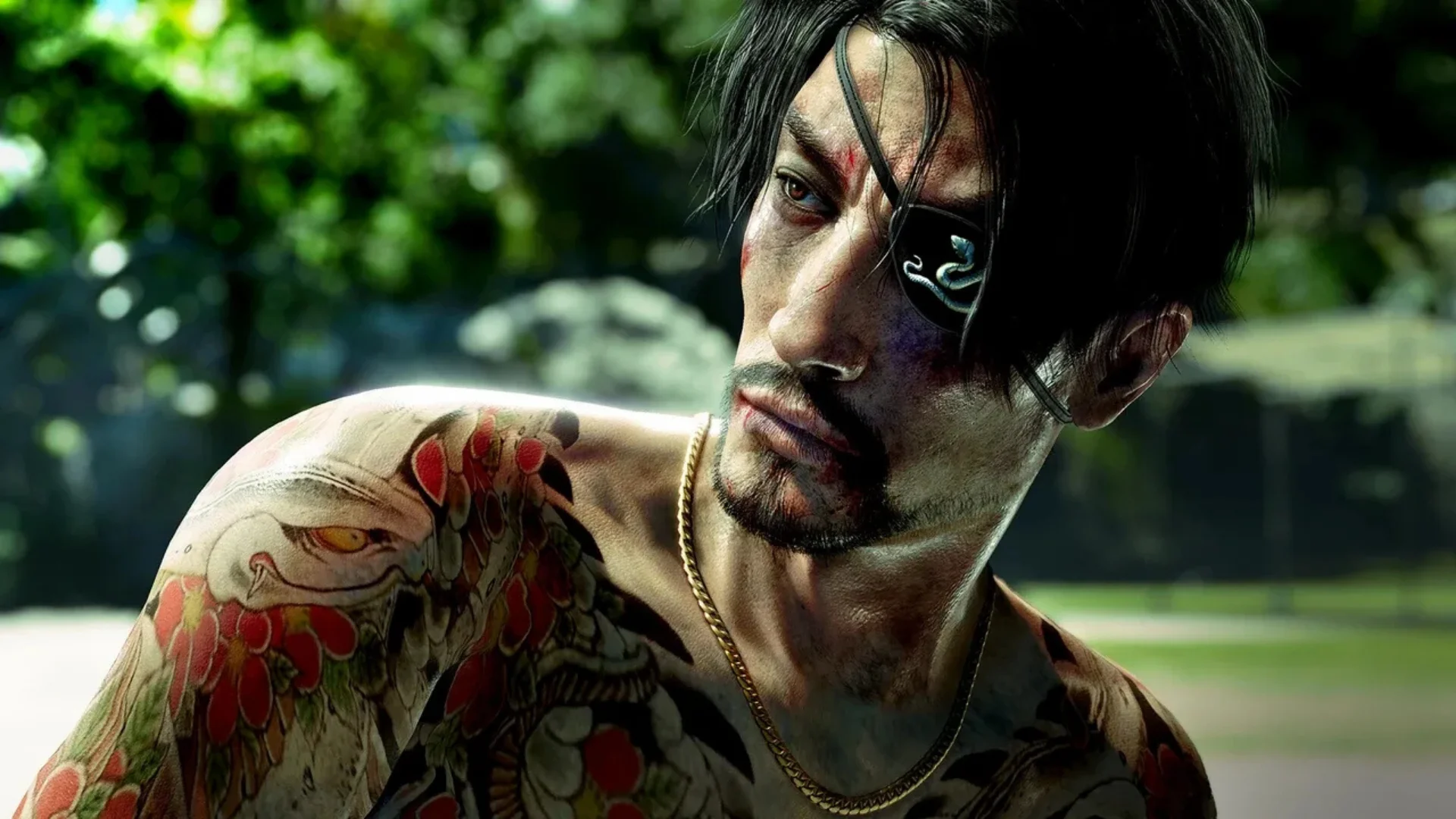
The main story is where Pirate Yakuza in Hawaii feels most uneven. The setup is funny, the cast has charm, and Majima is strong enough to keep things moving. But the central plot does not always have the weight or focus of the series’ best entries. It takes time to build momentum, and some villains are easier to remember for their style than their substance.
That is not fatal for a spin-off like this. The game is clearly built as a wild detour rather than a central chapter in the larger saga. But the series has set a high bar for mixing absurdity with emotional payoff, and this one does not always reach it. There are sincere moments, but fewer that really cut deep.
The final stretch is stronger, and the story improves once the game stops circling the premise and starts pushing Majima toward clearer stakes. I just wish it had reached that point sooner. For much of the campaign, the writing is enjoyable without being especially memorable.
Pirate Yakuza in Hawaii is a worthy detour
Like a Dragon: Pirate Yakuza in Hawaii is not essential in the way the best mainline entries are. Its story is lighter, its naval systems are simple, and its pirate structure repeats more than it should. Players looking for the emotional force of Yakuza 0 or the scale of Infinite Wealth may find it too slight.
But as a Majima-led action spin-off, it is hard to dislike. The combat is fast and full of character, Hawaii remains entertaining, and the pirate setup gives the series a new kind of ridiculous playground. I would recommend it to fans who already love Majima and want a shorter, stranger break from the main saga. It is not the deepest Like a Dragon game, but it understands its own joke well enough to turn it into a genuinely fun adventure.
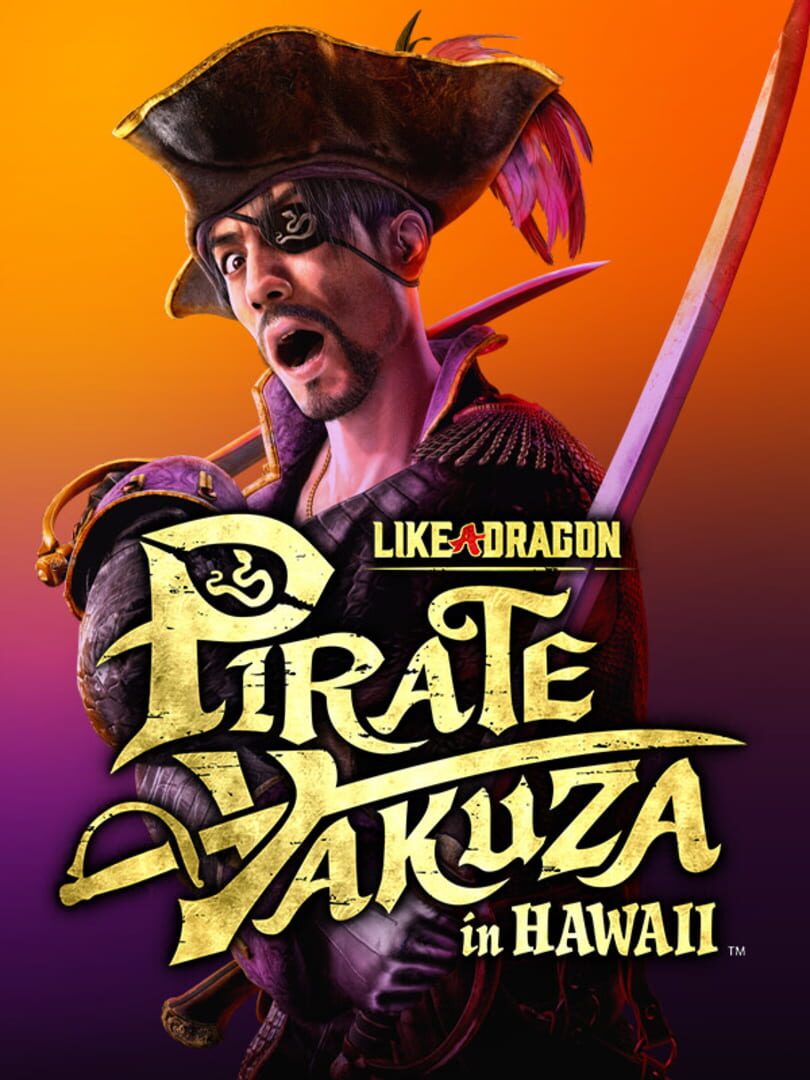
A new legend begins as you step into the steel toe boots of Goro Majima, a man who has lost his memory and reinvents himself as a pirate on the open sea. Embark on an over-the-top, modern-day pirate adventure with an ex-yakuza, now pirate captain and his crew as they engage in e
Released
February 21, 2025
Developer
Ryu Ga Gotoku Studio
Publisher
Sega
Systems


Discussion
0We want to hear from you. Share your perspective in the comments below, and please keep the conversation respectful.
Log in to join the discussion - vote, reply, and share your take.
Log In