Credit: Sloclap
reviewrematch--1
Rematch is brilliant when the team understands football
June 3, 2026·Updated September 13, 2026·7 min read
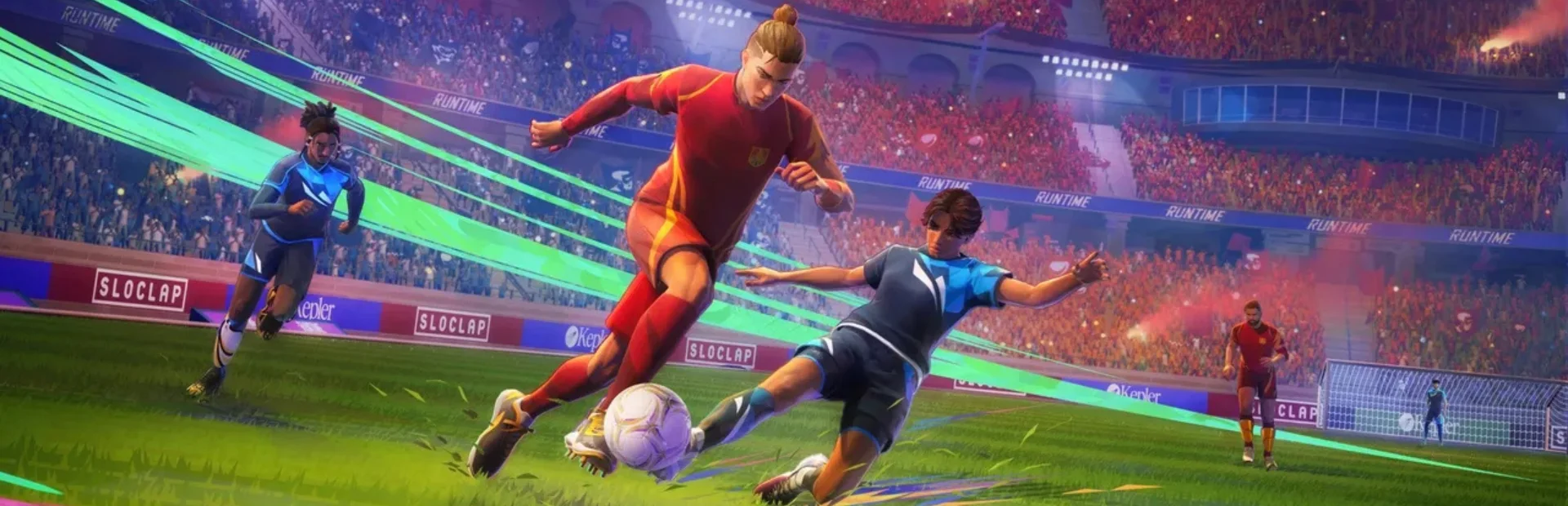
Rematch is not trying to be EA Sports FC with fewer licenses. It is closer to a football game stripped down to its most anxious moments: first touch, movement, passing, shooting, covering space, and trying not to be the person who gives the ball away in front of goal. It looks simple from a distance, but the first few matches make it clear that simplicity is not the same as ease.
That is both the hook and the problem. When Rematch clicks, it feels fantastic. A clean pass into space, a desperate save, a perfectly timed run, or a last-second interception can feel better than scoring in most sports games. When it does not click, it can feel like five strangers all trying to star in different matches. This is a sharp arcade football game with a team problem, and that tension defines almost every minute.
The football is faster and more personal
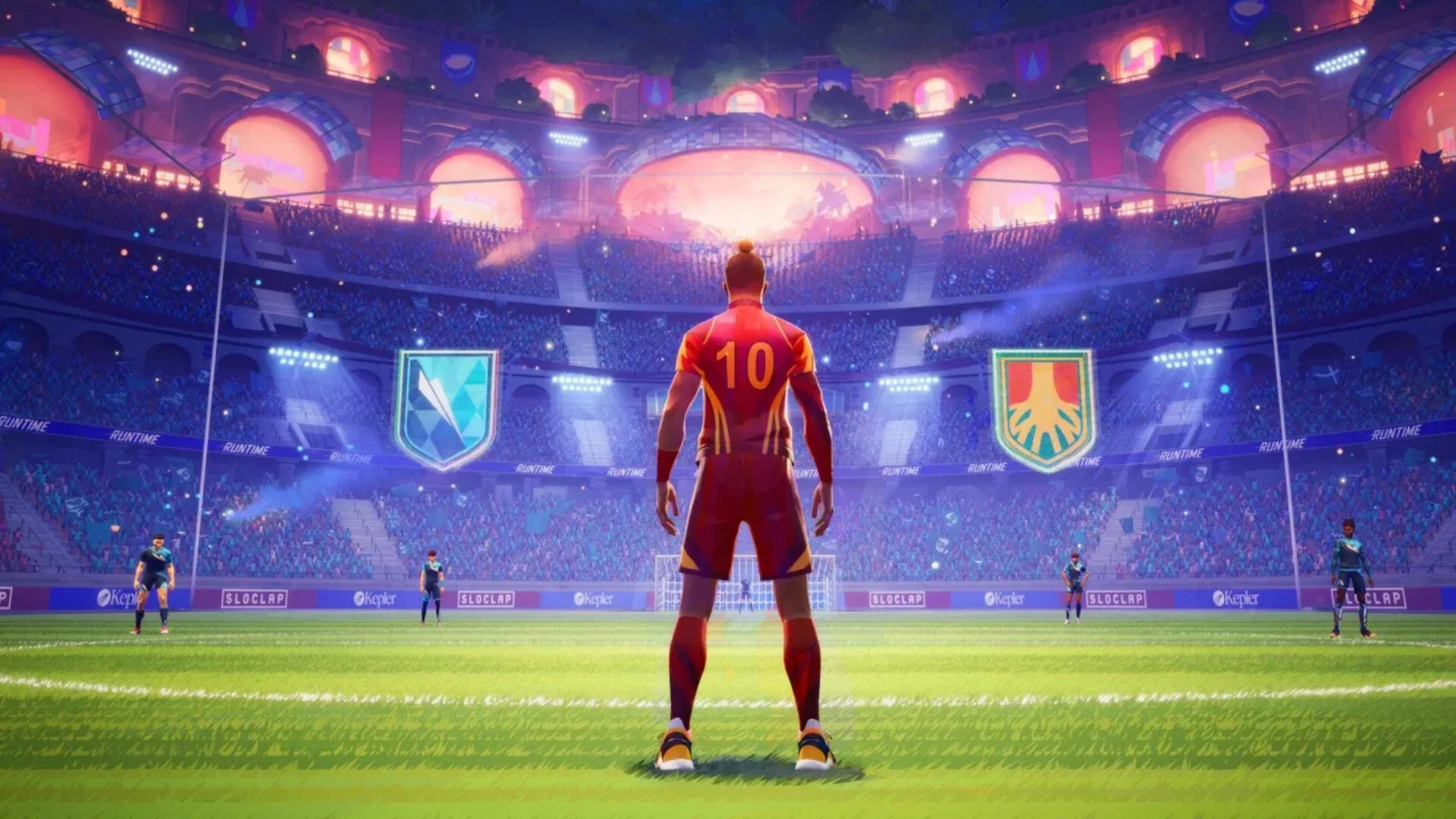
The smartest thing Rematch does is put me in control of one player. I am not switching between a full team or dragging a formation around from above. I have one body, one position, one set of mistakes to own. That immediately changes the mood of the match. If I overcommit, someone has to cover. If I drift too far forward, the defense feels it. If I refuse to pass, the whole team starts to suffer.
That single-player focus gives every touch more pressure. Receiving the ball badly can kill an attack. A rushed shot can waste the only good chance the team has built in a minute. A simple sideways pass can be the difference between control and panic. Rematch understands football as a game of small decisions, not just highlight moments.
It also makes the victories feel more shared. A good goal usually starts before the final shot. Someone wins the ball, someone moves into space, someone pulls a defender away, and someone trusts the pass. The game is at its best when that chain forms without anyone needing to explain it.
The learning curve is rough but rewarding
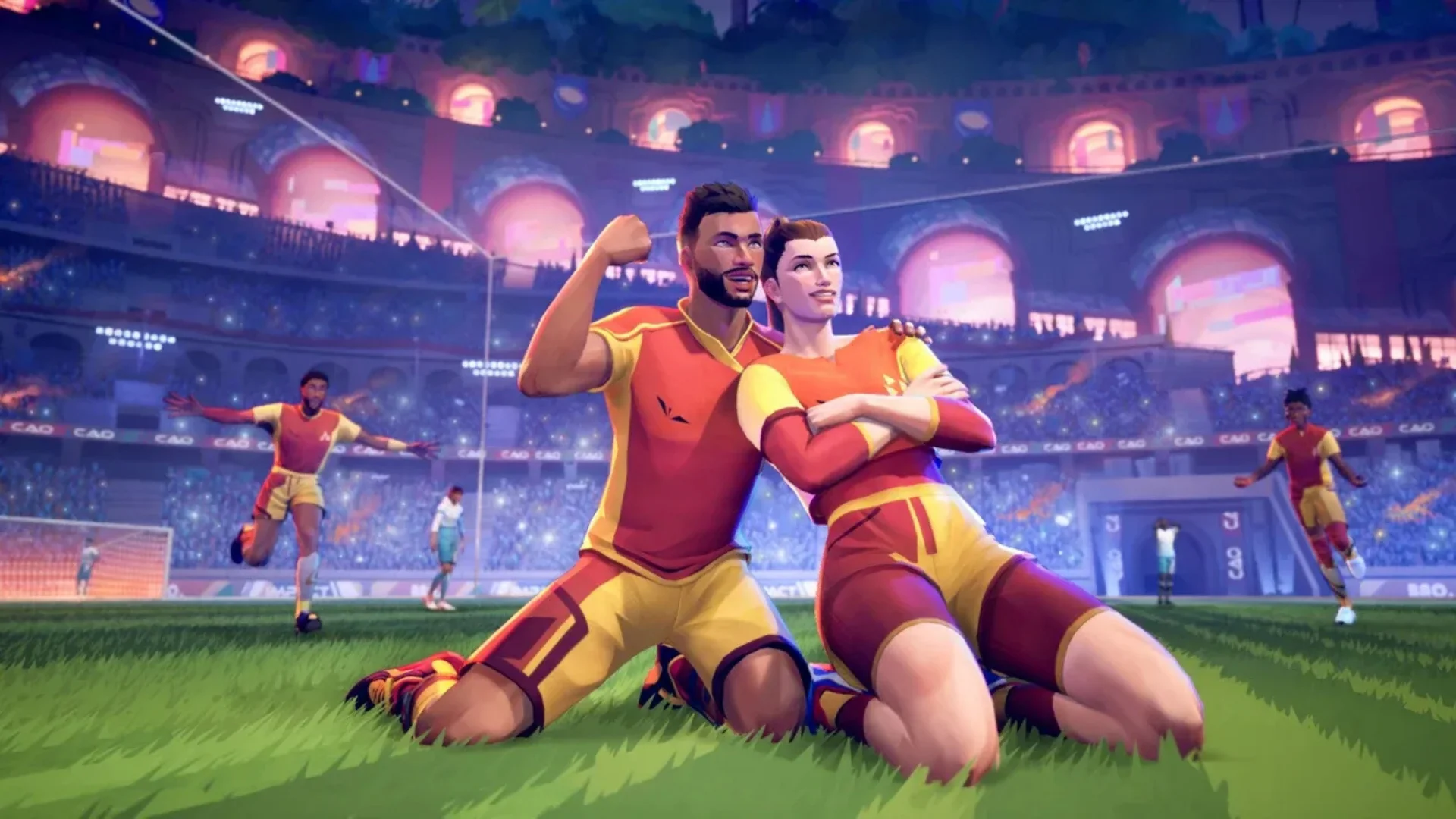
Rematch is easy to understand and hard to play well. The basic controls make sense quickly, but the timing is strict enough that bad habits get punished. First touches, passes, tackles, volleys, clears, and shots all need more care than a casual arcade sports game might suggest. I spent my early matches chasing the ball too much, shooting too early, and forgetting that space matters more than speed.
That difficulty gives the game a real skill ceiling. There is a satisfying jump from surviving a match to reading one properly. I started noticing when to hold position instead of sprinting after the ball. I started valuing simple passes more than dramatic attempts. I started seeing the shape of an attack before the ball arrived. That growth feels good because the game does not hand it to me.
It can also be frustrating. Small mistakes are very visible, and a bad teammate can make a match feel hopeless fast. Rematch asks players to understand football’s unglamorous work, but it cannot force them to do it. That means some matches become less about the opponent and more about whether my own team knows when to stop chasing.
Team play is the whole game
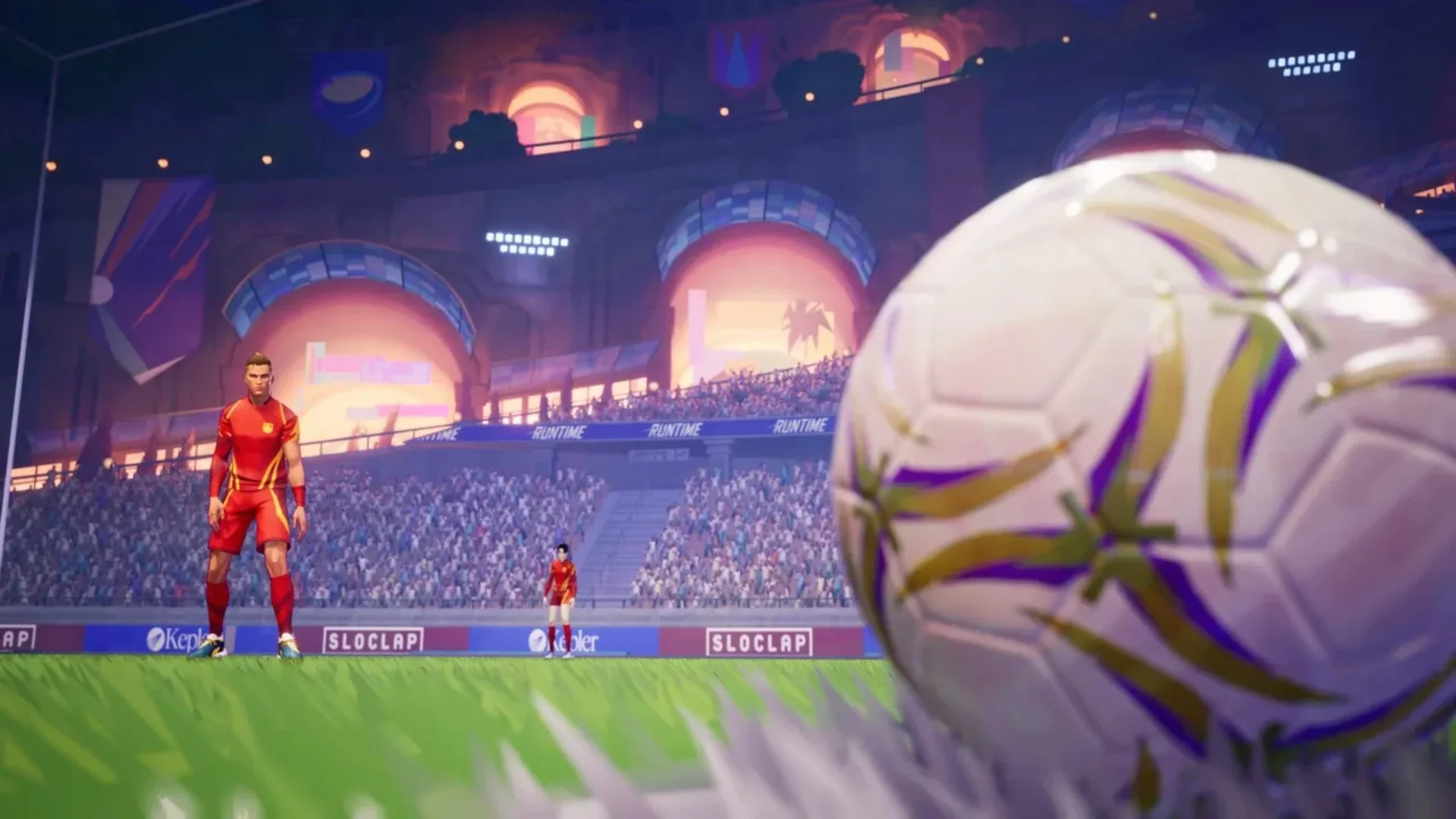
The best matches feel almost like a five-a-side version of Rocket League, but with more human awkwardness. Everyone has a role, even when the game does not lock them into one. Someone has to stay back. Someone has to press. Someone has to offer a passing lane. Someone has to notice when the goalkeeper is stranded. The game rewards players who think beyond the ball.
That makes cooperation feel more important than individual flair. A skilled dribbler can create magic, but a selfish player can ruin a match just as quickly. The game’s most satisfying moments came when the team made the obvious choice together: one-touch pass, quick layoff, clean run, finish. No showboating. No wasted trick. Just football played at speed.
The problem is that random matchmaking does not always support that ideal. Too many players chase the ball like it owes them money. Too many abandon defensive shape. Too many shoot from bad angles because the game gives them just enough confidence to make a terrible decision. With friends, Rematch can be excellent. With strangers, it can swing between thrilling and maddening in the same session.
The third-person camera gives every mistake weight
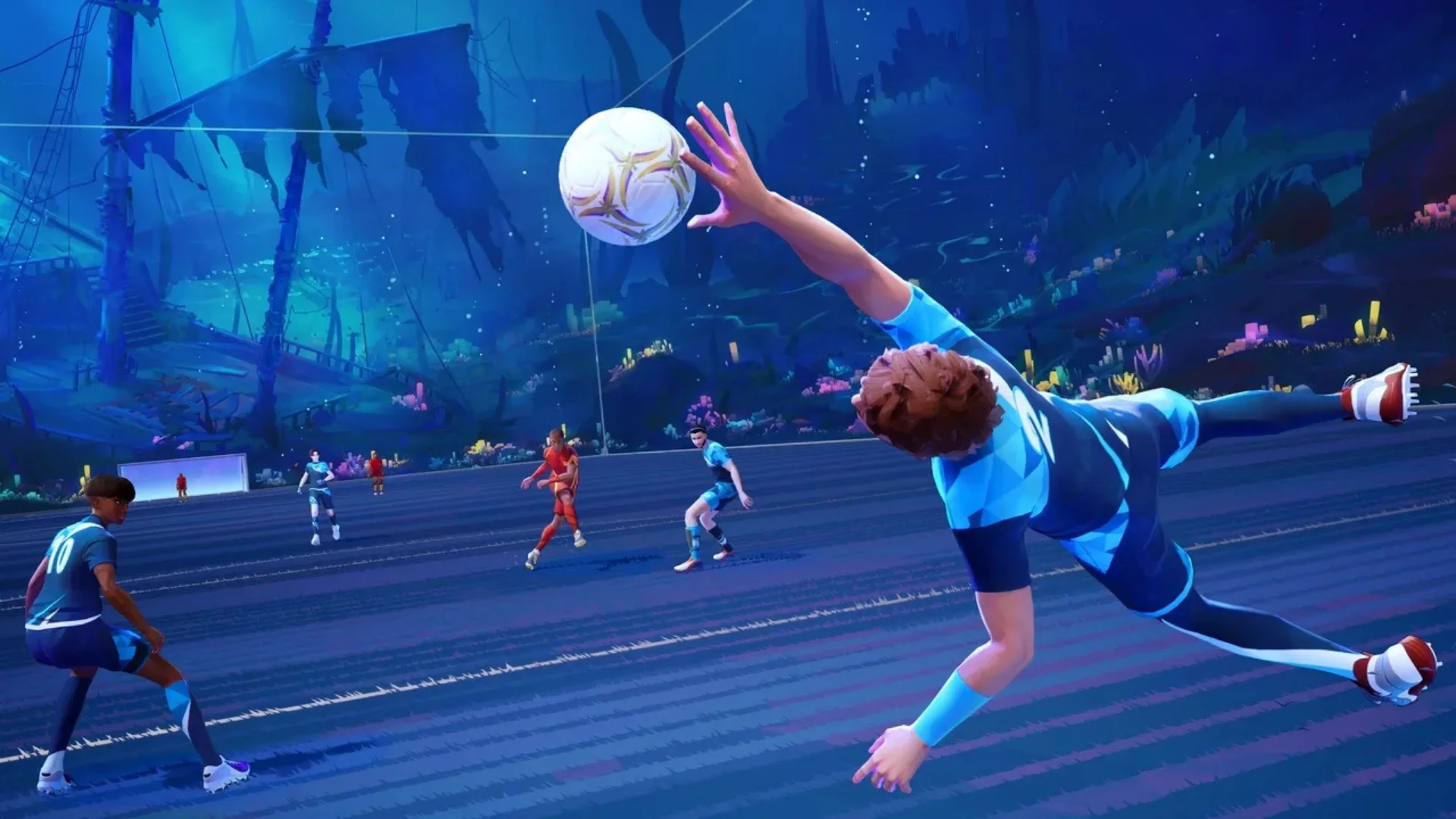
The third-person perspective is a huge part of why Rematch feels different. I am closer to the action, which makes each duel feel personal. A defender closing me down feels immediate. A loose touch feels embarrassing. A shot flying just wide feels like something I did wrong, not something a hidden dice roll decided.
That camera also creates pressure away from the ball. I need to turn, scan, and understand where the play is moving. I cannot see the whole pitch at once, which means positioning becomes a skill rather than a background system. The best players are not only the ones who can dribble. They are the ones who know where to stand before the pass comes.
There are times when the view can work against the game. Defensive reads can be awkward, and some fast transitions are hard to process. But I would not trade the perspective away. It gives Rematch its identity. The game feels less like controlling football and more like being trapped inside one small part of it.
The rough edges hurt a competitive game
A game like Rematch depends on trust. The inputs need to feel sharp. The servers need to hold. Matchmaking needs to make sense. Team balance needs to feel fair enough that losses still feel useful. When those pieces wobble, frustration rises quickly because every match is built on tight timing and shared responsibility.
That is where Rematch still struggles. Server issues, matchmaking unevenness, missing crossplay at launch, and live-service roughness all make the game harder to recommend cleanly. A brilliant match can be followed by one where the systems around the football feel less reliable than the football itself.
The lack of crossplay at launch was especially painful for a game built around teamwork. Rematch wants friends to squad up and build chemistry, but platform barriers make that harder than it should be. The foundation is strong, but the surrounding structure needs to catch up if the game wants to last.
Style and simplicity work in its favor
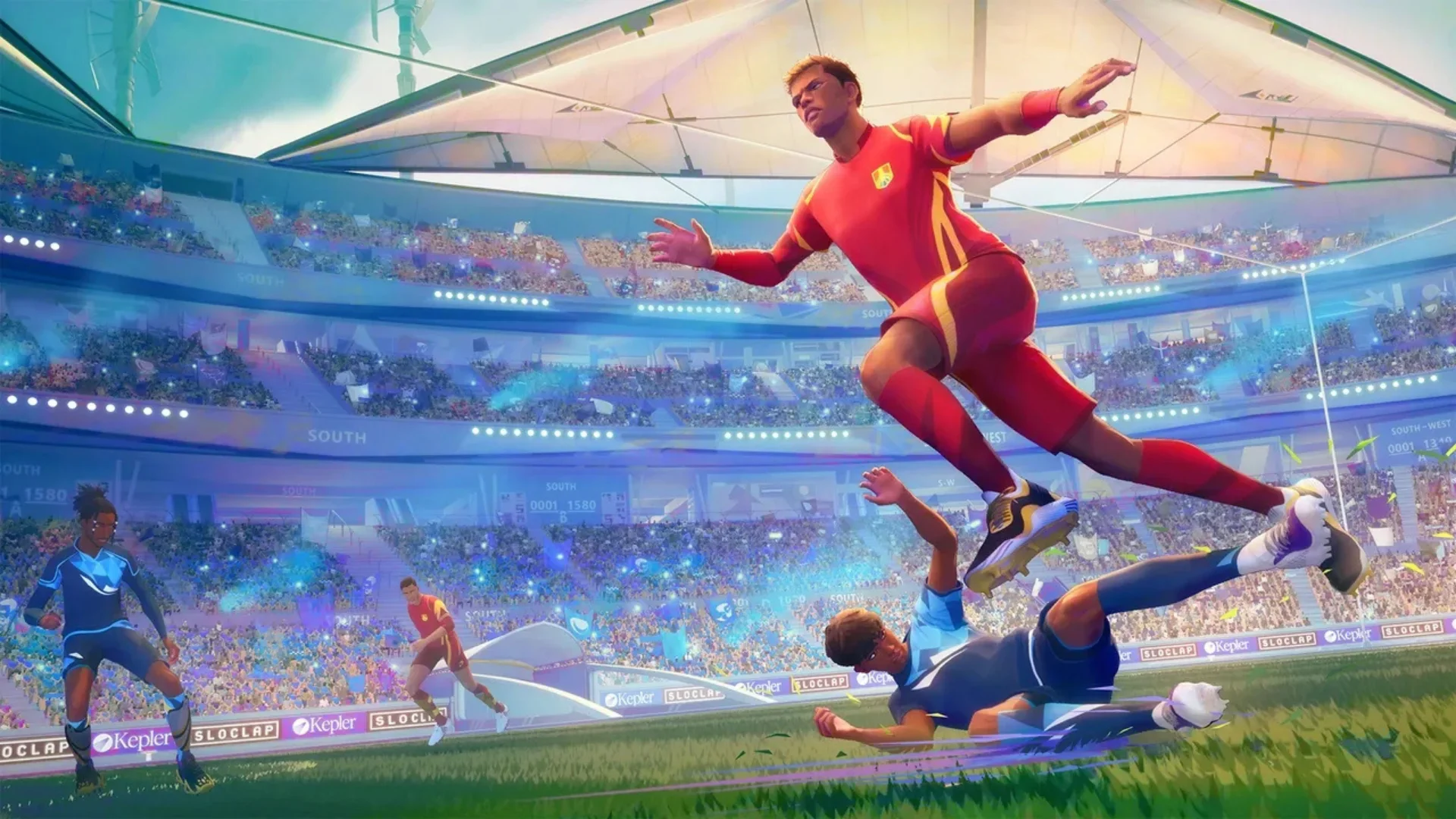
Visually, Rematch makes smart choices. It is clean, bright, and readable, with a stylized look that keeps attention on movement rather than realism. That suits the design. This is not trying to recreate broadcast football. It is trying to turn football into a fast, competitive arena game.
The lack of fouls, stoppages, and traditional football clutter helps the pace. Matches move quickly. The ball stays active. Mistakes become chances. The game trims away a lot of the sport’s slower texture, but it keeps enough of the decision-making to feel like football rather than a generic ball game.
That approach will not please everyone. Players who want full simulation, tactical depth across an entire squad, real clubs, or authentic match flow will not find that here. Rematch is narrower and more focused. It wants the tension of the play itself, not the full machinery around the sport.
Rematch needs the right team around it
Rematch is one of the most interesting sports games in years, but it is also one of the easiest to hate in the wrong lobby. The core design is strong, the skill ceiling is high, and the best matches create the kind of shared adrenaline that competitive games chase for years. When five players understand spacing, passing, and patience, the game sings.
I would recommend Rematch to players who enjoy skill-based multiplayer and have friends willing to learn with them. Solo players can still have a good time, but they will need patience for messy teams and uneven matches. The game is not polished enough around the edges yet, and its launch issues matter. But the football itself is too sharp to ignore. Rematch has the bones of something special. It just needs more players to understand that the smartest thing they can do is pass.
Discussion
0We want to hear from you. Share your perspective in the comments below, and please keep the conversation respectful.
Log in to join the discussion - vote, reply, and share your take.
Log In