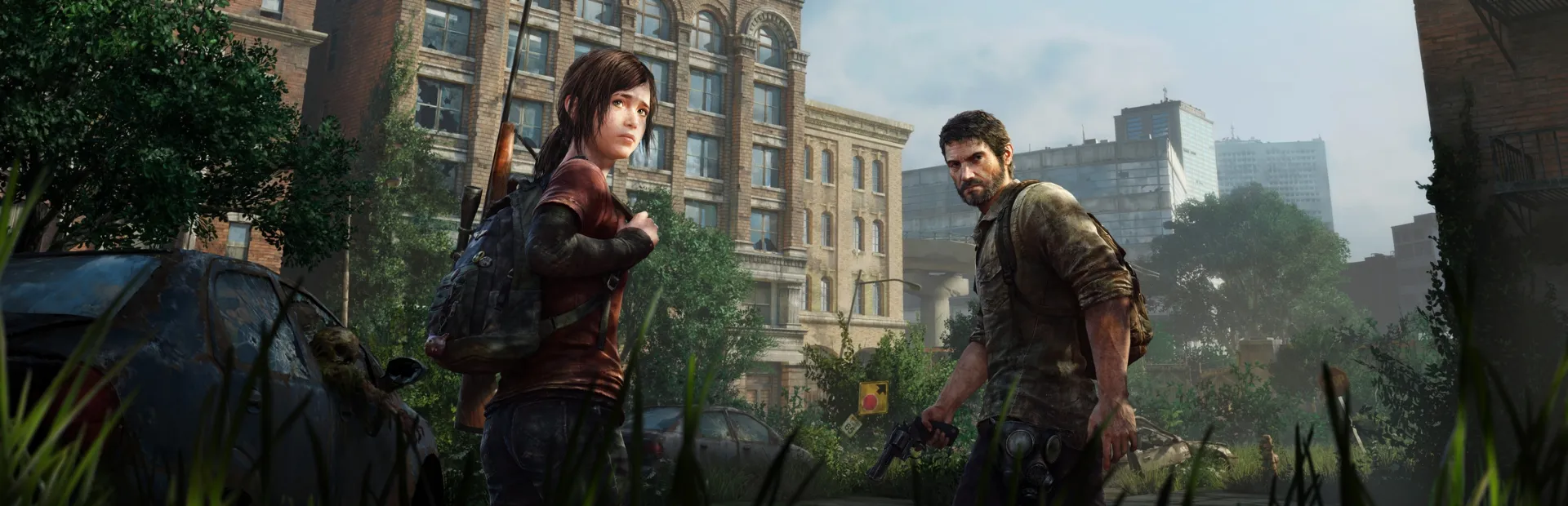
The Last of Us review: Joel and Ellie's journey still holds up
The Last of Us still holds up in 2026 thanks to Joel and Ellie, tense combat and a memorable world, even if its traversal now shows its age.
The Last of Us follows Joel, a smuggler hired to escort 14-year-old Ellie across a United States devastated by a fungal outbreak. Their journey takes them beyond military quarantine zones and through abandoned cities filled with infected people and hostile survivors.
More than a decade after the original release, much of Naughty Dog's adventure still holds up. Joel and Ellie remain excellent characters, the combat makes limited ammunition and supplies feel important, and exploring an empty building can be as memorable as surviving a fight.
Some of its age is harder to ignore. Joel's movement can feel stiff, while ladders, floating pallets and simple traversal puzzles repeat too often.
What still stands out though, is how naturally Joel and Ellie's relationship develops between the major story beats, often through small conversations the game never turns into a spectacle.
Joel and Ellie need time to trust each other
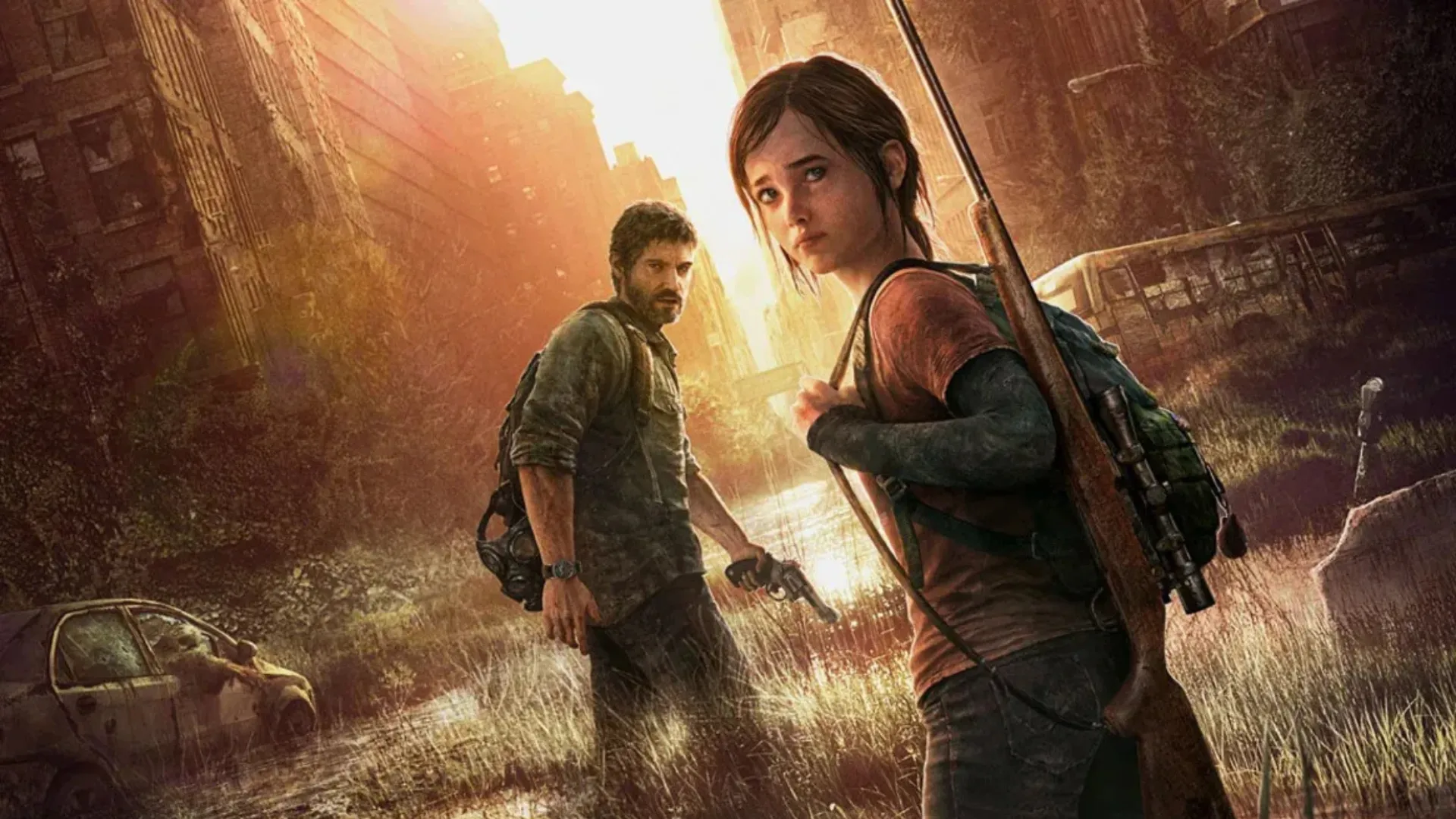
The Last of Us depends heavily on Joel and Ellie being believable together, because almost the entire story is built around the time they spend travelling as a pair.
Joel initially treats Ellie as cargo. He answers her questions reluctantly, keeps conversations short and wants to finish the job. Ellie keeps talking anyway, asking about the world before the outbreak, swearing at him and refusing to quietly follow instructions.
Ellie starts reading jokes from a book she finds, tries to whistle and fills long walks with questions. Joel's reactions slowly shift from irritation to genuine conversation, often without either character acknowledging it.
Ashley Johnson is especially good at keeping Ellie recognisably fourteen. She can be confident and confrontational one minute, then fascinated by something ordinary from the old world the next. Troy Baker keeps Joel much more restrained, letting brief pauses and changes in tone do most of the work.
Bill, Henry and Sam reveal different sides of the pair as they travel. Joel recognises some of Bill's suspicion and isolation, while Henry's relationship with his younger brother gives Ellie someone closer to her own age.
Joel remains violent, suspicious and capable of choices that are difficult to defend, even after Ellie becomes important to him.
Every fight costs something
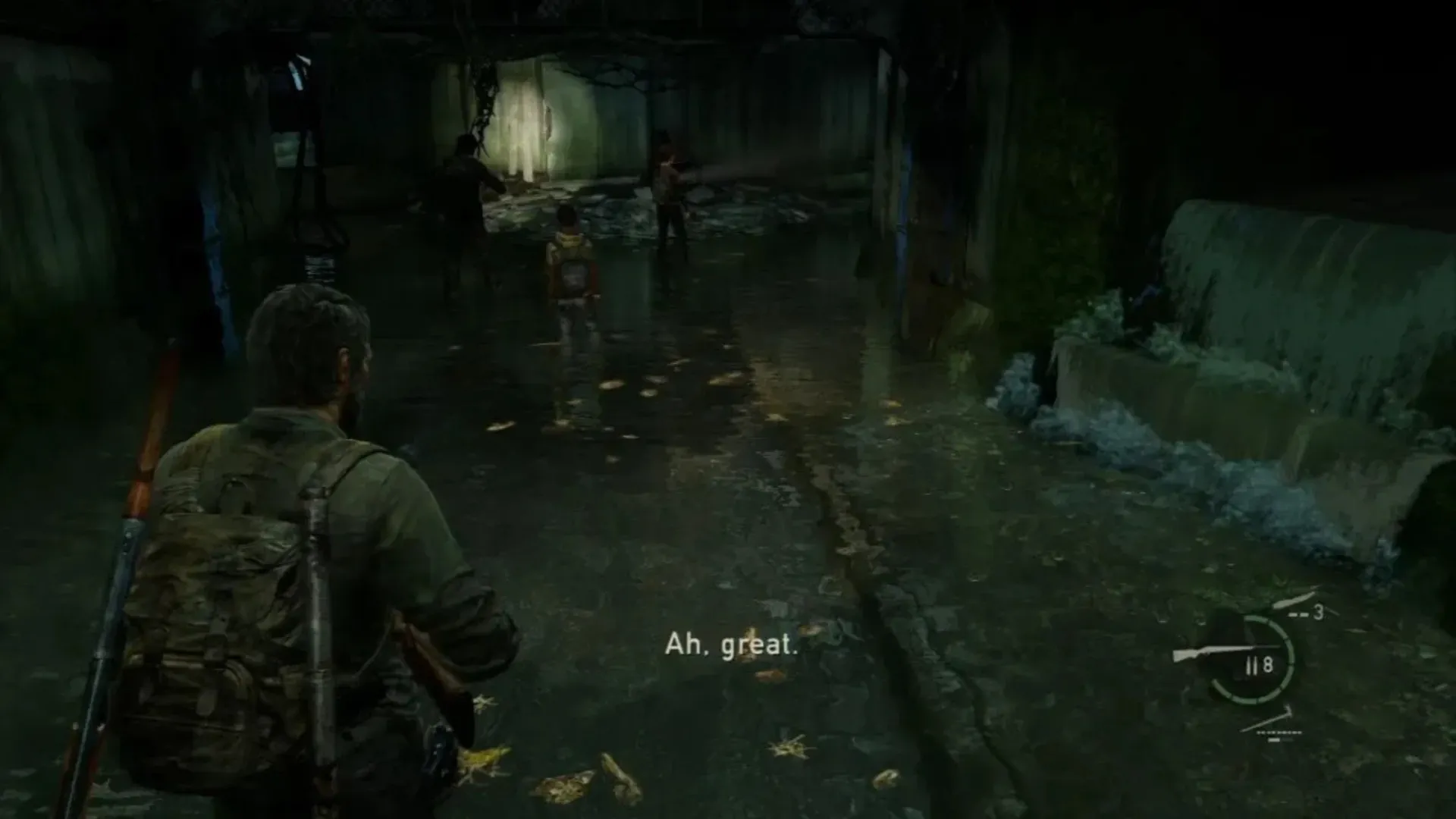
Beyond the story and the relationship between Joel and Ellie, The Last of Us is also an excellent stealth-action game. Ammunition and crafting supplies are limited, so you have to use them carefully. You cannot simply walk into every room and start shooting everyone.
Bottles can distract enemies, bricks can stun them for Joel to attack up close, and staying hidden saves ammunition. If you are spotted, enemies move around cover and force you to change position. A quiet approach can quickly turn into a gunfight that costs several bullets and a health kit.
Crafting makes your supplies even more important. Health kits and Molotov cocktails, for example, both need alcohol and rags. Making one can therefore leave you without enough materials for the other.
You also have to make those decisions under pressure because opening Joel's backpack does not pause the game.
The combat becomes more demanding on higher difficulties, where ammunition and crafting materials are harder to find. I often avoided enemies simply because killing them was not worth the bullets.
That is what still makes the combat work so well. The shooting itself is fairly simple, but deciding when to fight, when to stay hidden and what resources to spend keeps encounters tense.
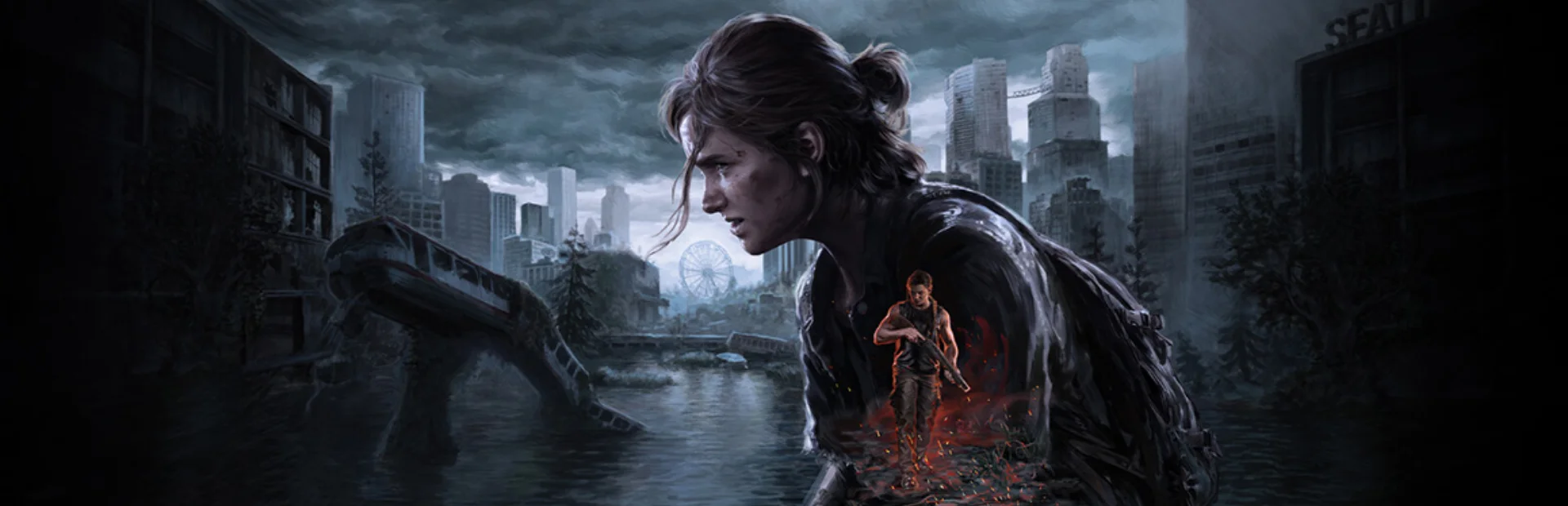
An abandoned world that is worth exploring
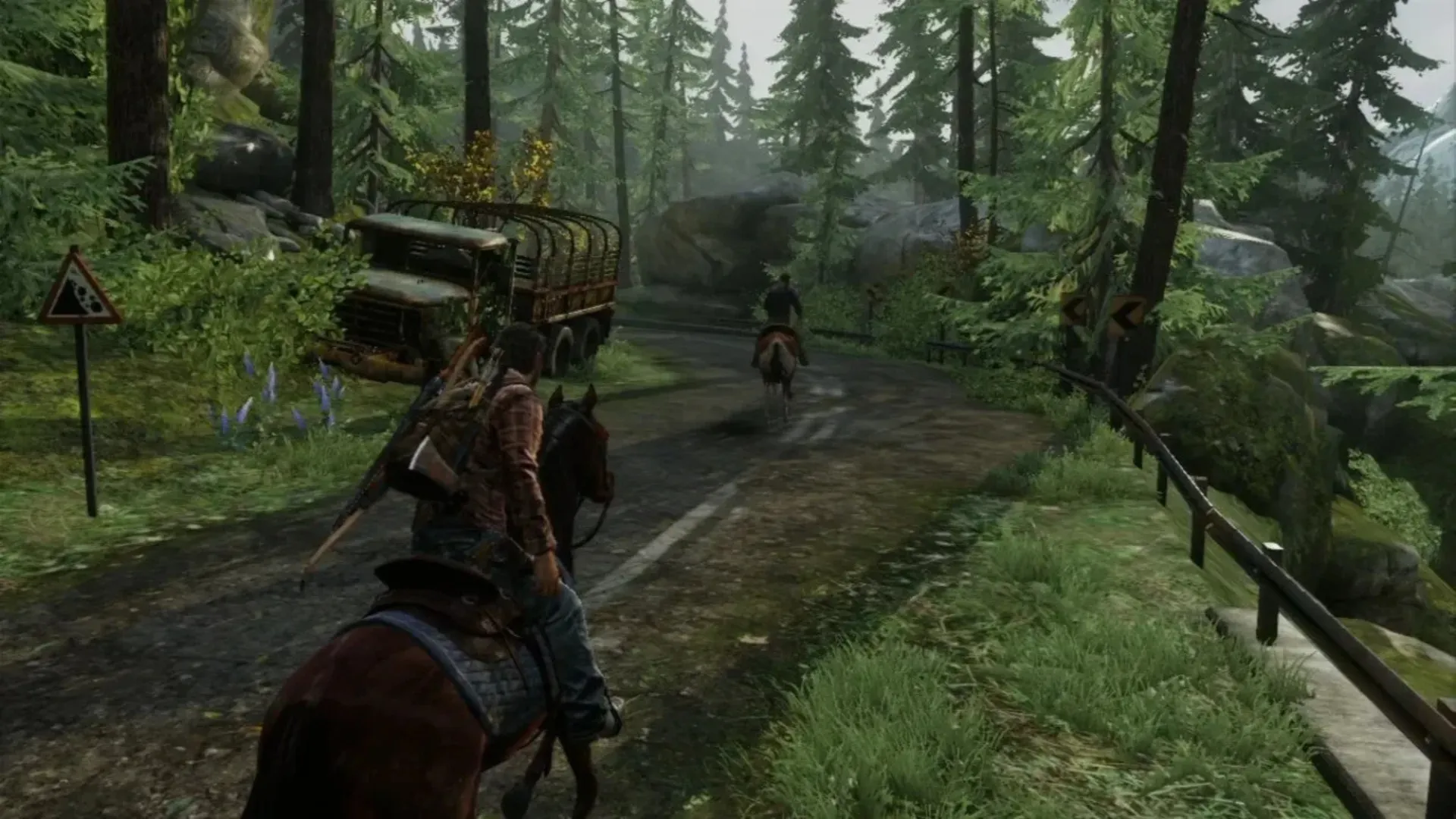
The Last of Us is just as strong when you are exploring as when you are fighting. Searching abandoned buildings often starts with looking for ammunition or crafting materials, but there is usually more to find than supplies.
Notes, photographs and personal belongings show what happened to the people who lived there before Joel arrived. The sewer settlement connected to Ish is one of the best examples. Letters and children's drawings reveal how a group of survivors tried to build a community underground, and you learn what happened by exploring the rooms they left behind.
The environments also change enough to keep the journey visually interesting. Overgrown city streets give way to woodland, suburbs and snow, while Part I adds far more detail to damaged interiors, vegetation and lighting.
Gustavo Santaolalla's score is used sparingly, which suits the quieter parts of the journey.
Long stretches are left to footsteps, distant infected and conversations between Joel and Ellie. When the music does return, it gives those moments more weight without constantly telling you how to feel.
Exploring rarely feels like time spent between fights. The abandoned places are often interesting enough to be a reason to slow down on their own.
The ladders still slow everything down
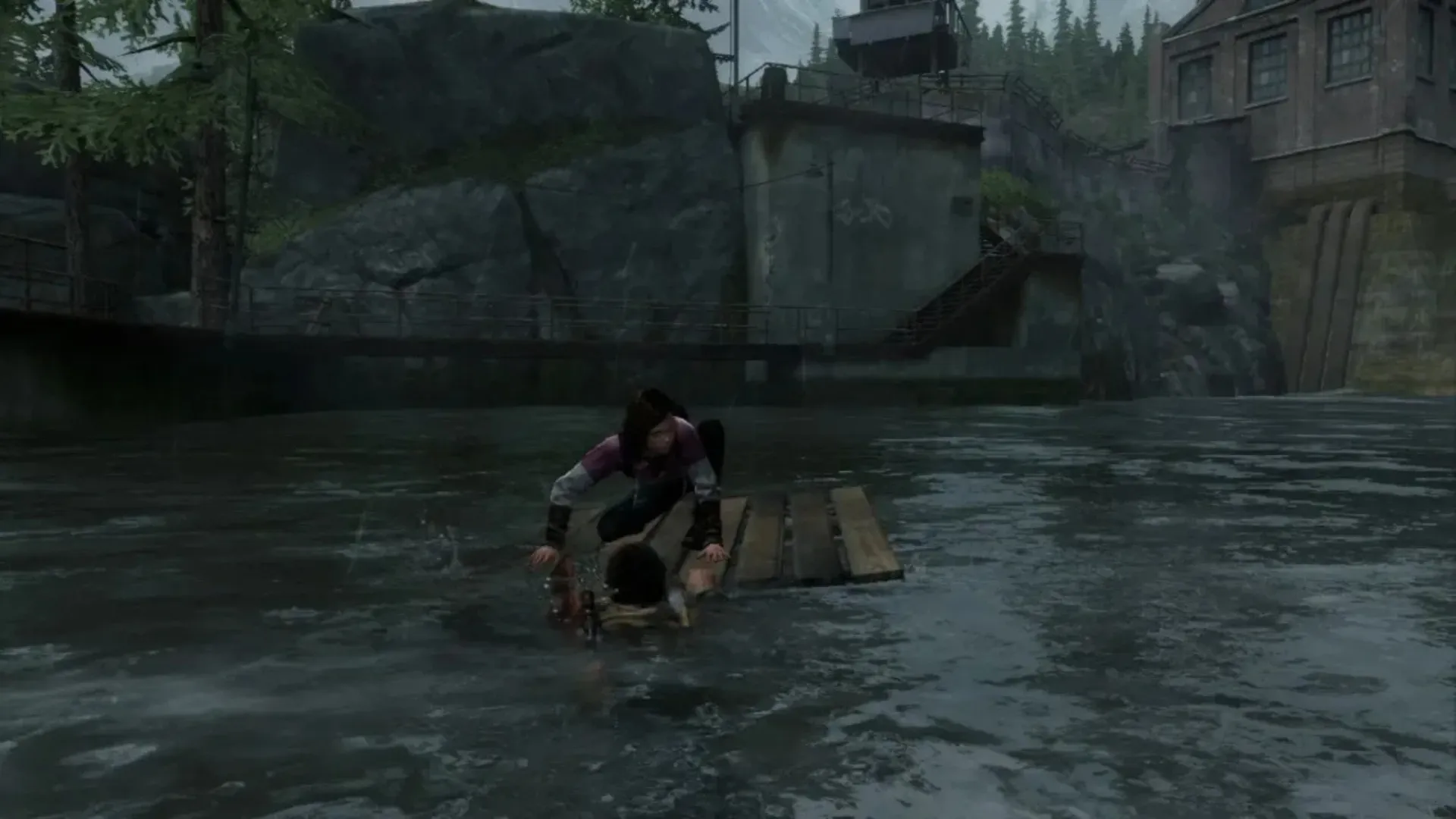
The story, combat and exploration still hold up well. The traversal is where The Last of Us shows its age most clearly.
Your destination is usually obvious, and sometimes you could almost walk straight to it. Instead, the game asks you to find another ladder or wooden plank, carry it over and put it in exactly the right place before you can continue. After a while, seeing a ledge just out of reach is enough to know what comes next.
The same happens whenever Ellie needs to cross water. She cannot swim, so Joel has to find a floating pallet, ferry her to the other side and then find his own way across. Doing this once or twice is fine. Doing it again and again becomes irritating, and eventually very predictable.
That repetition stands out because exploring the world itself is rarely boring. Searching a building can lead to supplies, notes or another conversation with Ellie. Searching the same area because the game has hidden a ladder somewhere nearby is much less interesting.
Joel can also feel stiff to control, particularly in tight spaces or when several enemies surround him. It is rarely enough to ruin a fight, but together with the ladders, planks and pallets, it is one of the clearest reminders that The Last of Us is already 13 years old.
The Last of Us still holds up remarkably well
More than a decade later, the parts of The Last of Us that matter most have aged far better than its ladders and traversal puzzles. Joel and Ellie remain excellent characters, exploring the abandoned world is consistently rewarding, and limited ammunition keeps combat tense without turning the game into a full survival experience.
Those upgrades cannot hide every part of the 2013 design, but they do give its strongest elements a much better presentation. The repeated traversal sections are easy to criticise, Joel and Ellie's journey is much harder to leave behind.
The Verdict
The Last of Us is still an excellent story-driven action game. Joel and Ellie remain the main reason to play, while the stealth, limited resources and abandoned world still hold up remarkably well. The repeated traversal sections and stiff movement have aged, but they are not enough to drag the game down. More than a decade later, The Last of Us is still easy to recommend.
The Good
- +Joel and Ellie's relationship develops naturally across the journey
- +Limited ammunition and crafting supplies make combat more tactical
- +Exploring abandoned buildings often leads to worthwhile stories and details
- +The changing environments and sparse soundtrack still hold up well
The Bad
- -Ladder, plank and water sections become repetitive
- -Joel can feel stiff to control, especially in tight spaces
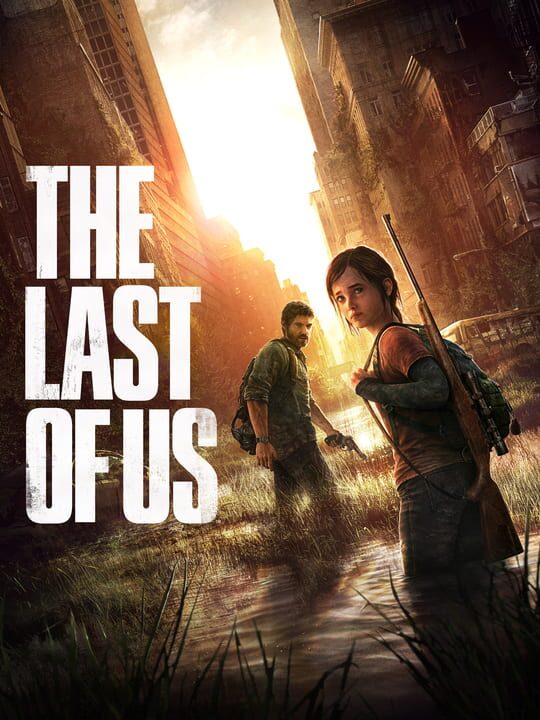
The Last of Us
The Last of Us is a third-person action-adventure game featuring a mix of exploration, stealth and combat. Players face both infected creatures and hostile human enemies while progressing through varied environments. The game includes a narrative-driven single-player campaign and
Released
June 14, 2013
Developer
Naughty Dog
Publisher
Sony Computer Entertainment


Tagged In
Discussion
0We want to hear from you. Share your perspective in the comments below, and please keep the conversation respectful.
Log in to join the discussion - vote, reply, and share your take.
Log In