
Who Is Scump? The King of Call of Duty
Meet Seth “Scump” Abner, the Call of Duty legend who won 30 majors, became world champion with OpTic and turned retirement into a huge CDL watch-party career.
In Call of Duty, there is one player everyone simply calls "The King." Seth "Scump" Abner earned that title the hard way, spending well over a decade as the most famous and most feared player in competitive Call of Duty, and arguably the most recognizable console esports player who has ever lived. For a generation of CoD fans, Scump was the face of the entire scene.
Then he did something that could have ended his relevance and instead multiplied it. After a legendary run with OpTic Gaming, he retired from competition to become a full-time content creator.
The gamble paid off spectacularly. Today, his independent watch parties for the Call of Duty League routinely outdraw the League's own official broadcast, often by a wide margin.
He walked away from playing and somehow became even more central to the sport. This is the story of gaming royalty that never really left the throne.
The Quick Profile
- Real name: Seth Abner
- Age: 31 (born June 30, 1995)
- Nationality: American
- Main game: Call of Duty
- Notable achievements: 2017 World Champion, 2x X Games gold medalist, 30 major championships
- Twitch followers: more than 1.5 million
- YouTube subscribers: more than 2.6 million
Building the OpTic Dynasty
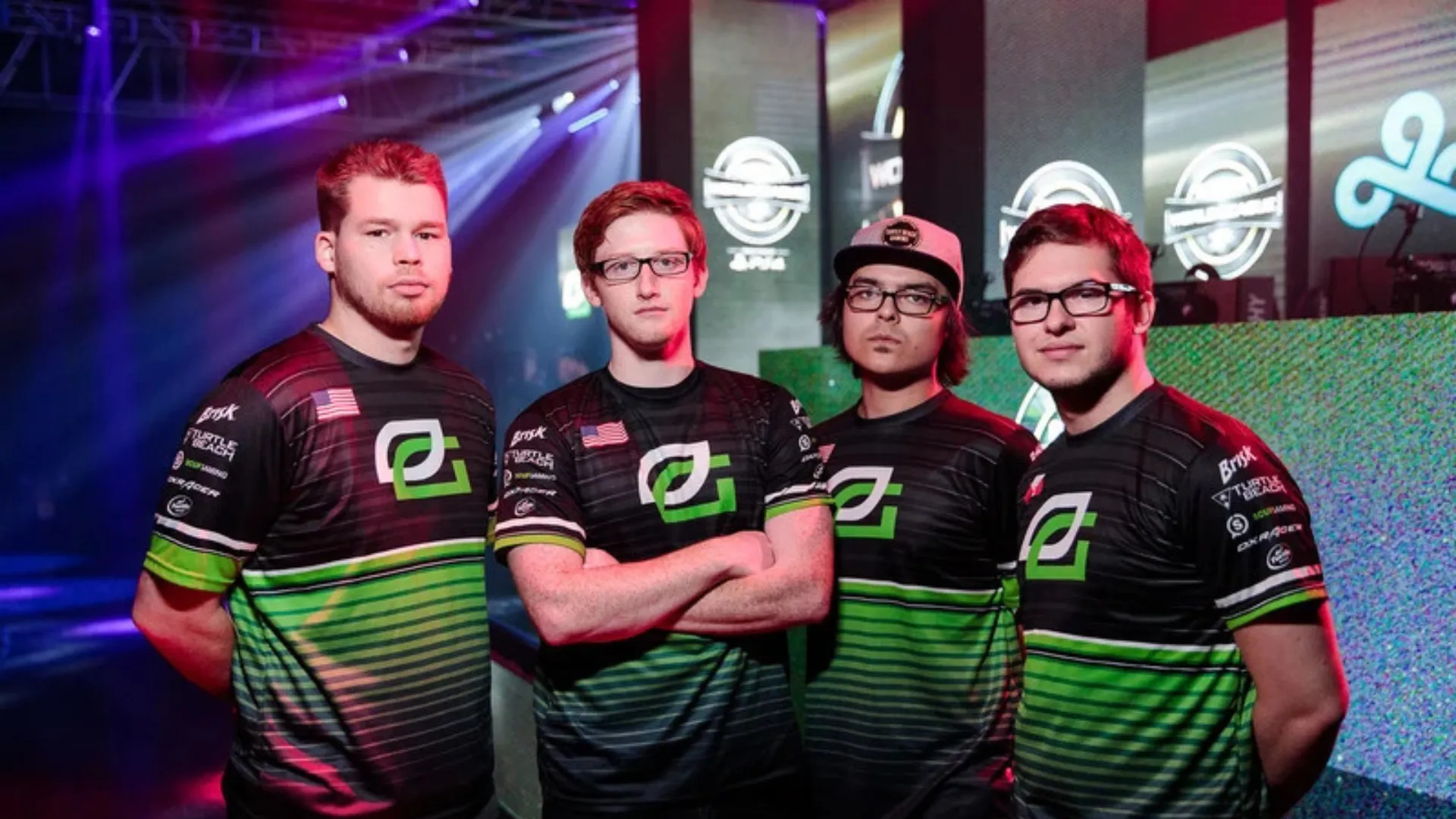
To understand Scump, you have to understand OpTic Gaming and its rabid fanbase, the Green Wall. Scump did not just play for OpTic, he was OpTic, and a huge share of that legendary fanbase was built on the back of his play.
Through titles like Black Ops II and Advanced Warfare, his hyper-aggressive, highlight-reel submachine gun style made him appointment viewing and turned the Green Wall into the loudest crowd in esports.
To this day he is regularly named the greatest SMG player the game has ever produced.
For all that individual brilliance, one prize kept slipping away: the World Championship. Year after year, at the biggest tournament of the season, Scump and OpTic fell agonizingly short, and the drought became a storyline in itself.
Then, in August 2017, it finally happened. Scump captured the Call of Duty World Championship at last, alongside teammates FormaL, Karma, and Crimsix, in a win that instantly became one of the most celebrated moments in CoD history. After years of heartbreak, the King finally had his crown.
The Sudden Retirement
Scump had planned for the 2023 season to be his final one, a farewell tour. It did not play out that way.
In January 2023, midway through the Modern Warfare II season, he shocked the community by announcing he was retiring immediately, walking away with the season still in progress rather than finishing his planned last year.
For a player of his stature to step down mid-season was almost unheard of.
His reasoning was that after a decade of daily scrimmages, and the relentless grind of practice required to stay at the very top, had taken a real mental toll, and he was burned out on the competitive treadmill.
He also recognized that his genuine passion had quietly shifted. What he loved most was entertaining his enormous live audience, and he could do that without the constant stress of professional matches hanging over him.
Rather than force one more season, he chose to step aside, partly to let a new generation of players take the spotlight, and lean fully into content.
The Co-Streaming King of the CDL
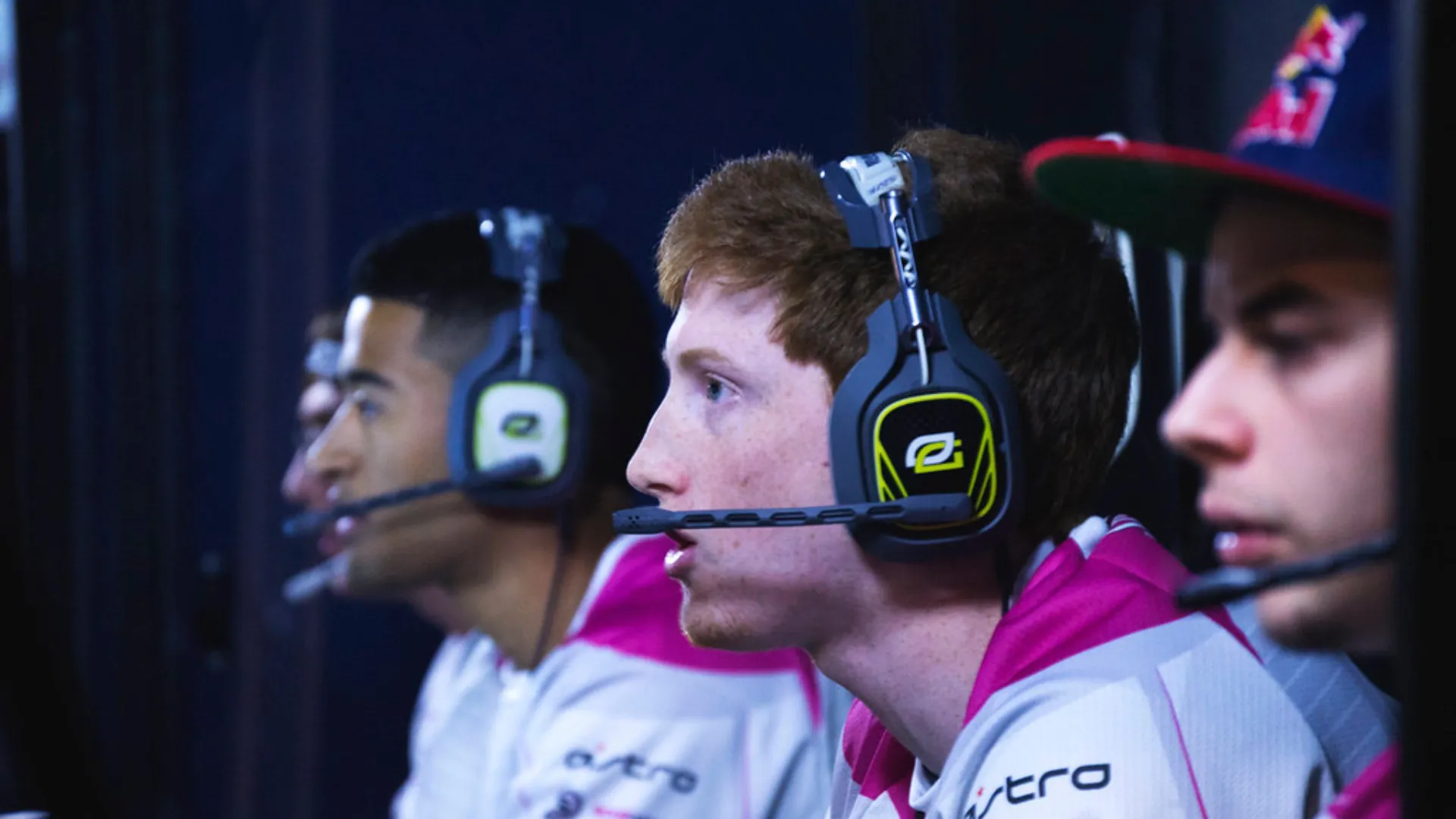
What happened next reshaped how Call of Duty is watched. Scump pointed his massive following at the Call of Duty League through watch parties, live co-streams where he reacts to official matches in real time, and he took over the sport's viewership almost overnight.
His very first watch party, days after retiring, drew a peak around 95,000 viewers, roughly 30,000 more than the CoD League's own official channel was pulling at the same time.
The appeal is obvious the moment you compare the two. The official broadcast is polished and professional. Scump's stream is unfiltered, hilarious, and packed with the insight of a player who has lived every moment of pressure these teams are feeling, often alongside co-hosts like fellow OpTic creator and former pro Methodz.
For a lot of fans, his stream simply is the CDL broadcast now. Community co-streamers have grown so dominant that they account for nearly half of all viewership at major CDL events, and at the 2025 Championship his watch party peaked north of 173,000 viewers, the biggest stream of his career.
The knock-on effect is enormous. Scump is the single biggest draw pulling a huge casual audience into the competitive scene, keeping the League relevant to hundreds of thousands of people who might otherwise never tune in.
A retired player has become one of the most important figures in the sport's continued survival, which is about as Scump as it gets.
The Setup Behind the King
Scump has spent his career on controller, so his setup is built around fast movement, quick reactions, and keeping both thumbs on the sticks during a gunfight. His controller remains the most important part of that setup, with audio and low-latency in-game settings supporting the same aggressive playstyle.
The Hardware
- Controller A SCUF controller with rear paddles, allowing him to jump, slide, and drop-shot without taking his thumbs off the analog sticks.
- Headset A high-end gaming headset, historically associated with Turtle Beach, used to pick out footsteps and other positional audio during competitive matches.
The Call of Duty Settings
- Rear Paddles Movement actions are assigned to the back of the controller so Scump can keep aiming while performing advanced movement.
- Aim Response His setup favors a responsive aim curve designed to make stick inputs feel immediate.
- Deadzones Low deadzones reduce the amount of stick movement required before the game registers an input, helping with small aim adjustments.
- Playstyle Tuning The overall configuration suits the fast, aggressive SMG playstyle Scump became known for throughout his competitive career.
Exact sensitivity, deadzone, and aim settings can change between Call of Duty titles and updates. If you want to copy Scump's current configuration, use a recent settings tracker rather than relying on numbers from an older game.
The Face of the Franchise
Scump's real legacy is bigger than his trophy cabinet, stacked as that cabinet is. He did not just play Call of Duty at the highest level for over a decade, he built the culture around it and turned a fanbase into a movement.
His seamless move from the best player in the room to the biggest voice watching from outside it proves a simple thing: true gaming royalty never really retires.
Scump stepped away from competing and only grew larger, and the crowd followed him every step of the way.
Discussion
0We want to hear from you. Share your perspective in the comments below, and please keep the conversation respectful.
Log in to join the discussion - vote, reply, and share your take.
Log In