
How a European Legal War Could Break the Console Market
Lawsuits in the Netherlands and UK target Sony's 30 percent cut and digital pricing, and the outcome could make the next PlayStation far more expensive.
Why does a digital game, which requires no plastic box or shipping, often cost significantly more than a physical copy? That exact frustration has sparked a multi-billion dollar legal battle in Europe that could completely change how you buy your games.
In the Netherlands, a foundation is chasing more than 400 million euros on behalf of roughly 1.7 million PlayStation owners. In the United Kingdom, a claim worth around 2 billion pounds has already gone to trial and is now sitting with the Competition Appeal Tribunal, waiting on a judgment that could land any month.
Both cases take direct aim at a system where Sony locks you in and takes a 30 percent cut from every single purchase. What started as players venting about high prices is now a serious lawsuit that could finally force the digital store wide open.
The Captive Audience and the "Sony Tax"
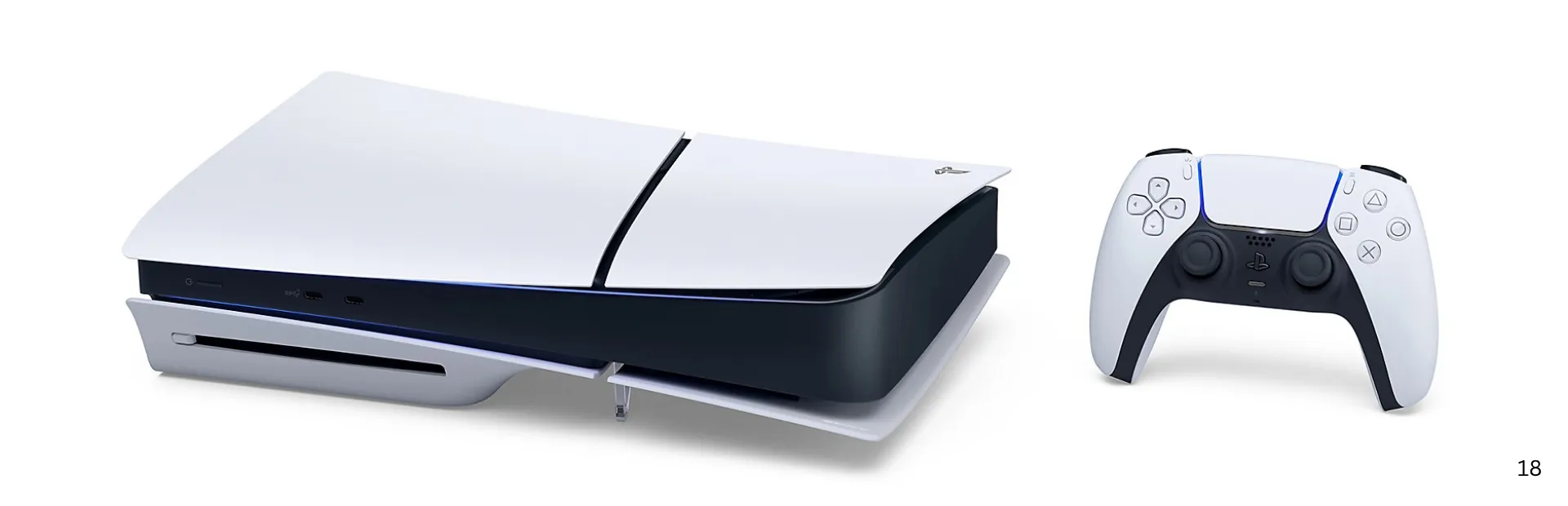
The Dutch lawsuit, brought by Stichting Massaschade & Consument under the banner "Fair PlayStation", makes a very simple point. According to their research, a digital PlayStation game costs an average of 47 percent more than a physical disc. Sony will undoubtedly challenge those numbers, but the core reality of paying a massive digital premium is hard to deny.
Here is how it works. Physical games are sold by competing retailers who undercut each other constantly, which is what drags prices down. Digital PlayStation games are sold in exactly one place, by Sony, at a price Sony ultimately controls.
When Sony stopped third-party retailers selling digital codes in 2019, the last bit of pricing competition went with them. Add the 30 percent commission that publishers bake into their prices, and you get what the foundation calls the Sony tax.
Now put that next to the fact that Sony will stop producing physical discs for new PlayStation games from January 2028. When the discs go, so does the second-hand market, the trade-in, the lending, and the bargain bin.
The claim is that gamers are essentially held hostage. You pay full price for the hardware, only to get stuck with a single digital store where Sony dictates every price tag. The Dutch court heard opening arguments on June 29 and must first decide whether the foundation can represent those 1.7 million players before it touches the substance.
In a country where more than 80 percent of console households own a PlayStation, that is a lot of people to keep locked in one shop.

The Defense Nobody Wants to Hear
Now the other side, because it is genuinely strong and it tends to get shouted down. Building a modern console is a brutal financial bet. Platform holders have long sold hardware at or below cost, especially early in a generation, eating the loss to build an install base big enough to attract developers. The machine under your TV was almost certainly subsidized.
Subsidized by what, exactly? By the 30 percent. That commission essentially subsidizes the hardware cost upfront, and it is why the console business has never worked like the PC market.
We actually know this for a fact thanks to recent court battles. Microsoft admitted under oath in 2021 that it has never made a single cent of profit selling Xbox hardware. Sony faced the exact same reality and intentionally sold the PlayStation 5 at a loss during its launch.
That 30 percent digital cut is the only thing keeping the physical box affordable. Force the PlayStation Store wide open, and the price of the console itself will have to shoot up to cover the difference.
The Precedent Is Already Here

Platform holders are watching this lawsuit closely for one simple reason. The mobile market just fought this exact same war, and it ended incredibly badly for the walled garden.
When Epic Games (creator of Fortnite) challenged Google over its store commission, a jury ultimately ruled against the tech giant. That decision led to some massive practical changes.
- Court orders forced Google to drop its 30 percent fee to single digits.
- Rival app stores are now legally allowed to operate right inside the Google ecosystem.
The court did not just crack the walled garden. It forced the gates wide open.
This exact situation is what European judges are looking at right now. If a court decides Sony must allow competing stores on the PlayStation, it creates a ripple effect for the entire industry.
Nintendo, Microsoft, and Valve all rely on similar models. One ruling will not change everything overnight, but the legal momentum is clearly shifting.
The Trade-Off Nobody Is Pricing In
So here is where I land. Both sides are telling the truth, and that is exactly why the solution is going to hurt.
The consumer frustration driving the massive Dutch lawsuit from Stichting Massaschade & Consument is completely justified. Their research shows players pay a massive premium for digital copies compared to physical discs. With Sony slowly phasing out disc drives entirely, players are officially getting trapped in a store with zero competition and zero resale rights.
Yet the platform defense holds equal weight. Erase that 30 percent digital tax and you immediately destroy the subsidy that keeps the physical console affordable.
The industry is barreling toward a massive reality check. We have to choose between a competitive digital market with fair game prices or highly subsidized hardware that costs less to buy than it costs to build.
We can no longer have both. European courts are about to make that choice for us, and the ultimate conclusion is crystal clear. Buying the next PlayStation will require a much bigger budget. We just have to hope cheaper digital games balance out the pain.
Tagged In
Discussion
0We want to hear from you. Share your perspective in the comments below, and please keep the conversation respectful.
Log in to join the discussion - vote, reply, and share your take.
Log In