
The 7 Best PvP Games
Discover the best PvP games for competitive multiplayer, from Rocket League and Counter-Strike 2 to Dota 2 and Street Fighter 6.
Facing a live opponent requires a completely different mindset than memorizing boss patterns in a solo campaign. A real rival adapts to your habits, punishes your predictability, and forces you to change your strategy on the fly.
That constant psychological friction is what separates a casual multiplayer mode from an obsession that lasts for years. From intimate fighting arenas where one missed block costs the round to tactical shooters where team economy dictates survival, these seven titles represent the absolute sharpest competitive gaming has to offer.
7. Dead by Daylight
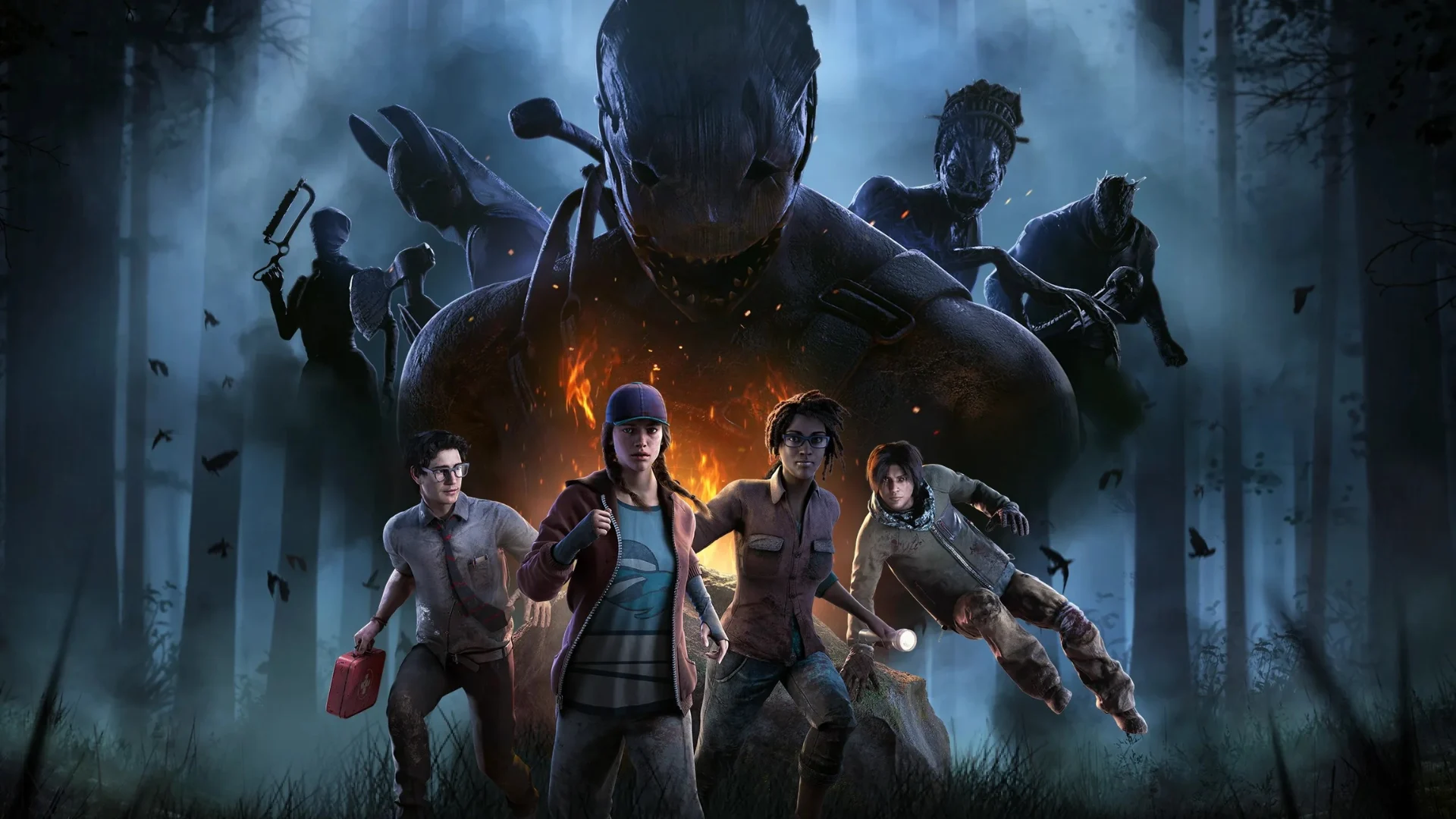
Dead by Daylight turns a dilapidated wooden shack into an agonizing psychological arena where a survivor and a killer gamble over precious seconds of clock time. Dropping a defensive wooden pallet too early destroys the safest structure on the map, while greedily running one extra lap around the loop risks taking a machete to the spine before you can vault the window.
Managing that terrifying pursuit is vital since three other teammates are desperately repairing electrical generators elsewhere, constantly weighing whether your chase has bought enough distraction to finish the objective.
Every unique killer completely rewrites those spatial rules, forcing you to unlearn your favorite escape routes the moment a teleporting nurse or a hatchet throwing huntress enters the trial.
It is a wildly asymmetrical horror game where surviving requires reading your opponent's mind just as much as watching their red stain.
6. Rainbow Six Siege X
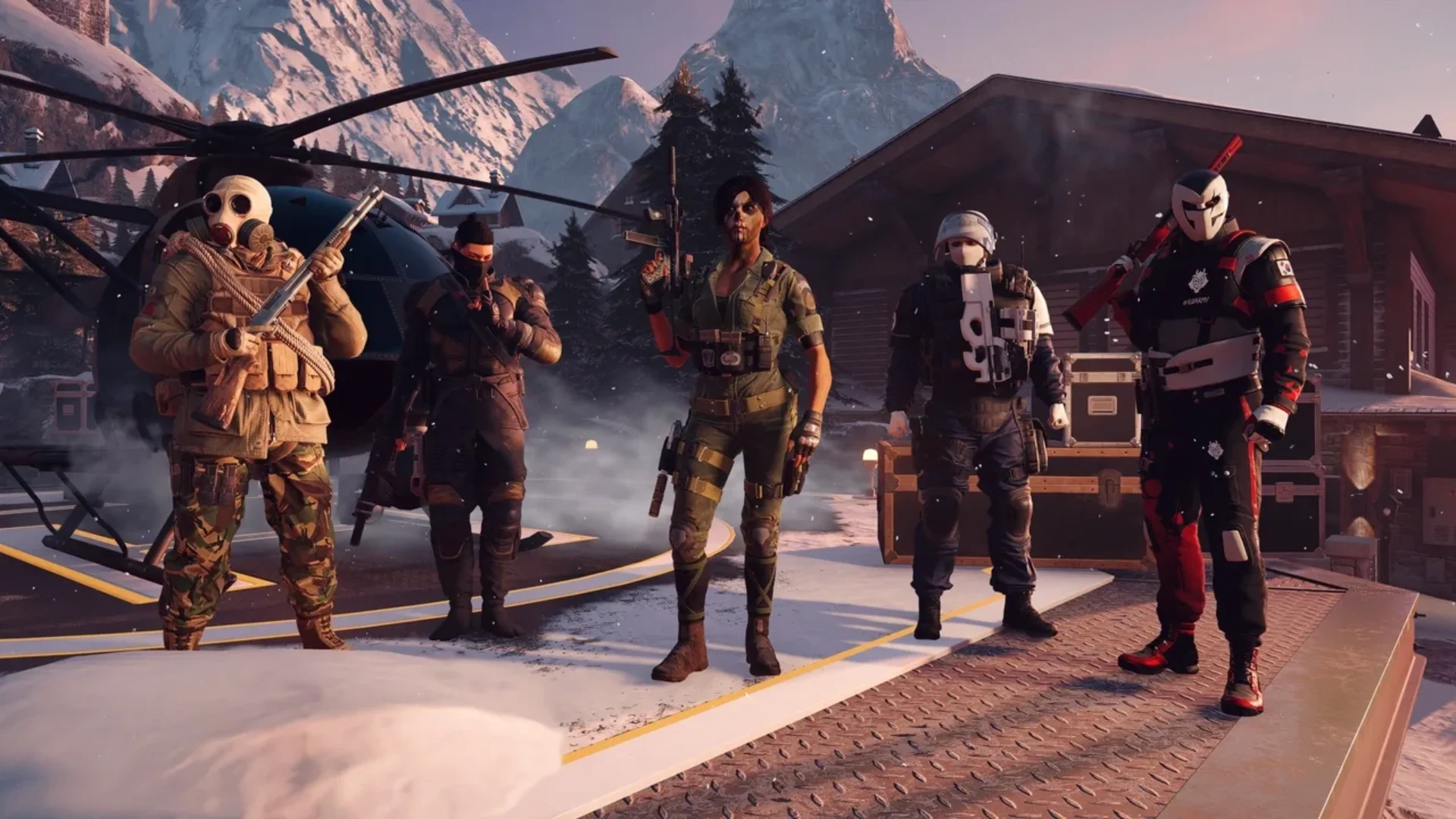
Rainbow Six Siege X turns close quarters tactical intervention into a lethal game of vertical architecture where breaking the ceiling above a defender is far deadlier than storming their doorway.
Slipping a reconnaissance drone beneath a desk to spot an enemy holding a fortified corridor allows your squad to place explosive charges through the floorboards and force them out of cover. Since almost every interior wall and ceiling can be shattered with gunfire, survival depends entirely on memorizing acoustic cues and predicting which impossible sightline is about to open up next.
Watching professional tournament teams dissect a reinforced bomb site feels like attending a masterclass in structural demolition.
It is an unsparingly cerebral shooter that rewards rigorous architectural preparation over a twitchy trigger finger every single time.
5. Fortnite
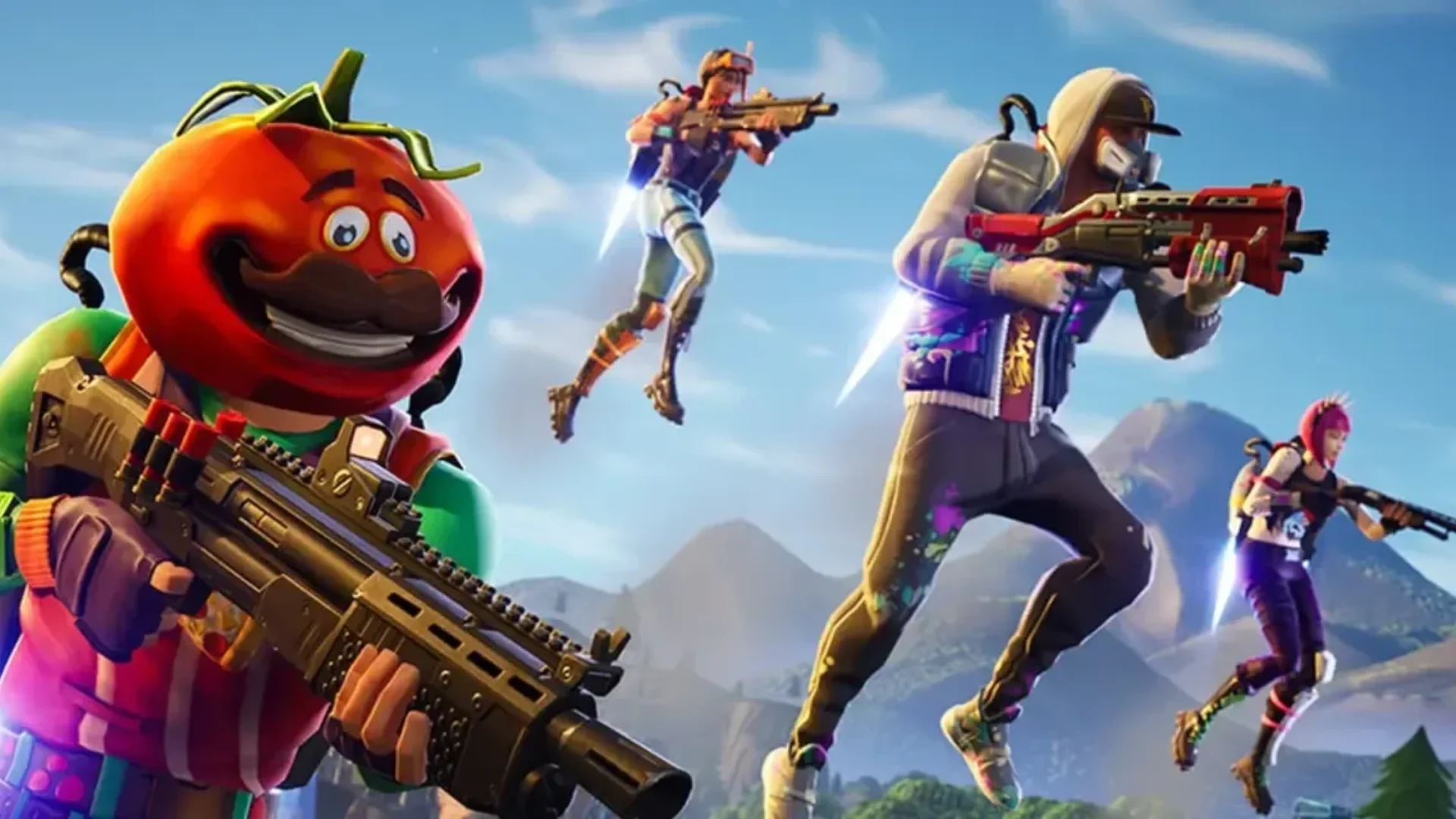
Fortnite sets itself apart in the competitive battle royale arena by turning a standard rifle skirmish into a blistering construction duel where the terrain disappears beneath your boots. When two skilled players collide, the fight instantly goes vertical as both competitors rapidly build defensive towers, edit wooden walls into sudden firing windows, and trap each other inside improvised boxes.
For players who prefer clean positioning over structural carpentry, the dedicated Zero Build mode strips away the building entirely to celebrate raw tactical awareness and sharp aiming mechanics.
Regular tournament streams thrive on that chaotic unpredictability, as a single well timed mobility item can launch a trapped squad across the map to steal high ground.
It is an endlessly adaptable arena that forces you to solve complex geometry puzzles while under heavy enemy fire.

4. Dota 2
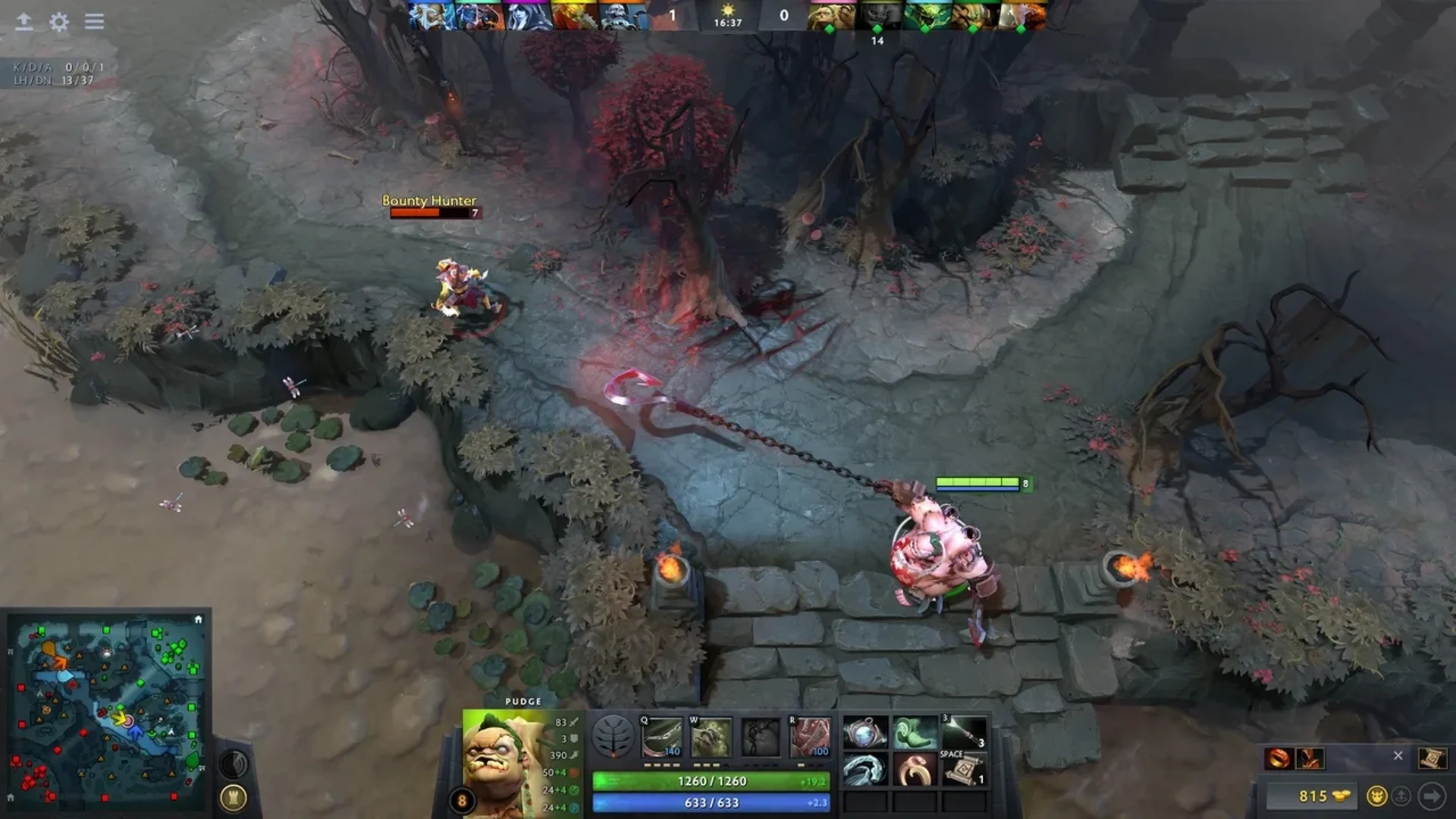
Dota 2 transforms multiplayer strategy into a ruthless war of deception where five players activate magical smoke to turn invisible and ambush an enemy carry in the river. That carefully orchestrated trap can still blow up in your face if a vigilant support player instantly triggers a defensive item to absorb your opening spell and turn the fight around.
Since every single hero is available to everyone from day one, competitive matches are won entirely during the drafting phase through clever counter picks and map control. Its flagship stadium tournament remains the pinnacle of esports tension precisely because five coordinated players can invent an entirely new tactical solution to a decade old scenario.
It is an uncompromisingly deep battlefield that demands thousands of hours of study before you ever feel truly in control.
3. Street Fighter 6
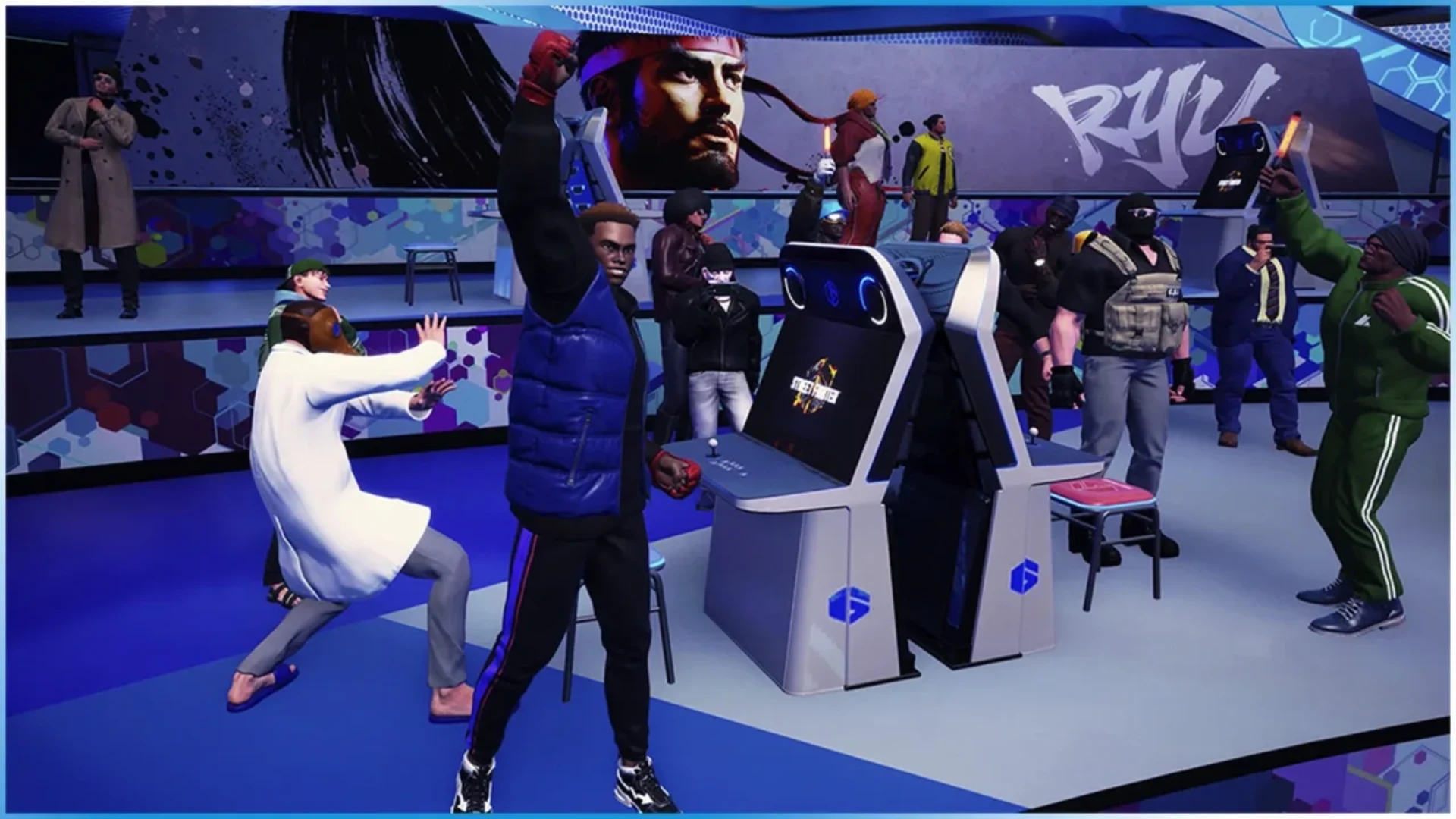
Street Fighter 6 elevates one on one fighting games by introducing a shared Drive Gauge that forces you to constantly gamble between impenetrable defense and overwhelming aggression.
Spending that meter on an explosive Drive Rush can extend a basic combo into a devastating corner trap, yet burning through your entire gauge leaves your character exhausted and defenseless against counterattacks. With intuitive modern controls allowing newcomers to execute special moves immediately, ranked lobbies function as a phenomenal training ground where every mistake is clearly explained by the system.
That transparent resource management makes tournament broadcasts electrifying to watch, since the crowd can see exactly when a fighter is one blocked punch away from total exhaustion.
It is a masterpiece of competitive game design that makes every microsecond exchange feel like a high stakes poker hand.
2. Counter-Strike 2
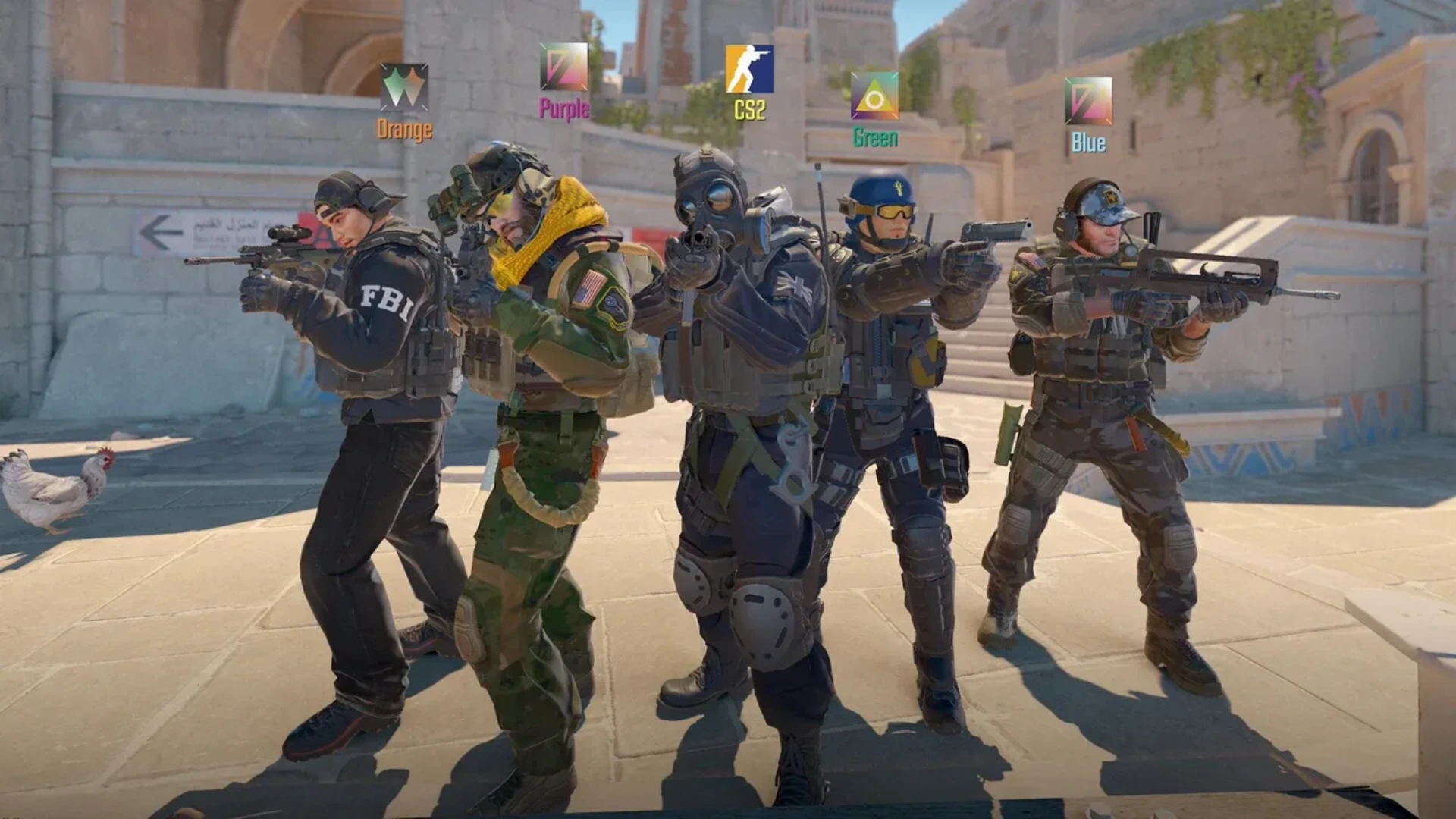
Counter-Strike 2 turns short tactical rounds into a suffocating test of financial discipline where buying a rifle without supporting smoke grenades can cost your team the entire match. Managing your team economy dictates when you must sacrifice a lost bomb site to save your remaining weapons, turning a tactical retreat into a vital investment for the next round.
Listening for heavy footsteps echoing through a concrete tunnel while controlling your rifle recoil creates an atmosphere of pure, relentless tension that no other shooter has ever replicated.
That clinical simplicity is exactly why it dominates the global esports landscape, allowing stadium audiences to instantly grasp the desperation of a team defending a site with cheap pistols.
It remains the absolute gold standard for competitive shooters, provided your nerves can endure the unforgiving pressure.
1. Rocket League
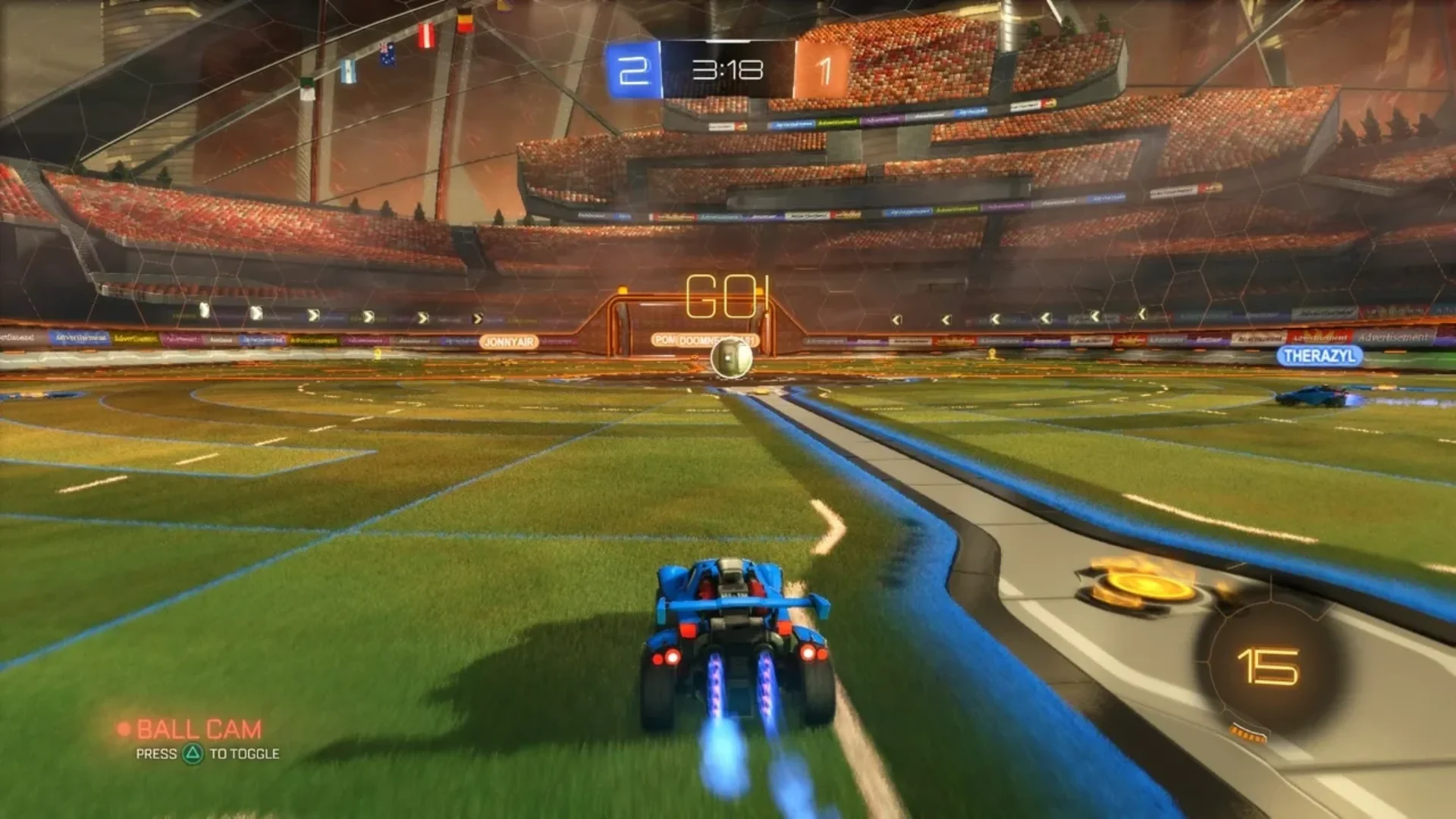
Rocket League strips multiplayer competition down to pure athletic physics by asking six rocket powered cars to contest a giant football inside a caged arena. The true genius of the match emerges once you stop blindly chasing the ball and start reading defensive wall bounces to anticipate where the play will flow three seconds later.
Since no car ever gains statistical power or speed through progression, winning an aerial duel above the goal mouth relies entirely on your personal boost management and mechanical muscle memory.
This utter transparency makes its professional tournament circuit look less like a video game broadcast and more like a traditional high speed stadium sport. It stands as the definitive competitive arena because it pairs perfectly fair starting conditions with an infinite ceiling for individual mastery.

Rocket League is a high-powered hybrid of arcade-style soccer and vehicular mayhem with easy-to-understand controls and fluid, physics-driven competition. Rocket League includes casual and competitive Online Matches, a fully-featured offline Season Mode, special “Mutators” that l
Released
July 6, 2015
Developer
Psyonix
Publisher
Psyonix


Tagged In
Discussion
0We want to hear from you. Share your perspective in the comments below, and please keep the conversation respectful.
Log in to join the discussion - vote, reply, and share your take.
Log In