Best boomer shooters
These retro-inspired FPS games use speed, secrets, and dangerous level layouts for more than a trip back to the 1990s.
The fastest way to misunderstand boomer shooters is to treat them as modern games wearing old textures. Pixelated enemies and keycard hunts are part of the appeal, but the stronger revival shooters remember what made early first-person combat exciting. Players move quickly, carry every weapon at once, and learn spaces by surviving the traps built into them.
This ranking focuses on modern games shaped by Doom, Quake, Blood, and Hexen rather than those classics themselves. The best selections do not simply reproduce their influences. They find new ways to connect movement, weapon choice, and level design without interrupting the action with gear scores or lengthy progression systems.
9. Warhammer 40,000: Boltgun
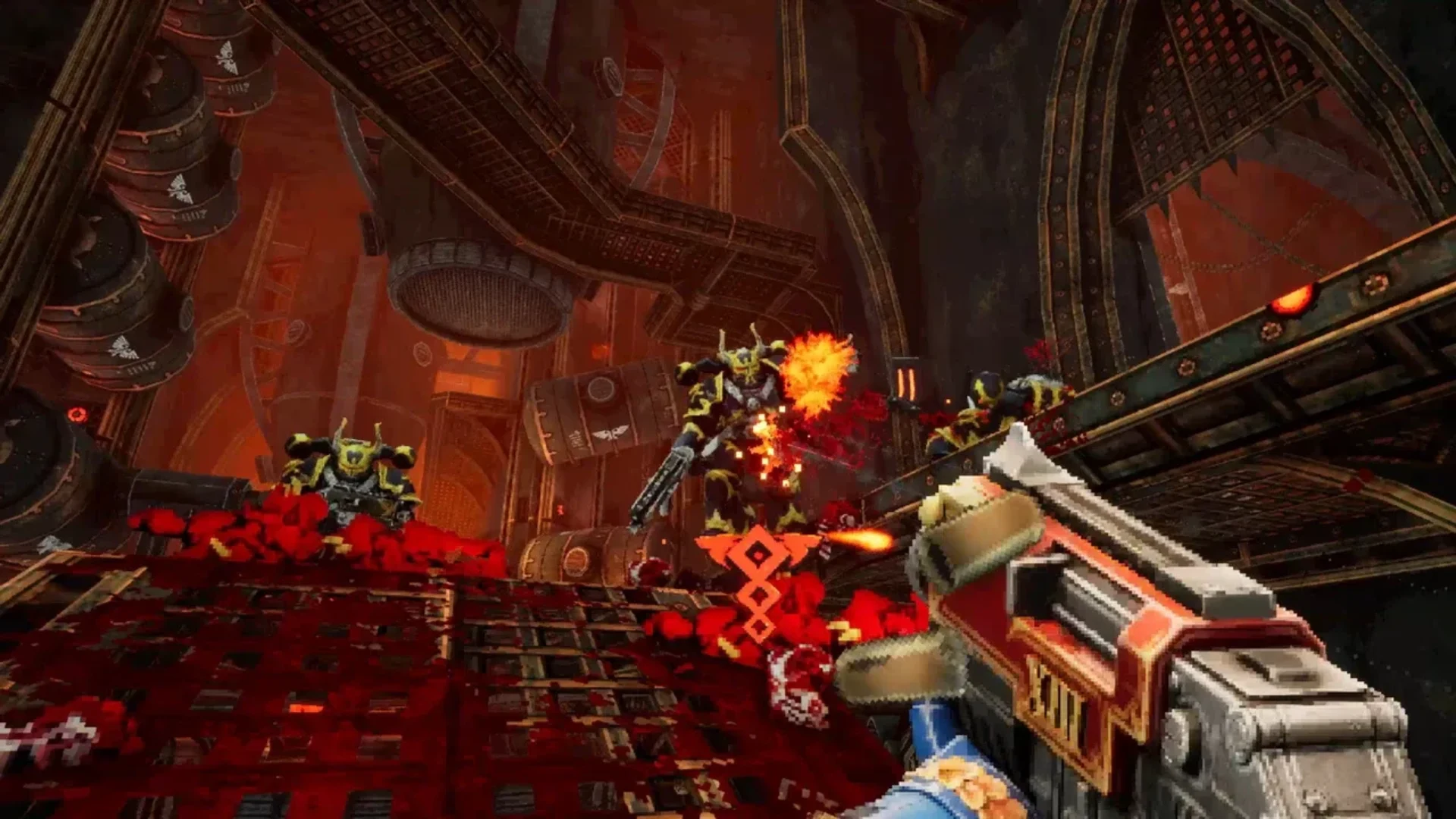
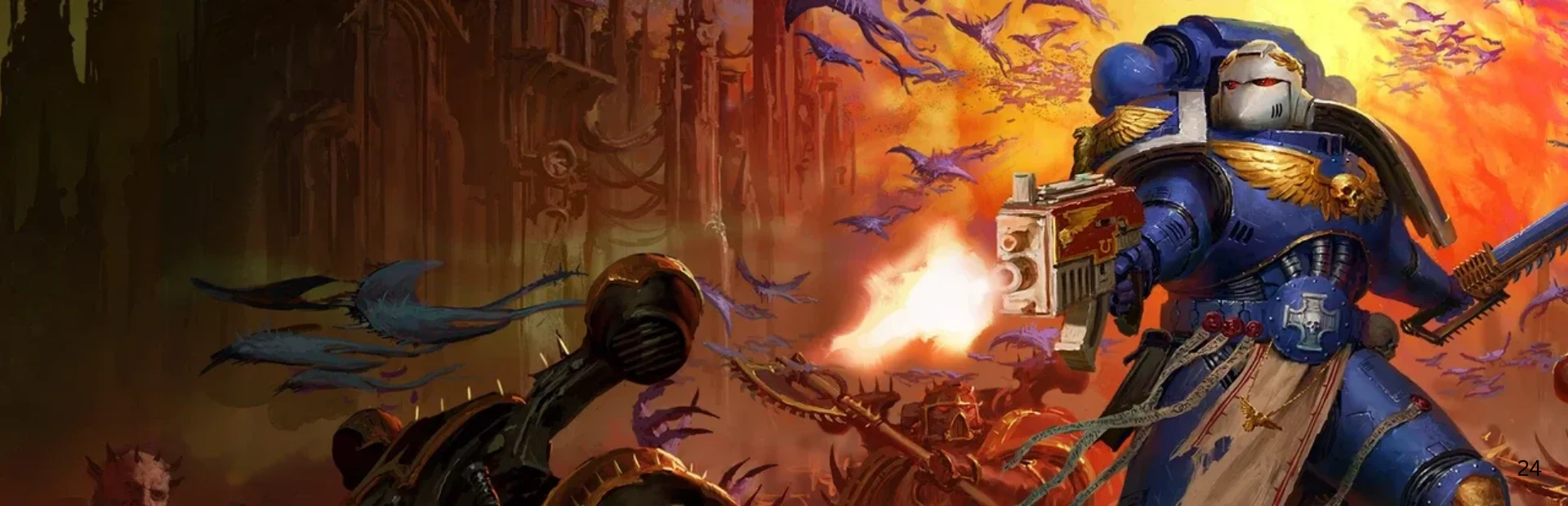
A Space Marine does not need to circle a battlefield cautiously in Warhammer 40,000: Boltgun. Malum Caedo moves at an implausible speed for someone wearing that much armor, firing oversized weapons while using a chainsword charge to close the distance to weakened enemies.
Each firearm has a strength rating that can be compared with an enemy's toughness. The system gives unfamiliar players a quick indication of whether the current weapon is appropriate without turning every encounter into a damage calculation. The boltgun itself has the necessary weight, while plasma weapons provide stronger answers to armored targets.
The campaign struggles to keep finding interesting places for that arsenal. Large maps sometimes hide the next door or switch inside spaces that are not distinctive enough to navigate confidently. Enemy groups also become repetitive before the final act. The shooting carries the experience, especially for players who want the Warhammer setting without learning its wider lore.
8. HROT
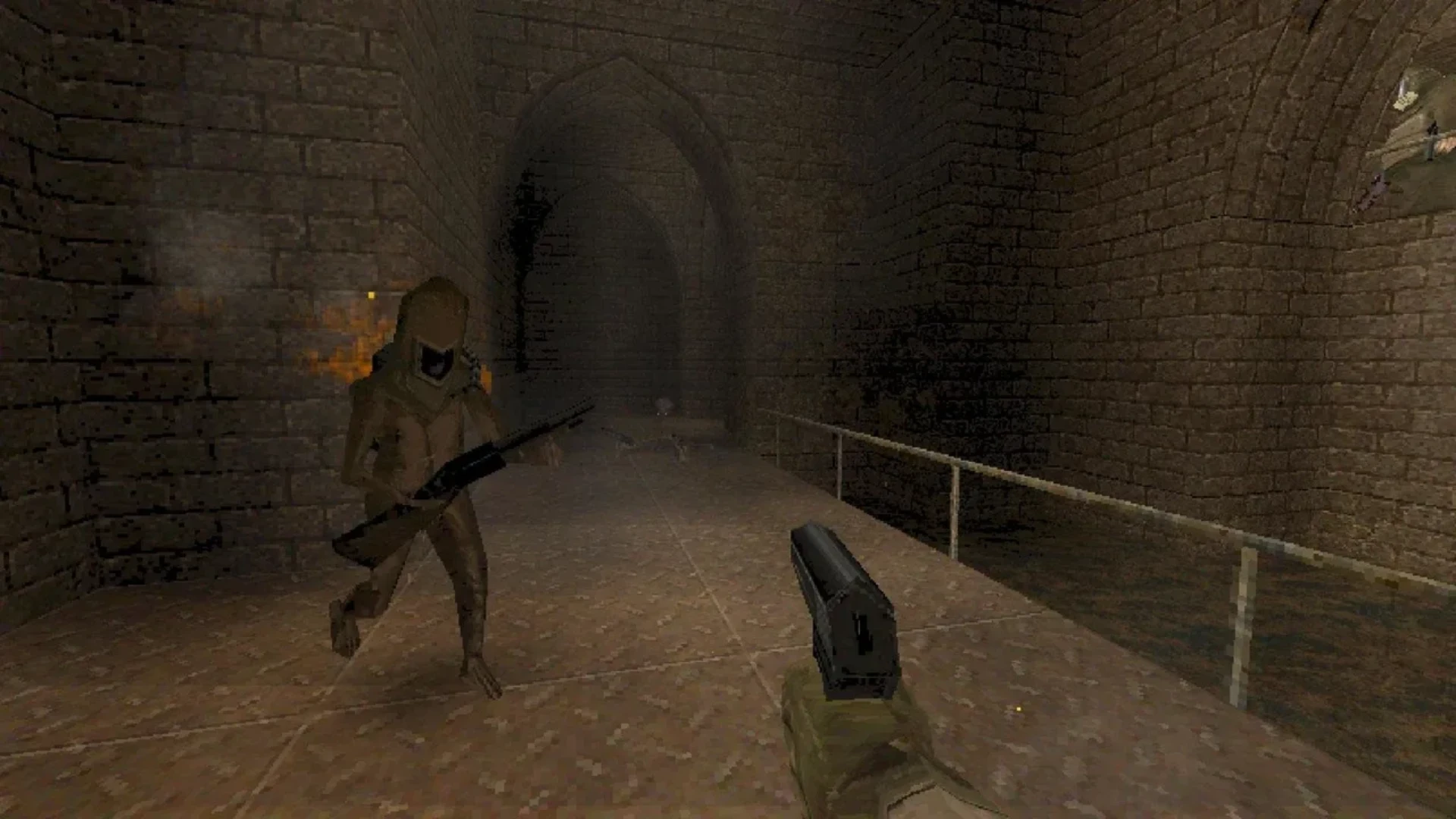
HROT sends a silent protagonist through an alternate 1980s Czechoslovakia filled with bunkers, apartment blocks, underground stations, and increasingly strange threats. Its brown palette initially looks restrictive, but the familiar public spaces give the game a character that brighter retro shooters often lack.
Levels are compact enough for a locked route to remain understandable. Rooms frequently reconnect from unexpected directions, while small environmental jokes interrupt the oppressive concrete without turning the entire game into parody. The setting becomes stranger with each episode, yet its architecture remains grounded in recognizable places.
The weapons are less memorable. Shotguns and automatic firearms perform their expected jobs, but the unusual late-game equipment is too limited to reshape combat. The first episode is also more coherent than parts of the later campaign. HROT belongs here because it uses regional history and dry humor to build something more specific than another descent into hell.
7. Prodeus
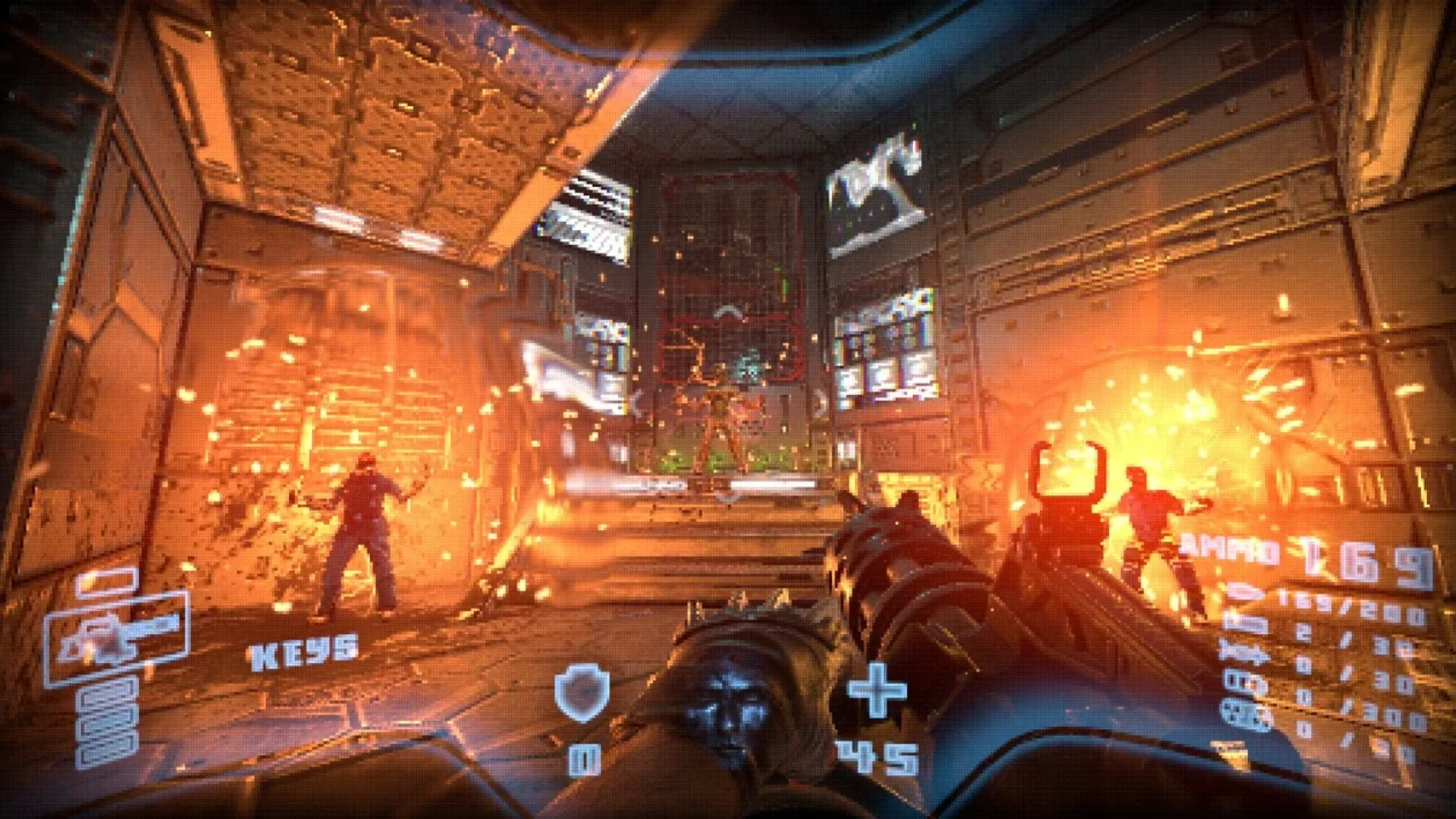
Prodeus covers industrial corridors in dense pixel effects while allowing the player to move and aim with modern precision. Its weapons tear through groups quickly, and the mixture of sprite-like enemies with detailed environments makes every arena look like an old shooter reconstructed from an exaggerated memory.
The strongest stages reveal new sightlines as the player advances. An elevated platform seen near the entrance may later become the route back to a locked door, while enemy portals repopulate spaces that appeared safe. Community-made maps extend that structure beyond the main campaign.
Its checkpoint system removes much of the pressure. Death returns the player to a Nexus Point while defeated enemies remain gone, allowing a difficult arena to be completed through repeated attrition. Restarting the level is always possible, but the default structure weakens the satisfaction of learning an encounter cleanly. Prodeus looks relentless even when its consequences are unusually forgiving.
6. Ion Fury
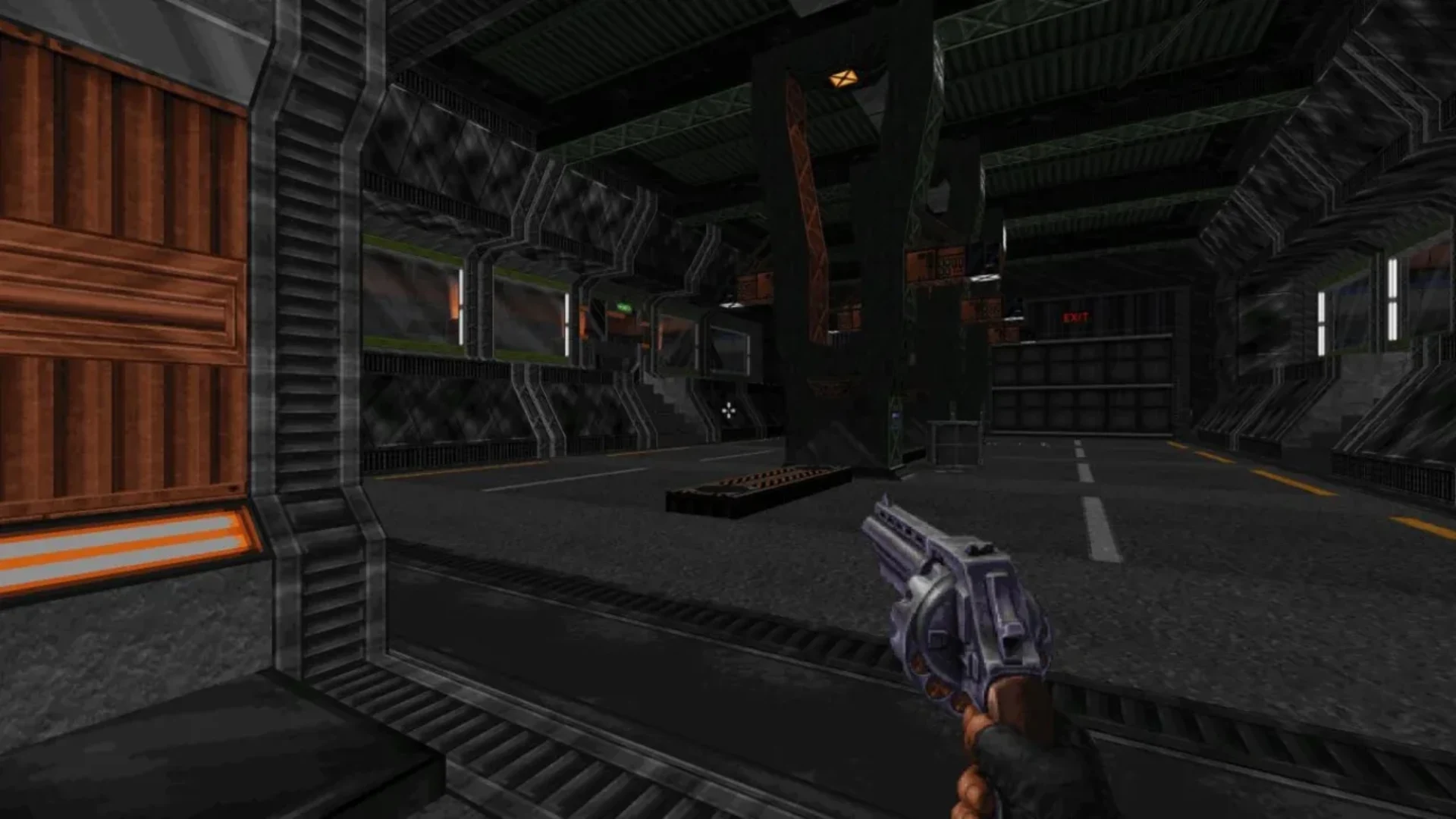
Washington, D.C. becomes a dense network of bars, offices, streets, maintenance tunnels, and hidden rooms in Ion Fury. Shelley Harrison moves through these spaces with the speed of a Build Engine protagonist, using familiar firearms that gain personality through useful secondary functions.
Her Loverboy revolver can lock onto several targets before firing a rapid sequence of shots. Bowling bombs roll around corners and pursue nearby enemies, turning an apparently unsafe hallway into a place that can be attacked without entering it. These tools suit levels where danger often waits beyond the next doorway.
The same complexity can make navigation tiring. Some areas are so large that finding one missed key or switch requires a long search through rooms that already appear complete. Shelley's repeated one-liners also imitate an aspect of 1990s shooters that was never as charming as developers remember. The maps remain impressive because they feel constructed as real locations without surrendering the shortcuts and secrets the genre needs.
5. Amid Evil
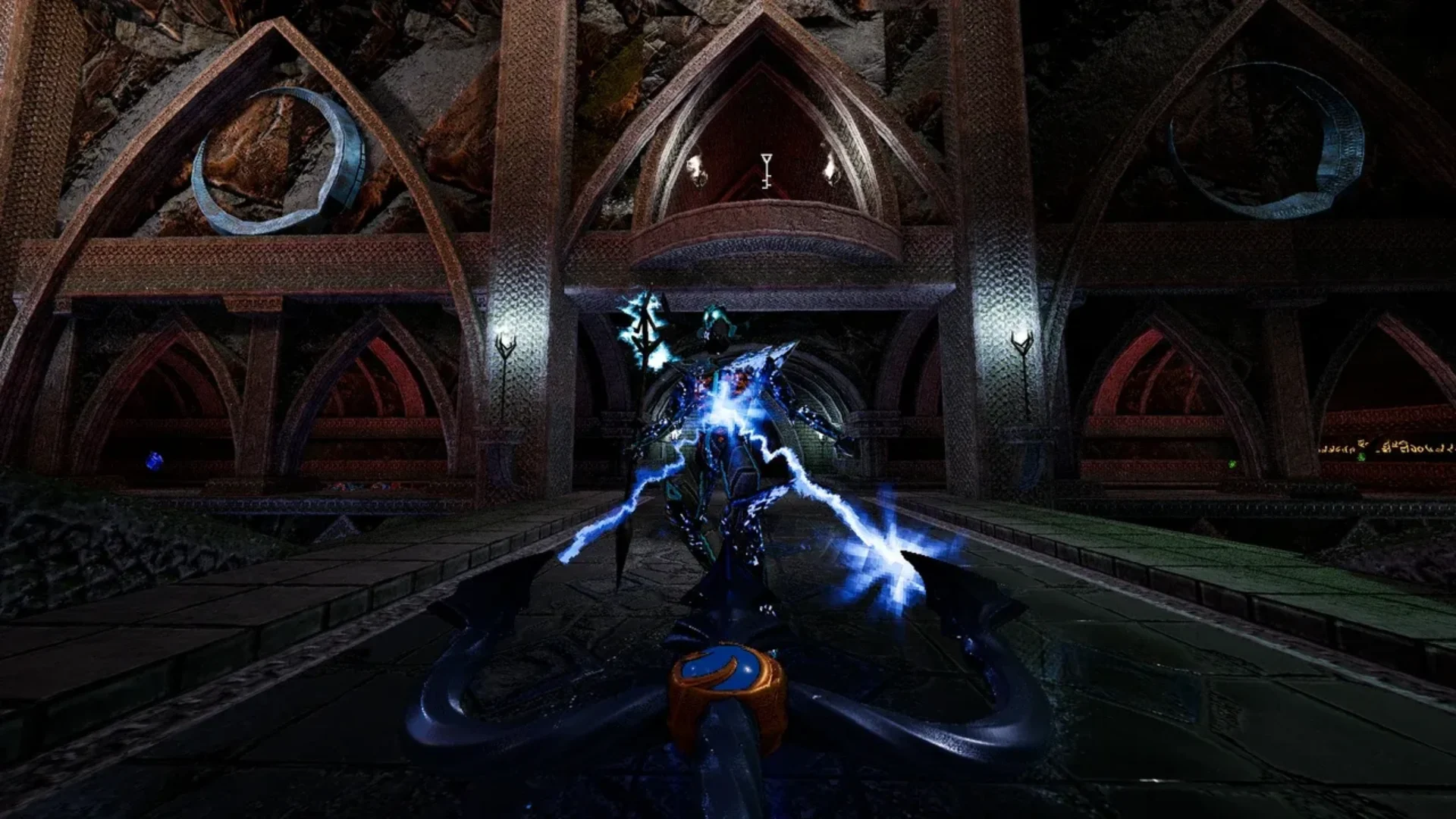
Guns are replaced by magical weapons in Amid Evil, but they occupy similarly clear roles. The Star of Torment launches spinning blades that can curve toward targets. The Celestial Claw pulls planets from the sky and fires them as explosive projectiles. Collecting souls charges an alternate state that temporarily transforms the entire arsenal.
That Soul Mode encourages players to save power for rooms likely to become overwhelming. It also gives weaker weapons another purpose because every transformed attack behaves differently. Enemy sets and architecture change between episodes, moving from luminous temples to enormous spaces suspended above nothing.
Some levels become too large for the amount of combat inside them. Walking through another monumental hall loses its effect when the route contains little risk, and the absence of an automap makes missed secrets harder to revisit. Even so, Amid Evil understands that fantasy weaponry should feel stranger than ordinary firearms with different visual effects.
4. Turbo Overkill
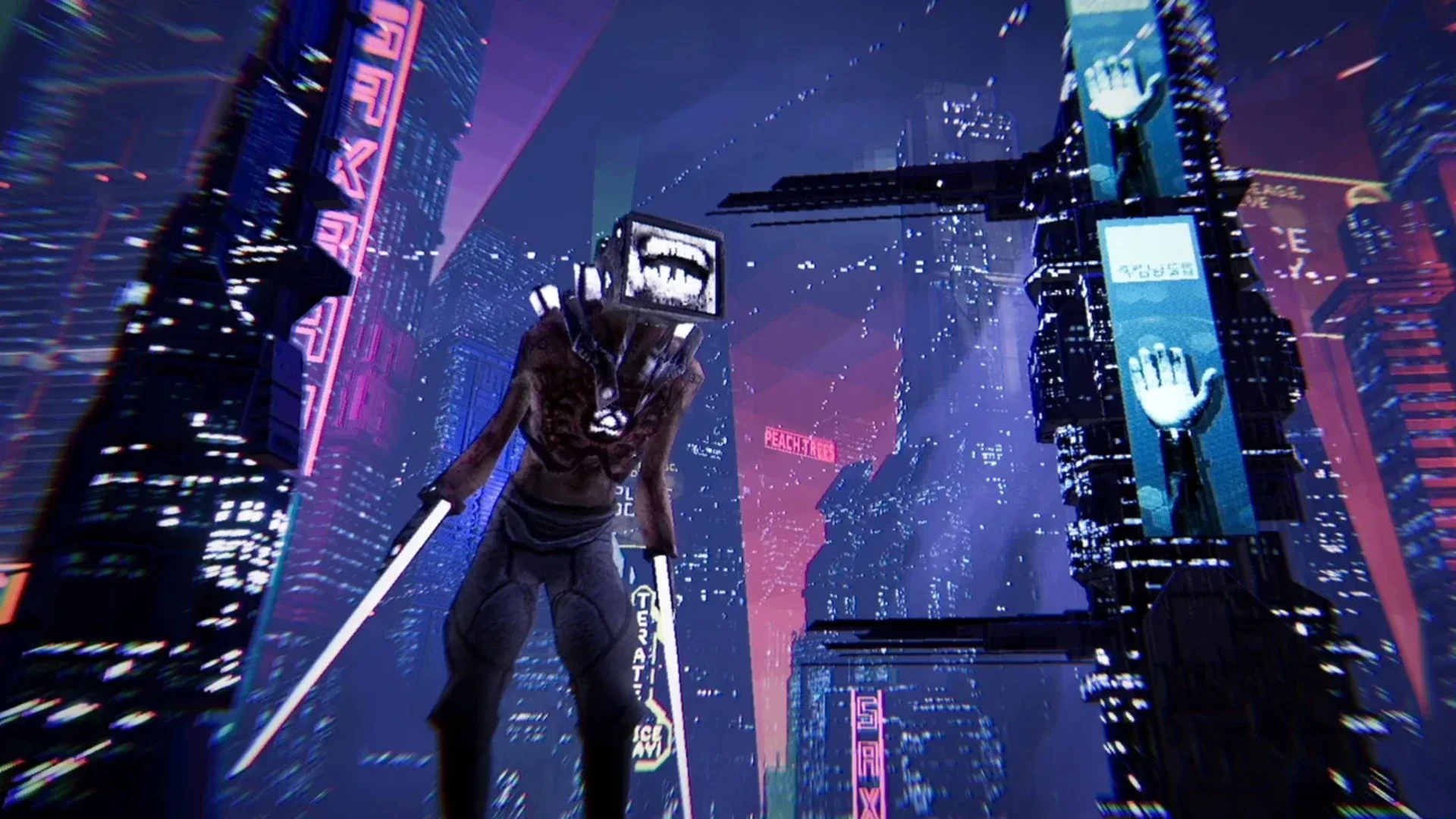
Johnny Turbo has a chainsaw built into his leg, and Turbo Overkill treats that absurdity as a movement system rather than a single joke. Sliding sends him across the floor at high speed, cutting through weaker enemies while repositioning him for the next attack. Wall runs, air dashes, and a grappling hook gradually expand the routes available through each arena.
The chainsaw slide is most useful when a fight becomes disorganized. Diving through a group can create health, separate pursuing enemies, and place Johnny behind cover before the next volley arrives. Weapons support that speed through alternate attacks and upgrades rather than asking the player to stop and compare small statistical differences.
The campaign eventually confuses escalation with improvement. Later stages stretch encounters beyond their best stopping points, while the constant visual noise can make important threats difficult to identify. For most of its runtime, however, Turbo Overkill turns movement into an attack without making traditional shooting feel secondary.
3. ULTRAKILL
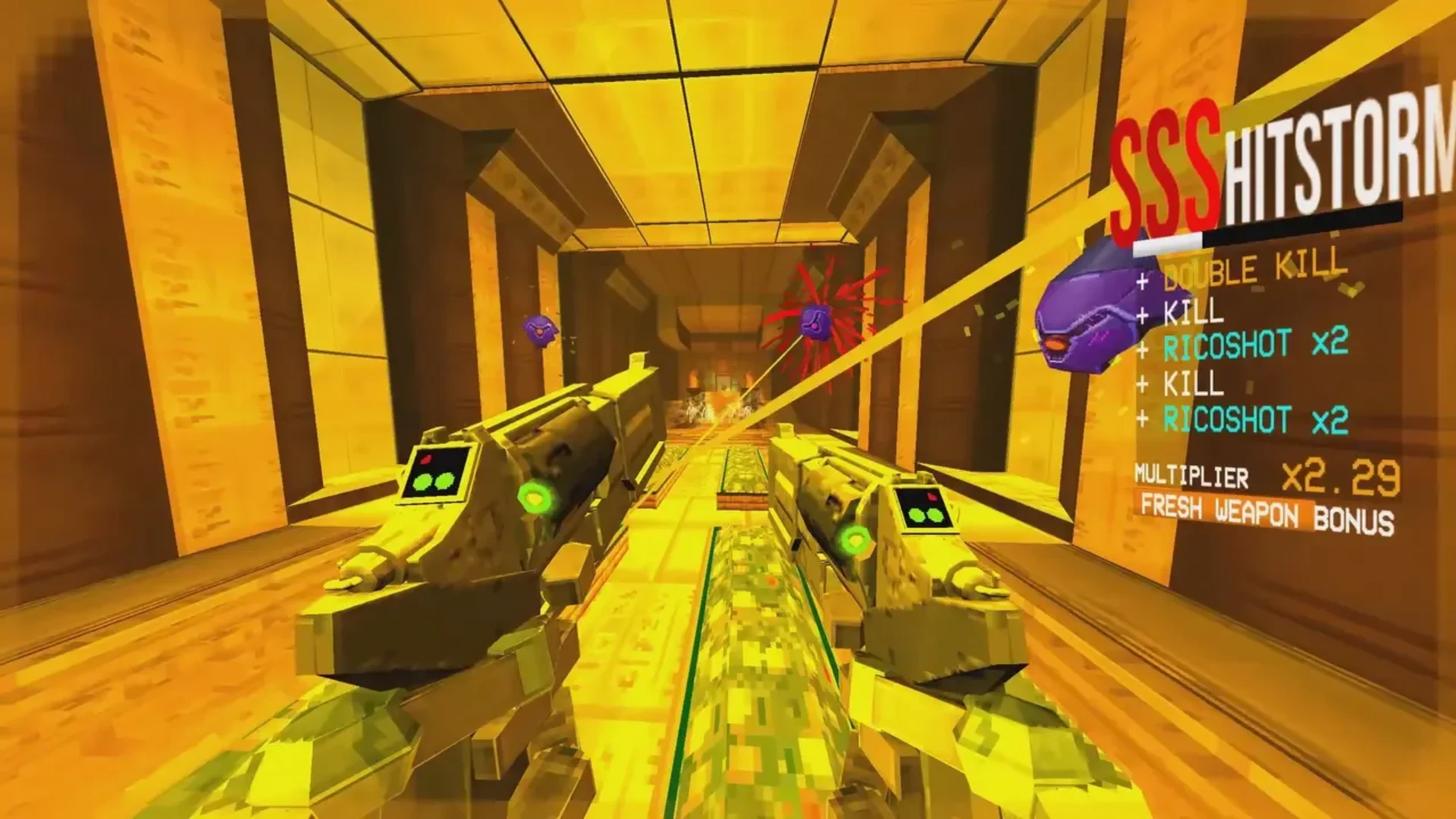
Health in ULTRAKILL comes from fresh enemy blood, forcing the machine V1 to remain close to whatever is trying to destroy it. Retreating creates safety but reduces the chance of recovering from damage. The design pushes players toward the exact range where mistakes become most expensive.
Weapons interact in ways that are not obvious from their basic functions. A coin tossed from the Marksman revolver can redirect a shot toward a target. Explosives can be struck or combined with other attacks. Successful play resembles a character-action combo system performed through first-person movement, with the style meter discouraging reliance on one comfortable technique.
That freedom comes with a high learning barrier. Players who only want to clear stages can ignore some advanced interactions, but later challenges expect a much better command of movement and parries. ULTRAKILL also remained in Early Access as of August 2026, despite already containing more invention than many finished campaigns. Its unfinished status is the only reason its placement requires a qualification.
2. CULTIC
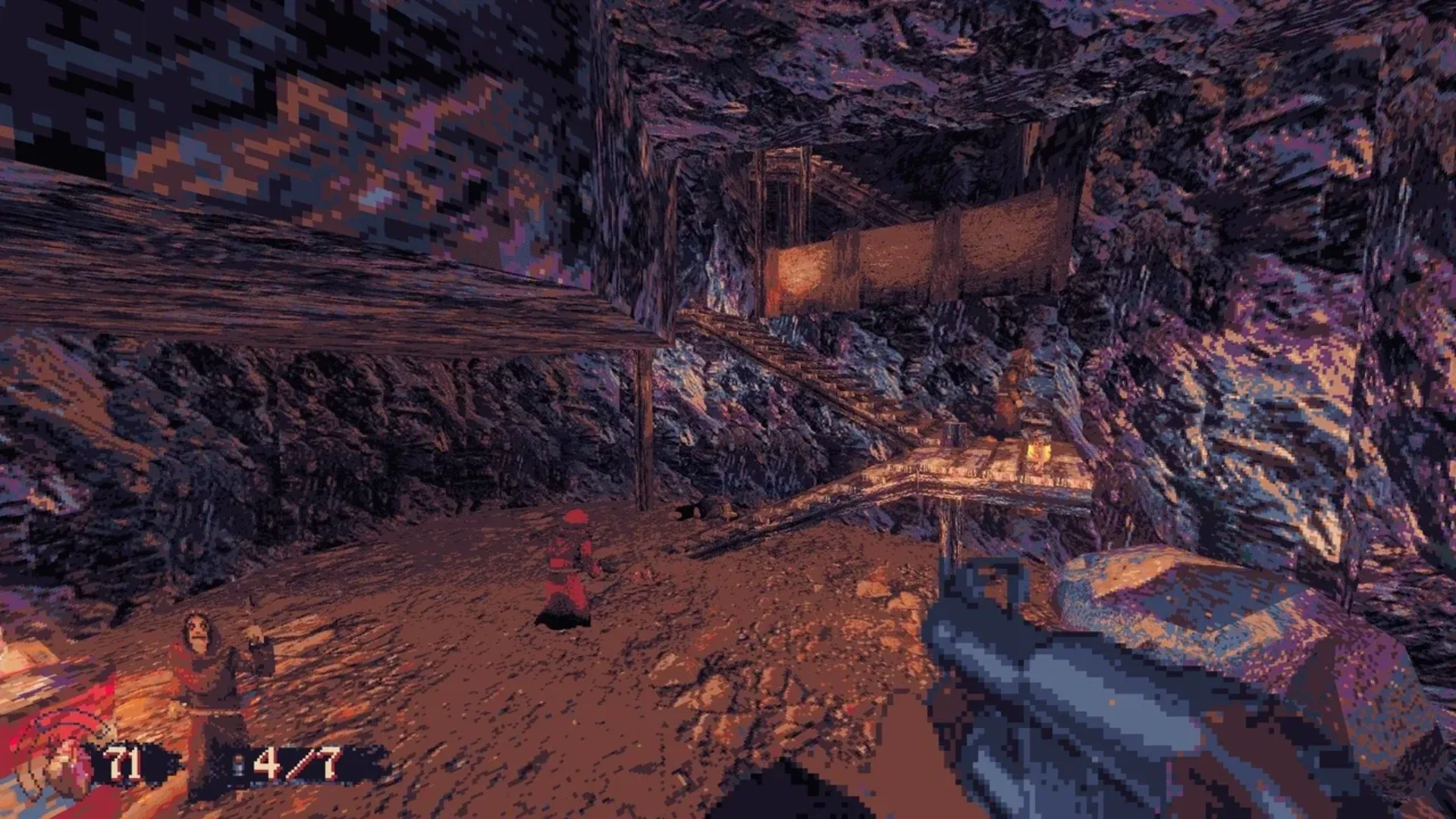
CULTIC places a detective against armed cultists in rural and urban locations drawn through a limited, grimy palette. Its ordinary-looking arsenal feels unusually physical. The Mauser pistol can be rapidly fired from the hip, while the lever-action rifle rewards deliberate shots across longer distances. Dynamite can be lit, thrown, or shot before it lands.
Levels support more than constant forward movement. Tables can become temporary cover, environmental objects can interrupt an attack, and careful players may notice routes that let them enter a dangerous room from a better angle. Horror is allowed to develop between fights, particularly when familiar buildings begin behaving incorrectly.
Chapter Two completed the game in 2025 and expanded its environments without abandoning the compact brutality of the original release. Some later maps overstay their welcome, and searching a dark area for another key can slow the campaign sharply. CULTIC earns its place by understanding that atmosphere and fast combat do not need to occupy separate sections of a level.
1. DUSK
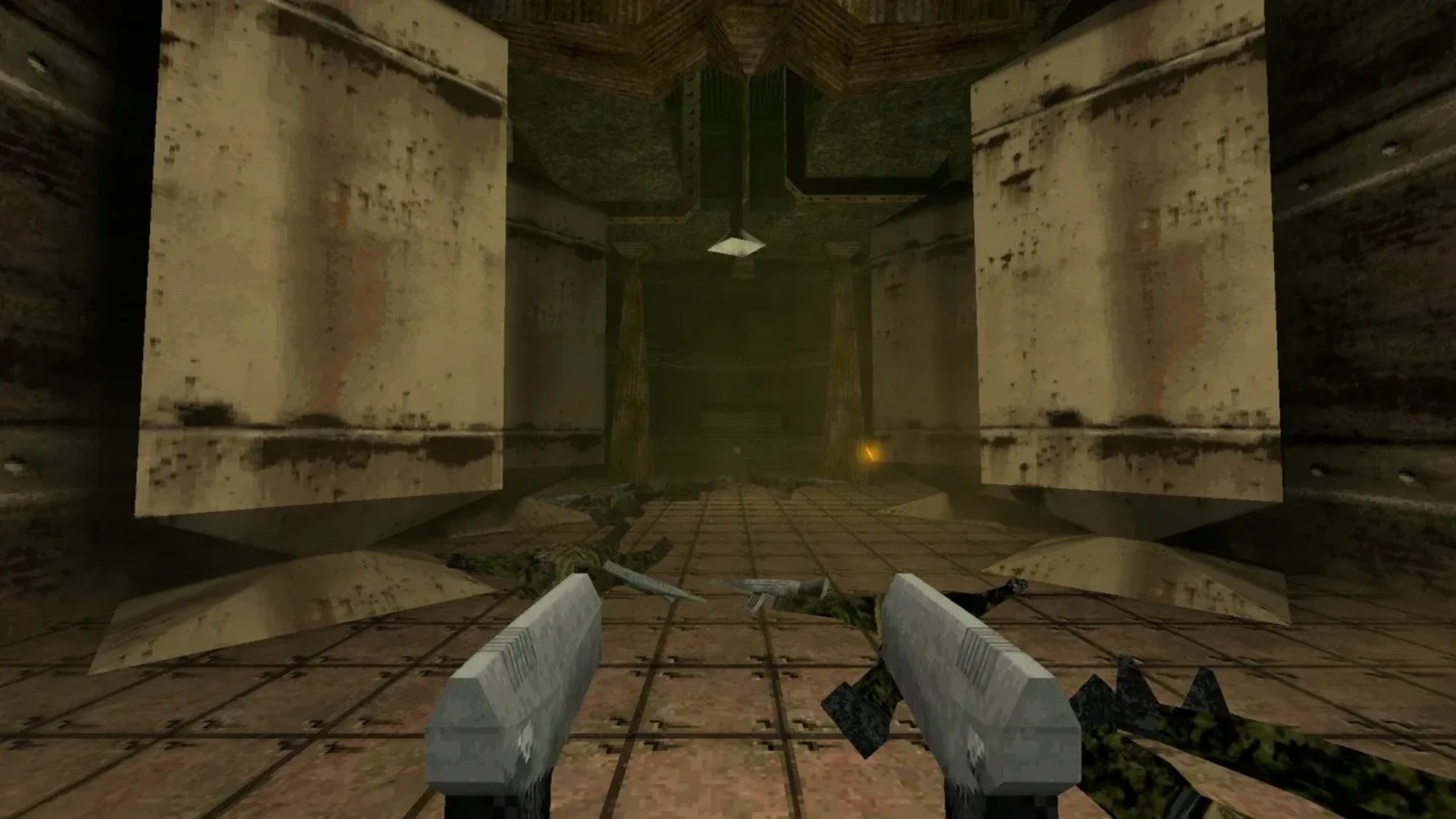
DUSK begins in a basement with two sickles and almost no explanation. From there, the player moves through farms, factories, military facilities, and spaces that gradually stop following recognizable physical rules. The campaign's three episodes do not merely provide new backgrounds. They repeatedly change what a level can be.
Movement remains simple enough to understand immediately. Running, jumping, sliding, and maintaining speed are more important than unlocking another ability. Weapons follow recognizable roles, but details keep them useful. Riveter bolts can be used for explosive damage, crossbow shots pass through targets, and dual shotguns remain viable because enemies rarely become inflated damage sponges.
The first episode deliberately resembles the rural horror of Blood and Quake. Later stages use that familiarity against the player, shifting rooms, disrupting scale, and turning straightforward layouts into stranger tests of orientation. A few gimmick levels are more clever than enjoyable, but the campaign never settles into one repeated structure.
Other boomer shooters offer deeper weapon interactions or more advanced movement. DUSK combines shooting, secrets, atmosphere, and level design without allowing one element to consume the rest. It does not imitate a remembered version of 1990s shooters. It understands why those games still invite players to search behind one more wall.
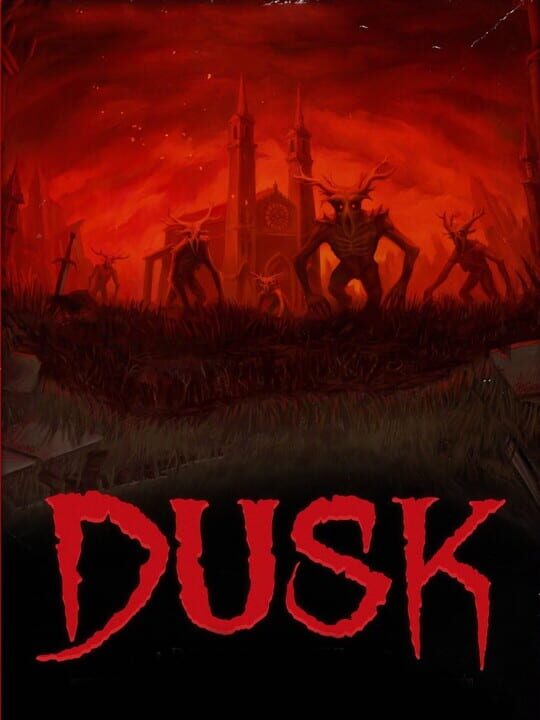
Dusk
Battle through an onslaught of mystical backwater cultists, possessed militants and even darker forces as you attempt to discover just what lurks beneath the earth in this retro FPS inspired by all your 90's favorites. Featuring a full single player campaign, endless survival mod
Released
December 10, 2018
Developer
David Szymanski
Publisher
New Blood Interactive


Tagged In
Discussion
0We want to hear from you. Share your perspective in the comments below, and please keep the conversation respectful.
Log in to join the discussion - vote, reply, and share your take.
Log In