
11 Best EA Sports games
The greatest EA Sports releases survived outdated rosters because playing them was more memorable than the licenses printed on the box.
Annual sports games are usually built to be replaced. Players move teams, uniforms change, and another numbered release arrives before the previous season has finished. EA Sports produced plenty of those disposable updates, but its best games gave people reasons to keep old consoles connected long after the rosters became historical documents.
Some recreated a sport with unusual clarity. Others abandoned realism so a snowboarder could launch across a city or a streetball player could bounce the ball off an opponent's head. This ranking includes the main EA Sports label and EA Sports BIG, with the order favoring games whose controls, modes, and individual character still matter more than their age.
11. 2010 FIFA World Cup South Africa
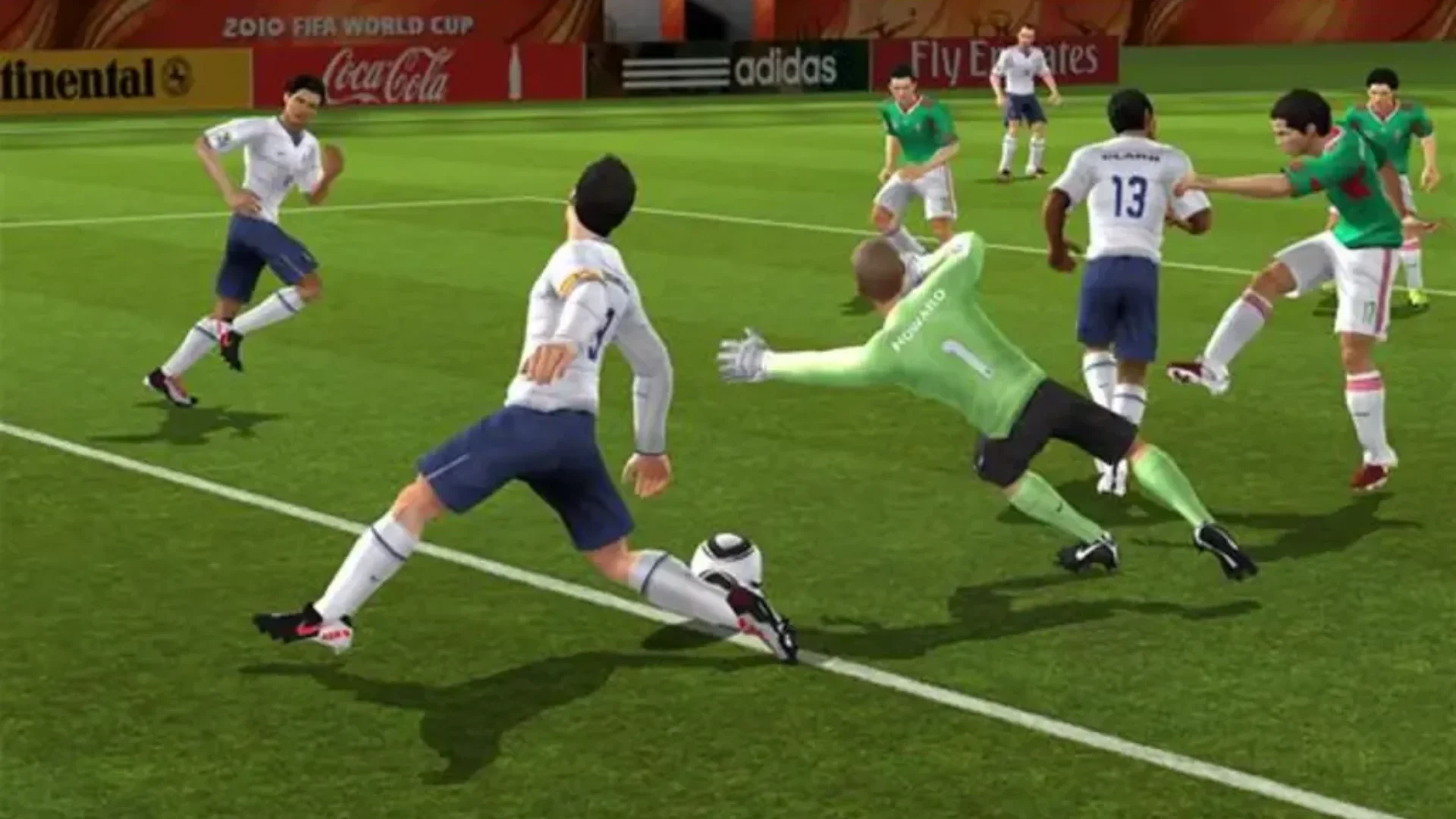
Most football games try to simulate an entire sport. 2010 FIFA World Cup South Africa concentrates on the nervous month when international football temporarily feels like the only sport that matters.
Players could guide almost any national team through qualification and into the tournament, including countries that would rarely receive attention in a standard FIFA career. Captain Your Country narrowed the experience further by grading the positioning and contribution of one player competing for a place in the squad. A mistimed run could damage an individual rating even when the wider team scored.
The artificial celebrations and constant spectacle would become exhausting across a league season. Here, they suit a game built around one tournament. Its bright menus, packed stadiums, and penalty shootouts preserve the atmosphere surrounding the 2010 World Cup more effectively than a conventional roster update could.
10. NHL 94
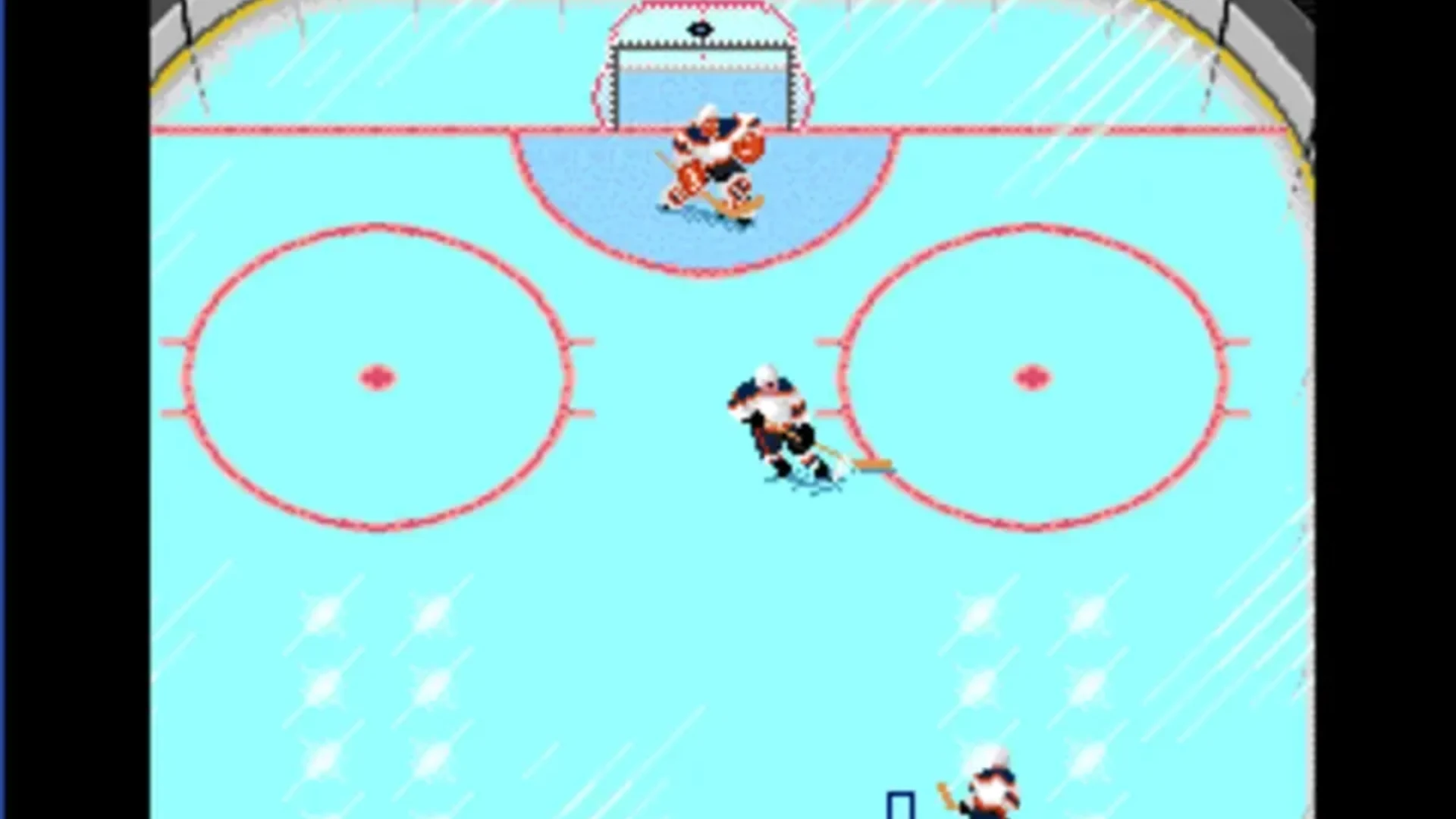
A one-timer in NHL 94 requires the puck to arrive while the receiving player is already positioned to shoot. That small addition made passing across the goal more dangerous and gave defenders a reason to watch skaters away from the puck.
The controls are simple enough for a new player to survive a match, but experienced players learn how quickly an aggressive check can drag someone out of position. Manual goalkeeper control offers one desperate answer when the defense collapses. There is no meaningful season structure, and the limited animation makes some collisions difficult to read.
The match itself remains fast and immediately understandable, which is why later NHL games kept returning to its name whenever they wanted to evoke uncomplicated hockey.
9. Tiger Woods PGA Tour 2004
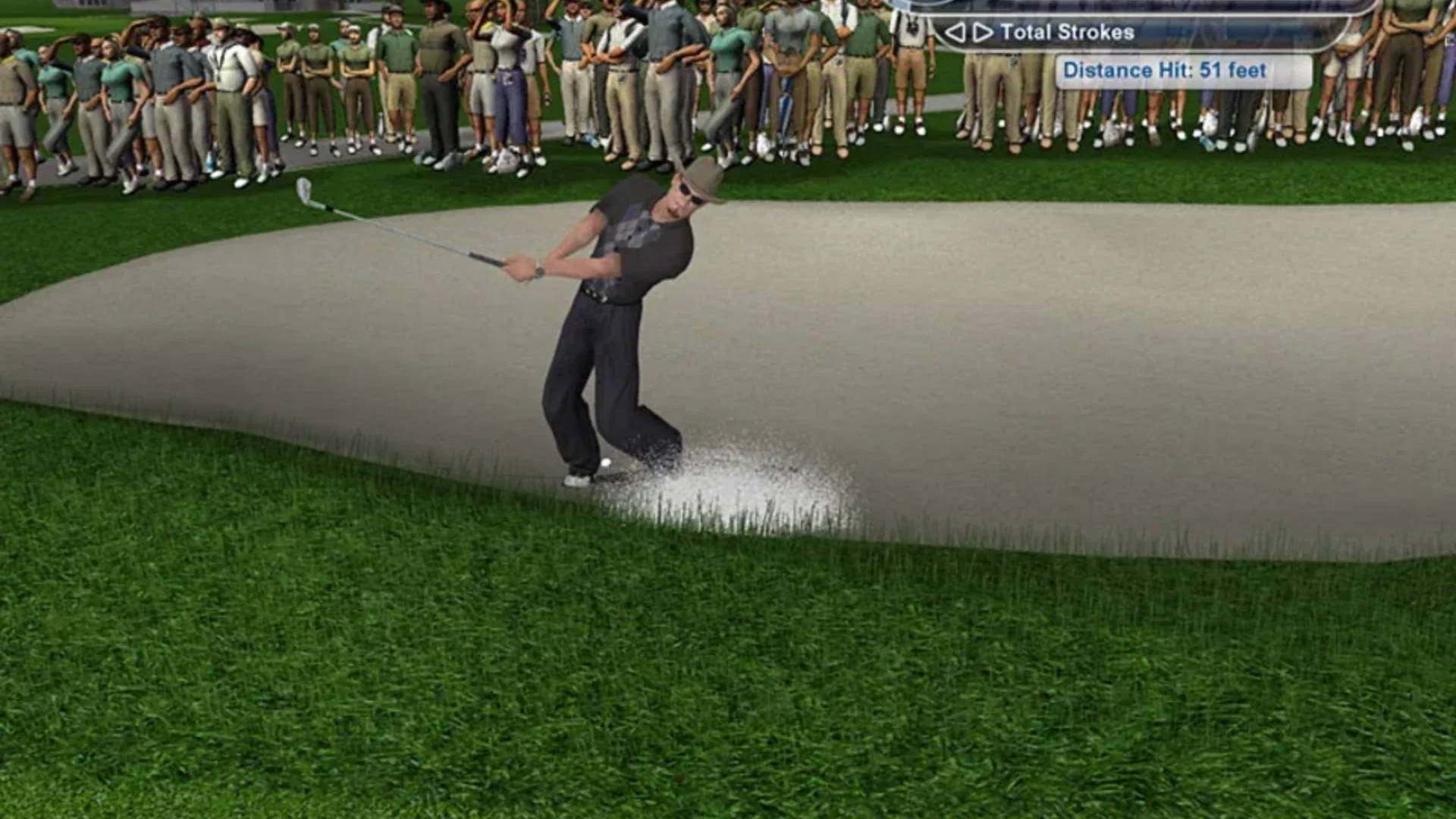
Pulling the analog stick backward begins the swing in Tiger Woods PGA Tour 2004. Pushing it forward strikes the ball, with the speed and straightness of that movement affecting the shot. A rushed thumb can turn a safe drive into a visit to the rough before the ball has travelled twenty yards.
The system gives a physical action to golf's demand for consistency without trying to reproduce every part of a real swing. Assistance such as mid-air spin makes the game more forgiving than the sport, although leaning on it can make carefully chosen landing areas feel less important. Game Face also gave created golfers enough detail that a long career felt attached to a particular character rather than a collection of upgraded statistics.
The courses are generous and putting can become predictable, but the actual act of striking the ball remains satisfying.
8. FIFA 12
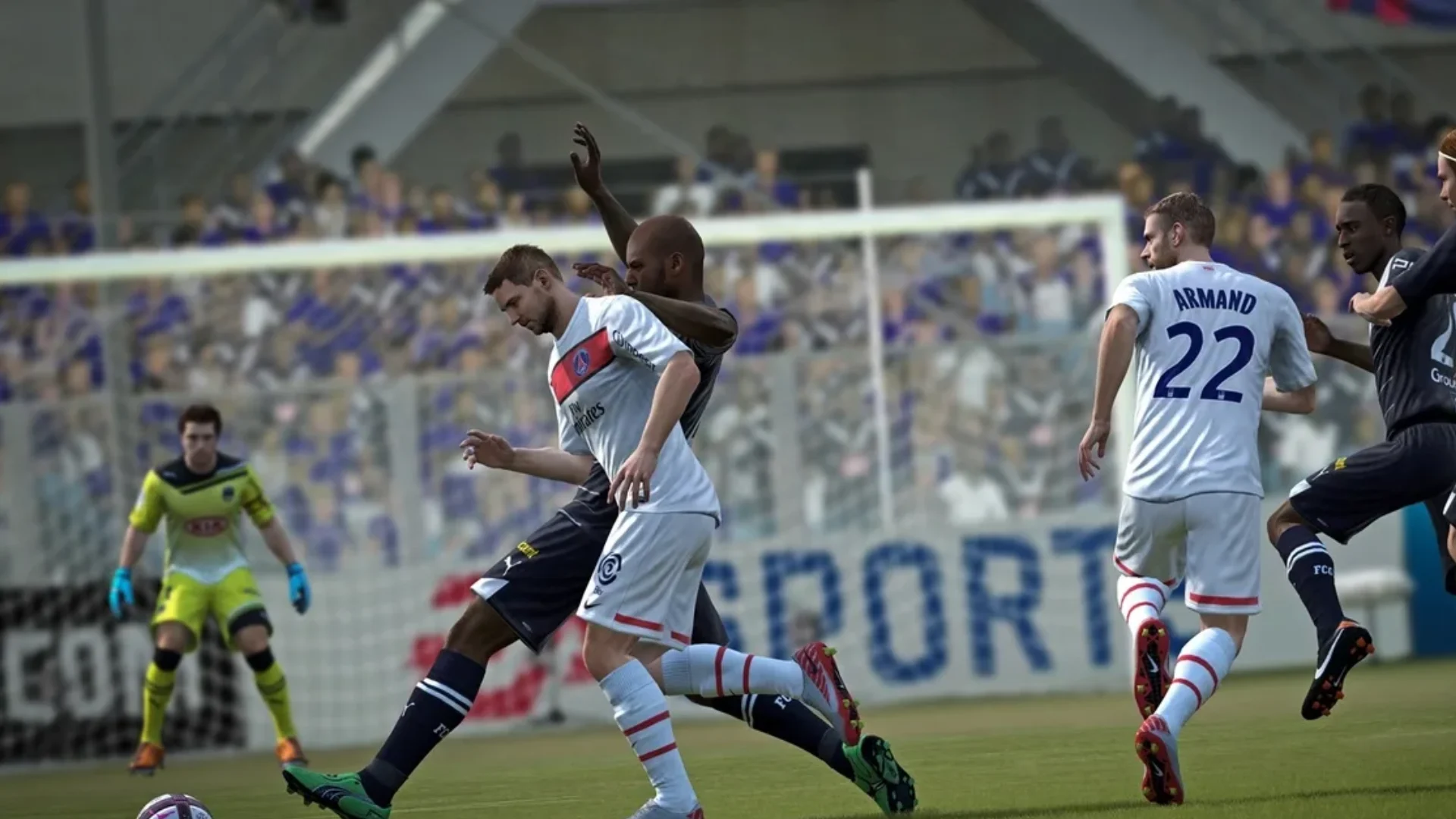
Defending changed completely in FIFA 12. Holding one button no longer sent a player directly into the ball carrier with an automatic challenge. Defenders had to contain the run, protect the passing lane, and choose when to commit a foot.
That extra hesitation improved matches because possession could be pressured without every encounter becoming a tackle. It also created a difficult adjustment for players accustomed to chasing the ball with whichever defender was closest. The new collision system produced convincing physical contests alongside bizarre tangles of limbs, particularly when several players reached a loose ball together.
Later FIFA games became faster and more crowded with modes, but FIFA 12 made individual defensive decisions unusually visible. Winning the ball felt connected to positioning rather than assistance from the game.
7. NCAA Football 14
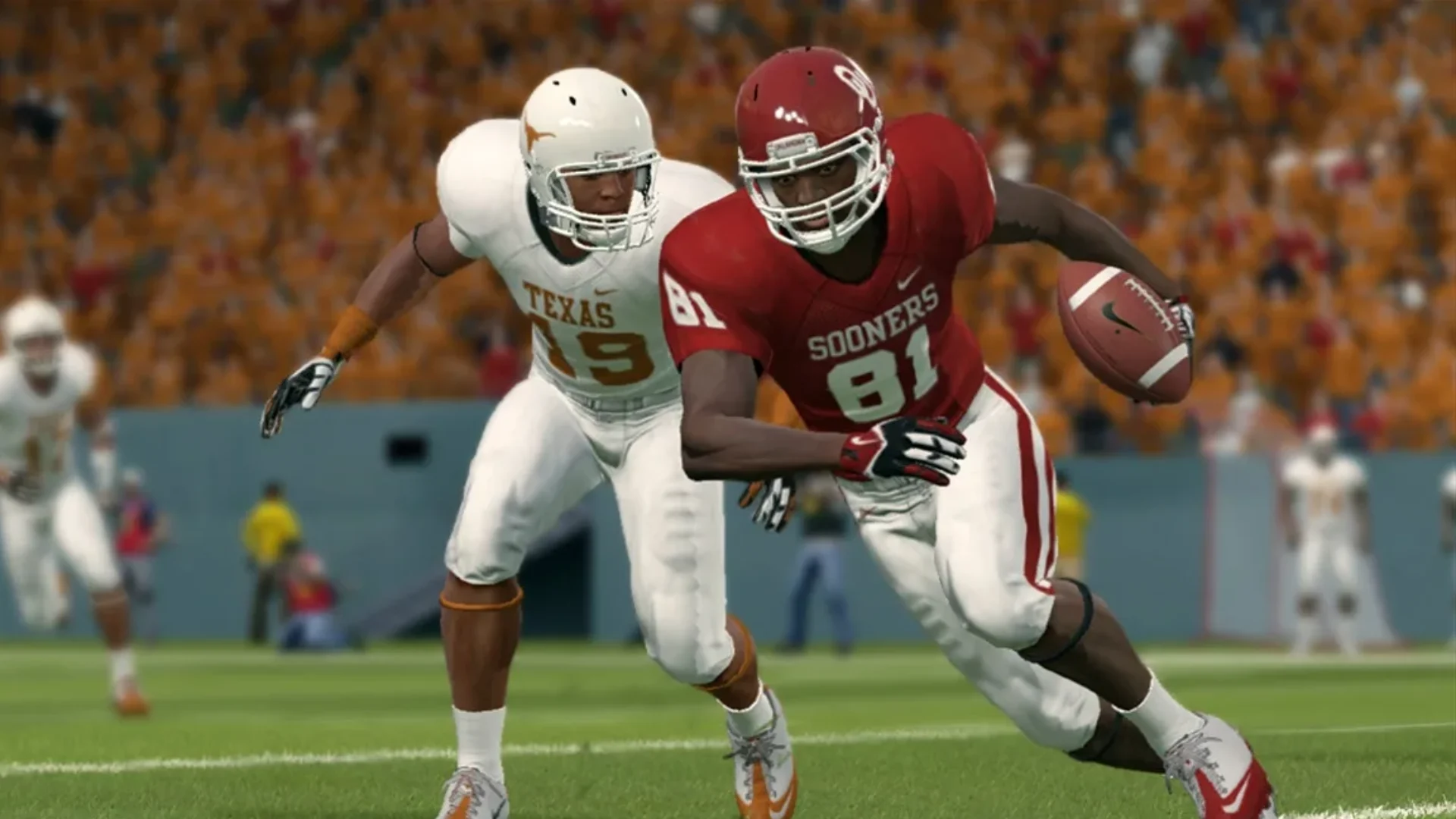
College football becomes interesting when two schools approach the same sport according to different assumptions. NCAA Football 14 allowed an option offense to read an unblocked defender after the snap, while a spread passing team tried to isolate weaker defensive backs across the field.
Dynasty mode carried those differences beyond Saturday. Recruiting a fast quarterback could justify changing an entire playbook, but signing one player meant spending limited attention that might have secured several less glamorous prospects. A small program could not immediately compete with national contenders, so improvement often began with finding players overlooked by bigger schools.
The physics could produce awkward tackles, while presentation changes were modest compared with earlier entries. Its long reputation also benefited from being the final college football game EA released for more than a decade. That gap would not have sustained an ordinary game. The flexible offenses and unusually absorbing dynasty structure did.
6. SSX Tricky
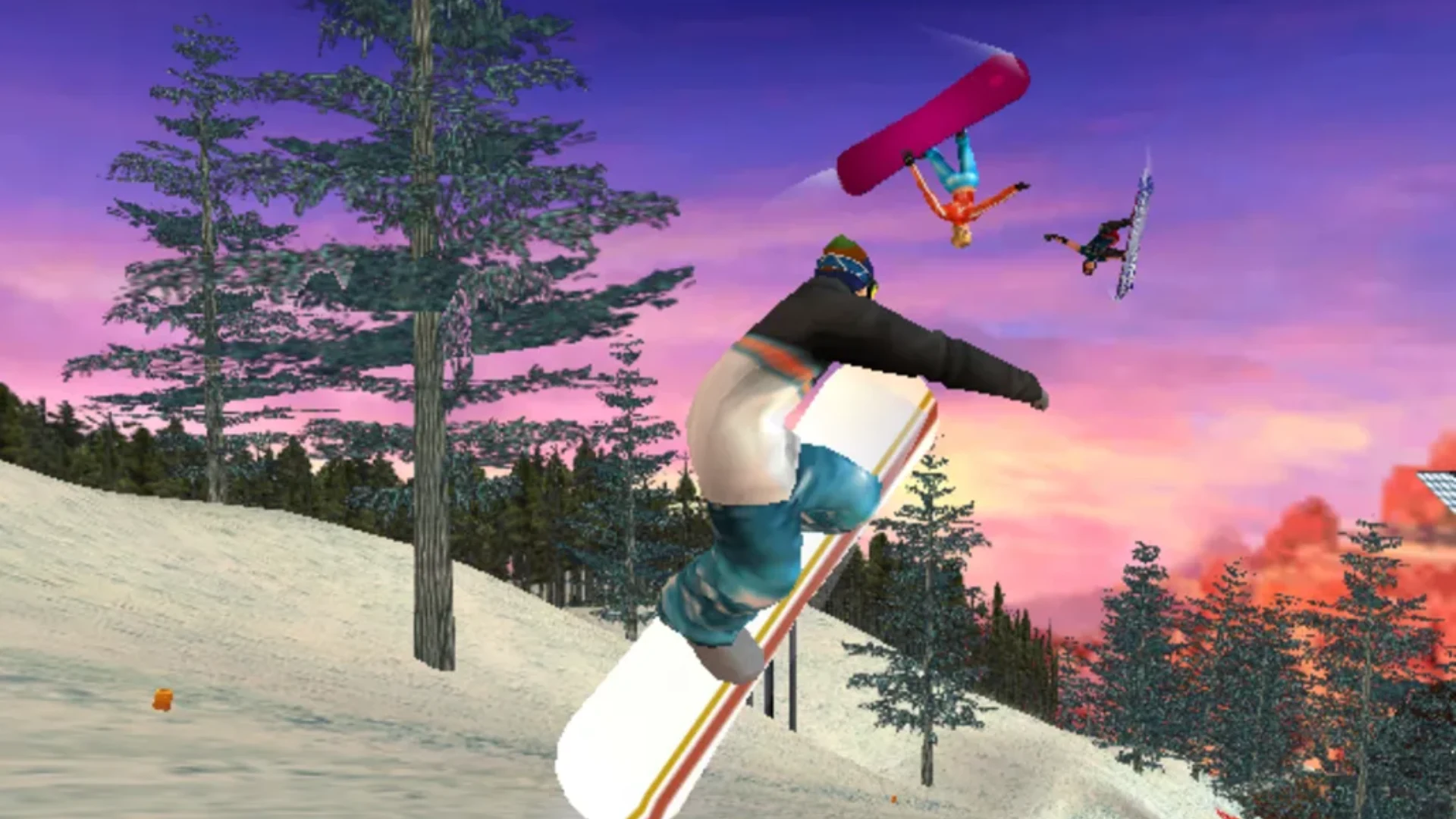
SSX Tricky treats a snowboard course as a place to perform rather than a mountain to respect. Riders build boost by landing tricks, then spend that speed to reach larger jumps and extend the next combination. Filling the meter unlocks exaggerated Über Tricks that would be impossible even before the board leaves the rider's feet.
The characters matter nearly as much as the system. Rivalries affect how competitors behave, while voice performances and course introductions turn races into loud personal contests. Tracks such as Tokyo Megaplex feel constructed for repeated runs because shortcuts and rails only become useful once their approach is understood.
Its events eventually repeat, and the fixed routes offer less freedom than the sequel's mountain. Few sports games have connected music, animation, and mechanical excess with such confidence.

5. Madden NFL 2005
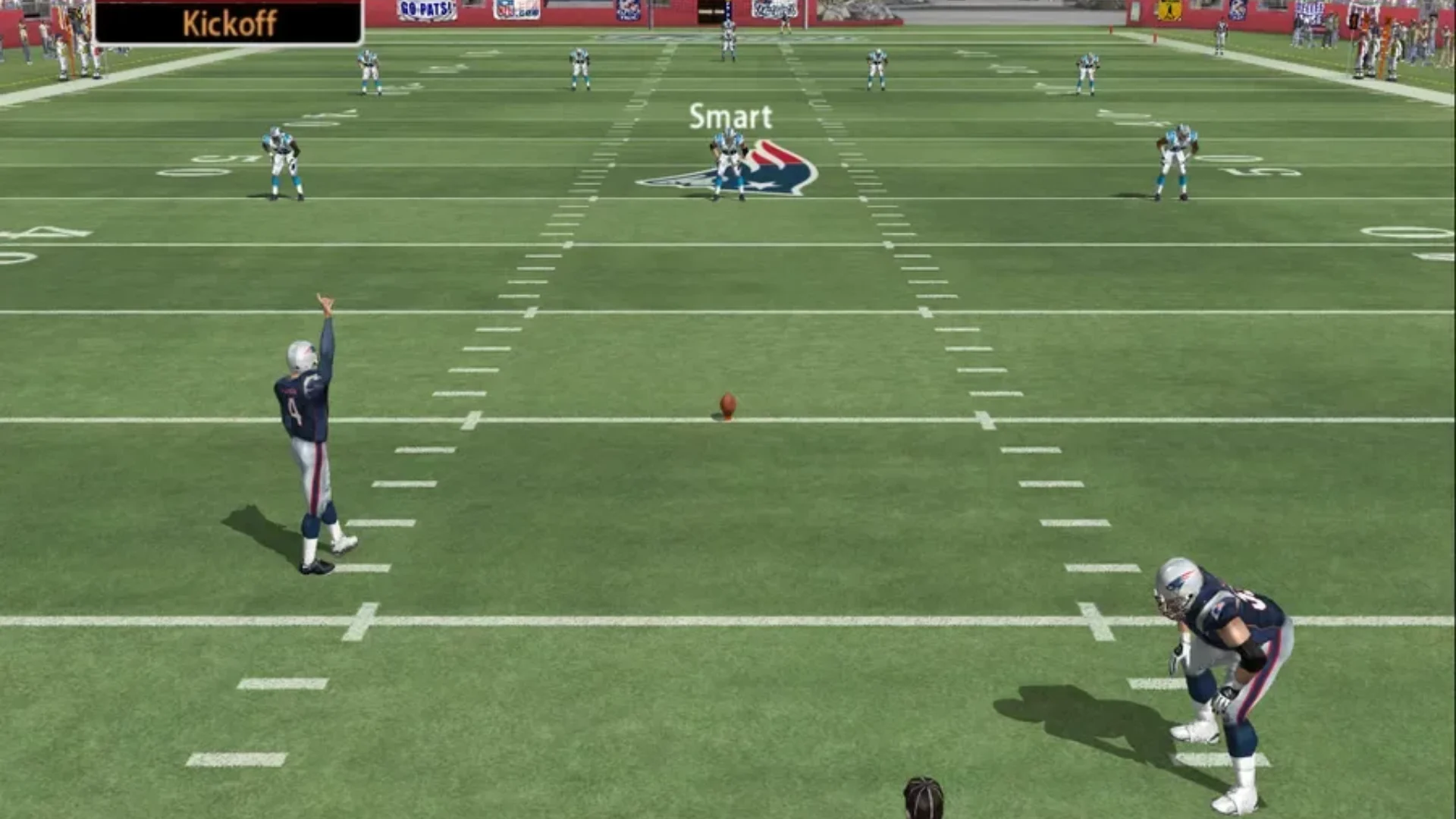
Defense stopped feeling like the period between offensive possessions in Madden NFL 2005. Coverage assignments could be adjusted before the snap, while the Hit Stick allowed a defender to attempt a forceful tackle with the right analog stick. Landing one could separate the ball from the runner. Missing left a clear path toward the end zone.
That risk made controlling a linebacker or safety more active than waiting for the play to reach them. Strong opponents could exploit anyone chasing highlight tackles, so the most useful defensive improvement was not the violence of the animation. It was the decision to stay disciplined when the tempting hit appeared.
Franchise mode supported the on-field game with trades, contracts, training, and stories developing across a season. Some computer-controlled behavior remains easy to manipulate, but few Madden releases made both sides of the ball feel equally worth controlling.
4. Fight Night Champion

Throwing constantly is the quickest way to lose control of a fight in Fight Night Champion. Each punch costs stamina, and a boxer who spends the opening rounds chasing a knockout may struggle to defend or generate power later. Body shots become an investment in an opponent's exhaustion rather than an immediate route to the scorecards.
Full Spectrum Punch Control maps different punches to movements of the right stick. It allows combinations to flow without requiring the elaborate rotations used in earlier Fight Night games, although the system can still mistake an imprecise input for the wrong punch.
Champion Mode gives that boxing a focused story built around Andre Bishop. Its scripted injuries and unusual match conditions occasionally force the player to abandon habits learned elsewhere, which can feel manipulative. The campaign succeeds because it gives each fight a reason to matter without weakening the methodical boxing underneath it.
3. MVP Baseball 2005
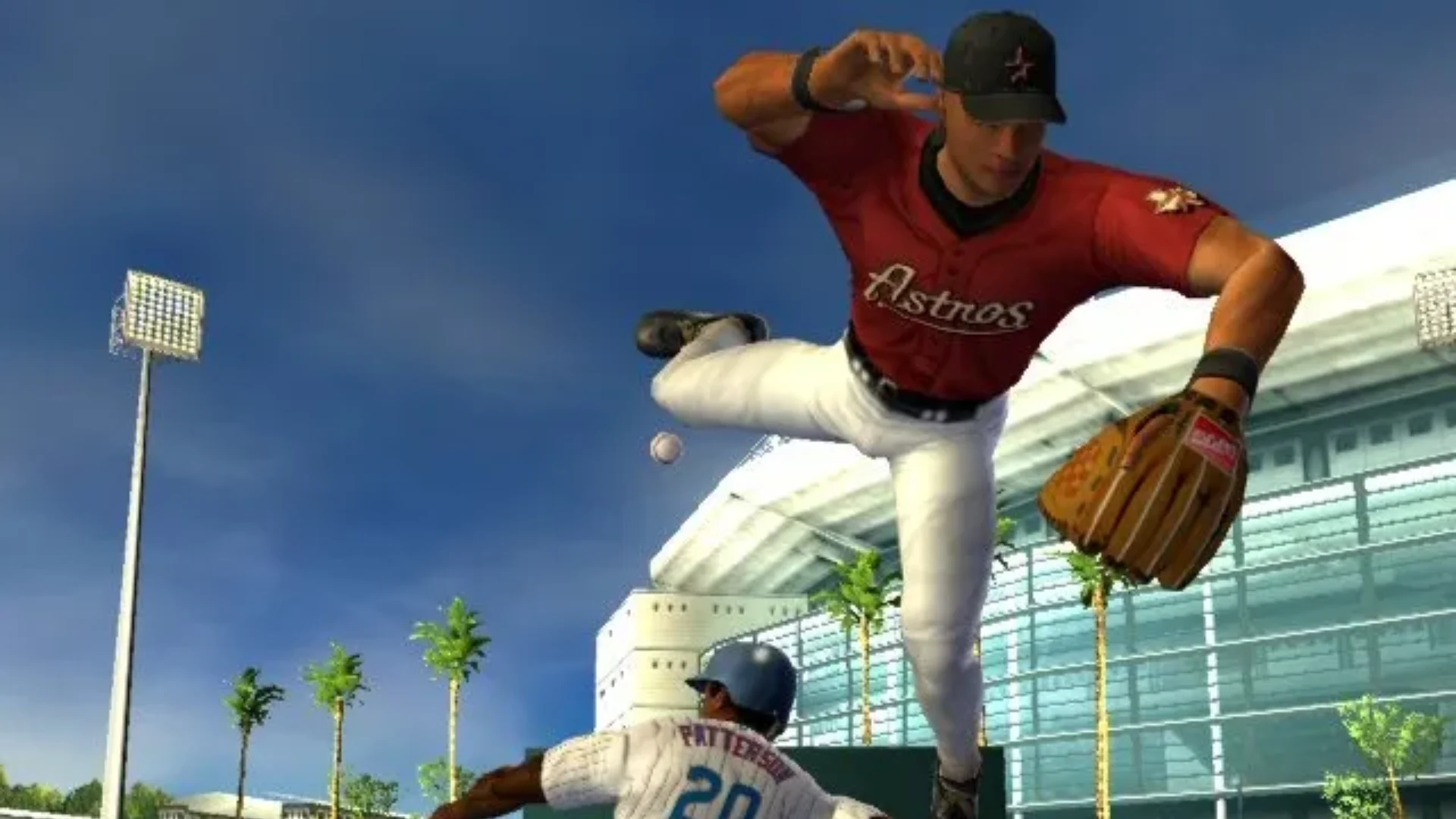
The most valuable information in MVP Baseball 2005 appears for a moment as the pitcher releases the ball. Hitter's Eye briefly colors the pitch according to its type, giving an attentive batter an early clue without revealing where it will cross the plate. Recognizing a breaking ball still means little when the player swings before seeing whether it will remain in the strike zone.
Pitching uses a meter that asks for both intended effort and release timing. Throwing at maximum power increases the chance of a mistake, especially as the pitcher tires. Those two systems make every at-bat a contest over imperfect information rather than a sequence of button presses.
Owner mode adds stadium finances and business decisions, but its economic model is less convincing than the baseball. The fielding can also feel rigid beside modern games. Batting and pitching remain so readable that the shortcomings around them rarely obscure why the game endured.
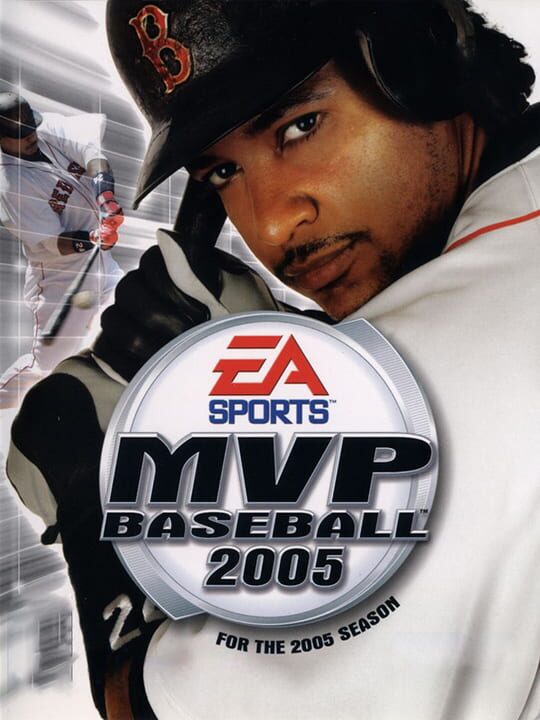
MVP Baseball 2005
MVP Baseball 2005 is a baseball video game developed and published by Electronic Arts. It features then-Boston Red Sox left fielder Manny Ramirez on its cover. The game features full Major League Baseball, Minor League Baseball, and Major League Baseball Players Association licen
Released
February 22, 2005
Developer
EA Canada
Publisher
Electronic Arts


2. SSX 3
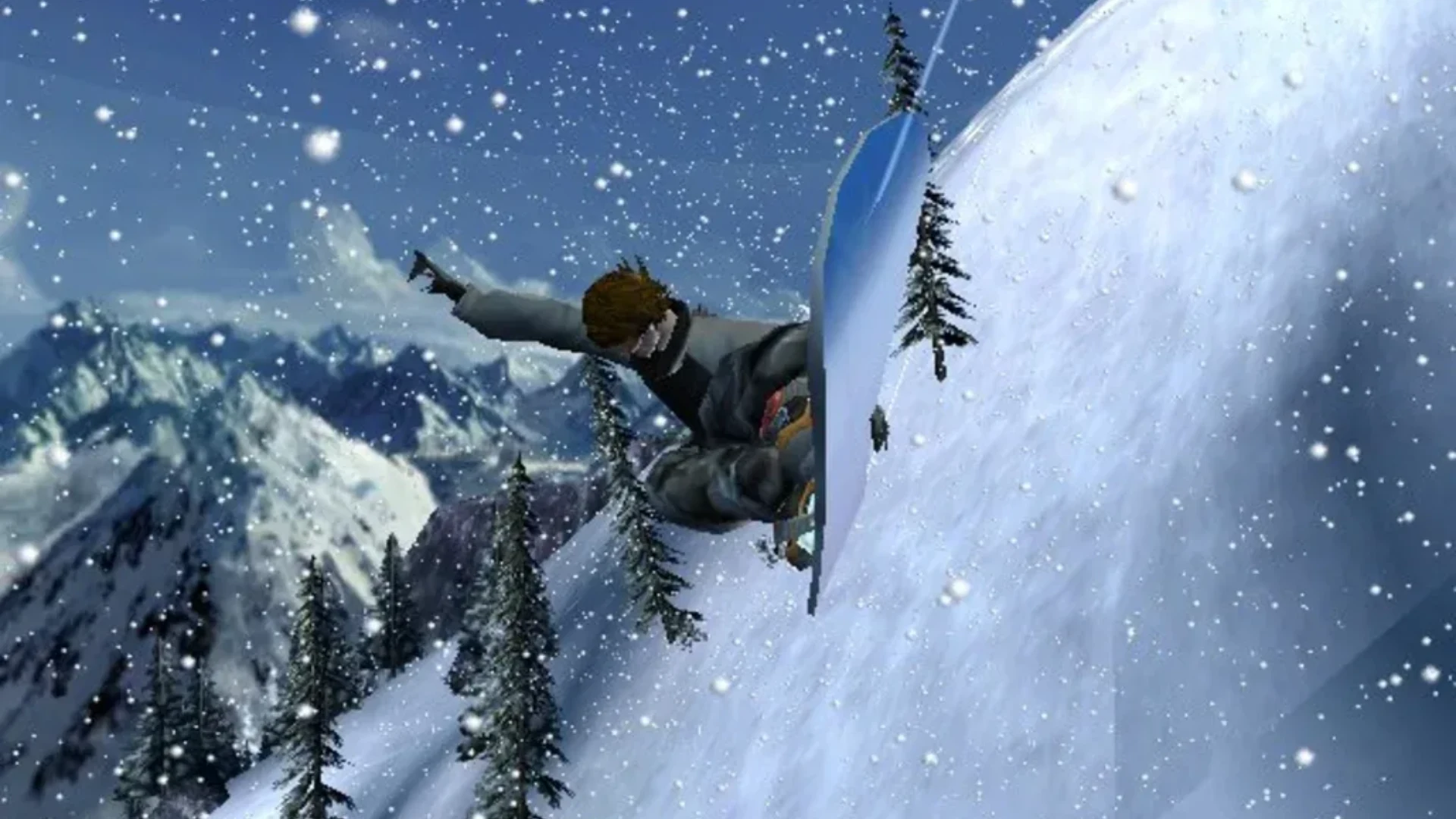
A race does not always end when SSX 3 displays the results. Riders can leave the finish area and continue down the mountain, passing event entrances before reaching the next lodge. The three peaks gradually become one connected place rather than a collection of unrelated courses.
That structure changes how the game's speed feels. A route learned during a race may later become part of a long free ride from the summit, where maintaining boost matters more than defeating a visible opponent. Tricks remain extravagant, but landing them now supports movement across the mountain as well as a score.
Radio BIG reacts to progress while the soundtrack changes according to the action, dropping elements when the rider leaves the ground and returning them on landing. The characters lost some of the sharper rivalries that made SSX Tricky memorable. In exchange, SSX 3 built the better place to snowboard.
1. NBA Street Vol. 2
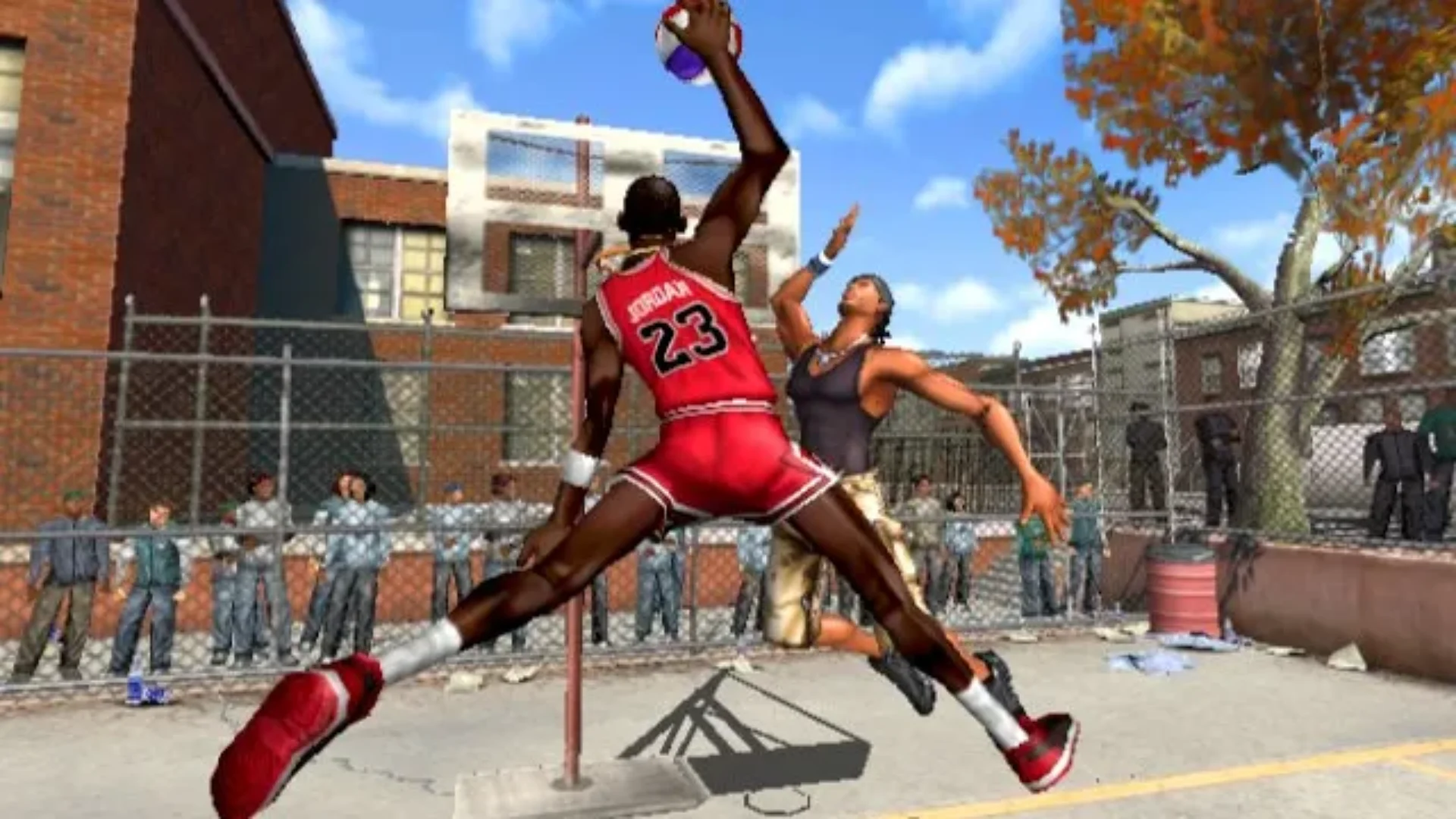
A good possession in NBA Street Vol. 2 can humiliate a defender before anyone attempts a shot. Players combine trick inputs, bounce passes off the backboard, and use teammates to continue a sequence while the defense looks for a chance to interrupt it. Style builds the Gamebreaker meter, but careless showboating risks losing the ball and wasting the entire possession.
Gamebreakers give that performance a competitive purpose. Scoring one can add to the player's total while taking points away from the opposing team, creating swings large enough to rescue a bad game. Defense remains involved because steals, blocks, and trick counters can punish predictable attackers. The game celebrates impossible basketball without removing the need to read another player.
Be a Legend mode sends a created character through different courts while gradually assembling a team. NBA stars share space with streetball figures and historical players, giving the roster a sense of basketball culture rather than functioning only as a license. Later NBA Street games added more systems, but Vol. 2 understood the correct limit. Every extra layer made the sport more expressive without making the controls feel like work.
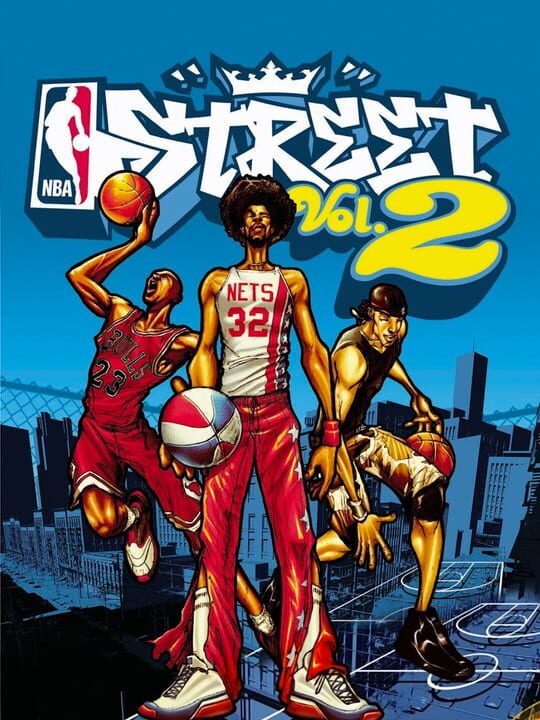
NBA Street Vol. 2
NBA Street Vol. 2 is a basketball video game, published by EA Sports BIG and developed by EA Canada. It is the sequel to NBA Street and the second game in the NBA Street series. It was released on April 28, 2003 for the PlayStation 2, GameCube, and, for the first time in the seri
Released
April 28, 2003
Developer
EA Canada
Publisher
EA Sports BIG
Tagged In
Discussion
0We want to hear from you. Share your perspective in the comments below, and please keep the conversation respectful.
Log in to join the discussion - vote, reply, and share your take.
Log In