
Steam’s review backlog is costing indie games their launch dates
Valve warns that Steam build approvals can take up to 12 business days. Food Devils and Wheel Make It show why the review backlog makes indie launch dates unpredictable.
Steam's growing review backlog is forcing developers to postpone finished games without knowing when they can launch. On November 3, Valve warned that build approvals could take up to 12 business days, compared with the usual three to five. Studio Daimon had already waited more than three weeks for Food Devils and was forced to delay its Early Access release.
Valve blames rising submissions and repeated reviews, but approval isn't always the final hurdle. The developers of Wheel Make It received clearance in October and still couldn't set a new release date. For smaller studios, Steam's delays are making even carefully planned launches unpredictable.
Food Devils had already moved once for Zelda
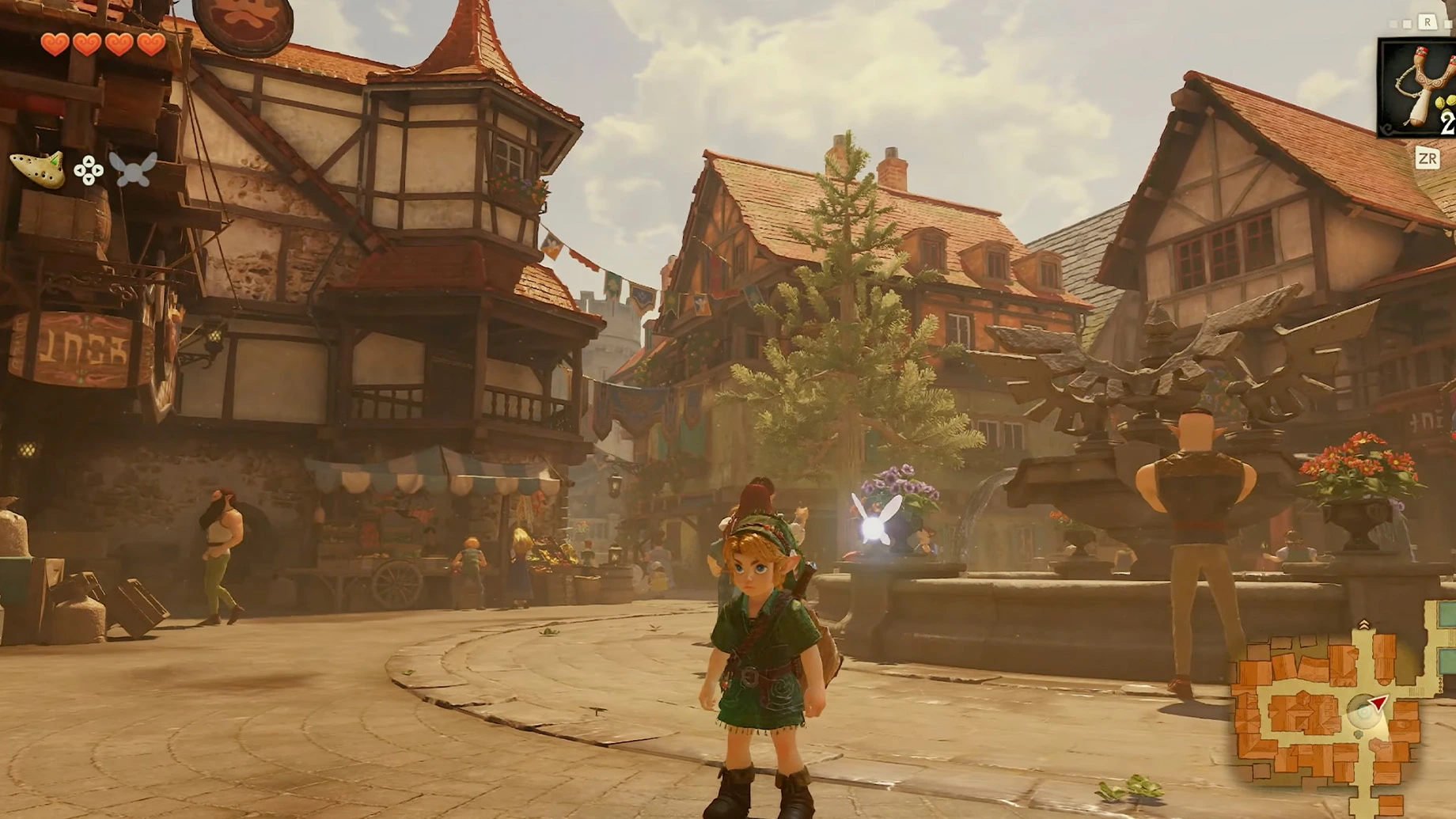
Studio Daimon originally planned to release Food Devils on November 5. A day after announcing the date, Nintendo revealed that its Ocarina of Time remake would launch on the same day. Daimon moved its tactical RPG forward to November 3, hoping to reach players before Zelda arrived.
The studio also prepared its October Steam Next Fest demo around that launch. Players could manage a restaurant, send adventurers out for ingredients and complete the entire prologue. June demo saves were no longer compatible, but players could carry their October progress straight into Early Access.
Director Alfred Kamon submitted the game build on October 12, expecting enough time to address feedback as he had with previous releases. Steam reviews store pages and game builds separately, however, so Food Devils could advertise its November 3 launch while still awaiting approval.
On October 26, Valve raised concerns about sexual content. Kamon said he responded that same day, but the game still missed its release date. By November 5, the demo remained available while the full game was listed as coming soon.
Delaying until December also carried financial consequences. Kamon said Daimon needed sales revenue before the end of the year. Steam normally pays developers by the 30th of the following month, meaning a December launch would push the studio's first payout into January, regardless of how well the game sold.
One menu setting sent Wheel Make It back for another review

October 12 was supposed to be launch day for Wheel Make It, a physics-based game from tlproductions in which two players share a keyboard to steer a wheelchair through an obstacle course. Publisher 2 Left Thumbs said a Steam reviewer couldn't figure out how to start local co-op. The team explained the controls, but the game remained unapproved roughly two weeks after its initial submission.
Instead of receiving approval, the developers faced another issue during a subsequent review. Steam flagged that players couldn't change the screen resolution using a controller, despite the game advertising full controller support. The publisher was frustrated that Valve hadn't raised the problem alongside its earlier feedback about local co-op.
Wheel Make It finally passed review on October 23, but 2 Left Thumbs decided against releasing it immediately. With the original launch date already missed, the publisher rescheduled for November 1 to give itself nine days to rebuild interest and promote the game again.
The extra review had delayed the launch, and even after approval arrived, the team needed more time to prepare for a release it had already planned weeks earlier.
The store page still said “Coming Soon”

2 Left Thumbs announced the new November 1 release date in a Steam news post because it could no longer update the store page. Players following the announcement knew when to return, but anyone checking the game's release date still saw “Coming Soon.”
Steam restricts release date changes during the final two weeks before launch, when games can receive more visibility in lists such as Popular Upcoming. With build reviews now taking longer, developers risk reaching that cutoff before Valve has even responded. A simple fix might take only a few hours, but the delay can leave them unable to update the date shown to potential buyers.
The publisher also reported problems listing local co-op and supported languages during review. That meant players browsing Wheel Make It's store page might not have realized they could play together using a single keyboard.
According to 2 Left Thumbs, the game had more than 11,000 wishlists, giving Steam an audience to notify when it finally launched. The publisher blamed the delays for disappointing sales, although wishlist numbers alone cannot tell us how many players would have bought the game on its original October release date.
Valve is moving some checks ahead of the queue
Steam's growing catalogue helps explain the pressure on its review process. More than 24,000 games had launched by early November, already surpassing the roughly 21,000 released throughout 2025. Every rejected build adds another review to the queue. Both Studio Daimon and 2 Left Thumbs suspected AI-generated submissions were contributing to the backlog, although Valve hasn't confirmed this.
Valve is now requiring developers to complete more checks before submitting their games. One new rule requires them to launch their build through Steam and play for at least five minutes. Some developers had only tested their games by opening the executable directly, missing problems that could prevent customers from launching them through Steam.
Other requirements target common reasons for repeat reviews. Studios advertising Steam Cloud must verify that saving actually works, while multiplayer developers can provide test accounts with their initial submission instead of waiting for reviewers to request them.
These changes could prevent some of the back-and-forth that delayed Wheel Make It, but they won't eliminate every problem. Questions about content disclosures, like the one that held up Food Devils, still require individual review. For developers facing a fixed launch date, even a single extra round of feedback can be enough to derail their plans.
Developers need enough notice to act
Developers can submit builds earlier, even if they're still polishing the game. Valve allows updates during review, provided the advertised features already work. But submitting early only helps so much when developers don't know which problems reviewers might find.
Wheel Make It spent weeks waiting for feedback that could have been addressed together. Reporting issues in a single pass would give studios a better chance of fixing them before launch. Valve could also provide clearer updates on review progress, particularly as developers approach the deadline for changing their release date.
Steam already warns studios when that deadline is approaching. It should be equally transparent about delays on its own side. Studio Daimon managed to reschedule Food Devils when Nintendo announced a competing release. It couldn't make the same adjustment when Valve failed to approve its build in time.
Valve has every reason to check games before they reach customers. But if its review process can derail a launch, developers deserve enough notice to do something about it.