Credit: Gambit Esports
esportsReviewcounter-strike-global-offensive
The Complete History of Gambit Esports: From CIS Pioneers to Major Champions
June 19, 2026·Updated September 16, 2026·26 min read
Explore Gambit Esports’ full history, from its CIS roots and 2017 Major win to its academy system and Zero1Gaming legacy.
Welcome, Gambit fans. Gambit Esports has now been integrated into the Zero1Gaming product, offering a dedicated space to revisit and reflect on one of esports’ more defining organizations.
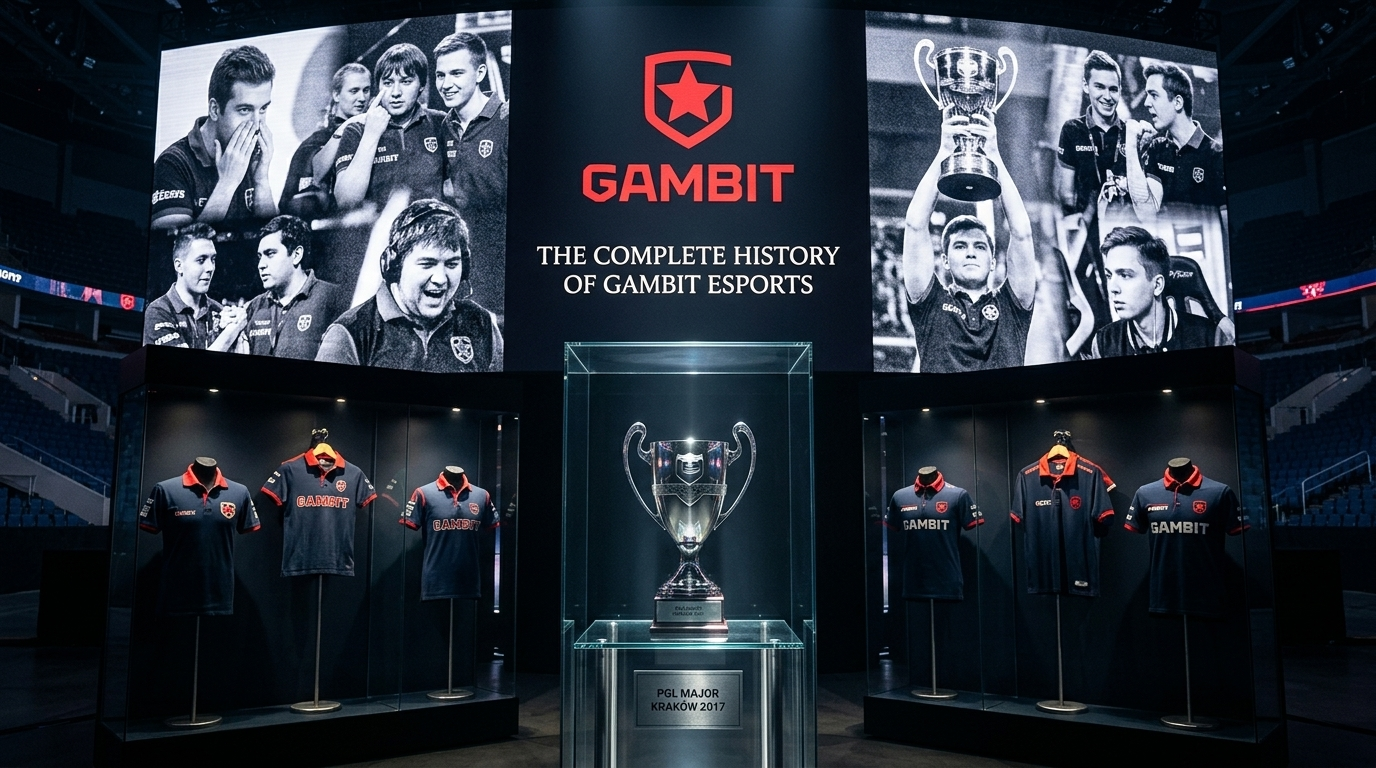
From its early growth in the CIS region to becoming the first team from the region to lift a Counter-Strike Major, Gambit’s story has been built on structure, discipline, and the emergence of standout individual talent. The organization first broke through on the global stage with its win at PGL Major Kraków 2017, where an unexpected roster pushed through the bracket and carved out a place in Counter-Strike history.
Several years later, Gambit returned to relevance through its academy system, which produced players like sh1ro, Ax1Le, and nafany. That core eventually evolved into one of the most dominant teams of the online era, consistently challenging the top of the scene.
This deep dive covers Gambit Esports’ full journey, from its early foundations and Major-winning lineup to its development pipeline and lasting influence on competitive Counter-Strike. Whether you followed the breakthrough roster or the later rise of its academy talent, this is the complete story of an organization that helped shape modern CS.
Introduction to Gambit Esports
Gambit Esports stands among the more recognizable organizations to come out of competitive gaming’s early structured era, founded in 2013 as esports in the CIS region began to formalize and expand. From the outset, the organization operated across multiple titles, fielding teams in Counter-Strike, Dota 2, and League of Legends while gradually establishing its footprint on the international stage.
While Gambit maintained a multi-game presence, its identity was ultimately shaped by Counter-Strike. The organization became associated with structured gameplay, disciplined team frameworks, and a consistent focus on player development. Over time, it earned a reputation for assembling rosters that were not just individually skilled but tightly coordinated, often able to compete with more established international lineups.
The strongest chapter of Gambit’s competitive history came through its Counter-Strike division, which elevated the organization into a legitimate global contender and a respected name within CIS esports. Its breakthrough moments and subsequent roster cycles positioned it as a reference point for system-driven team building in the region.
Today, Gambit Esports is no longer active in professional competition, but its presence continues through its historical footprint and its integration into the Zero1Gaming network, which preserves its competitive journey and achievements for archival and editorial reference.
Origins of the Organization
Gambit Esports was founded in 2013, arriving during a period when structured esports organizations were beginning to take shape across the CIS region. Competitive gaming was still in the process of defining its professional framework, and Gambit entered with a clear emphasis on long-term stability, structured development, and participation across multiple esports titles.
In its early years, the organization operated under the name Gambit Gaming and started assembling rosters across several disciplines. This was a transitional phase in esports, where many teams were moving away from informal lineups toward fully supported professional setups. Gambit positioned itself within that shift, building a more organized foundation than many of its regional counterparts at the time.
The organization adopted a multi-title strategy from the outset, investing in games such as League of Legends, Dota 2, and Counter-Strike. The goal was to establish a presence across the major competitive ecosystems of the era. While results varied between titles, this approach helped Gambit gain early visibility and establish credibility on the international stage.
Even with its broader ambitions, Counter-Strike gradually emerged as the core of Gambit’s identity. The game’s structure, tactical demands, and emphasis on discipline aligned closely with the organization’s philosophy, and this early focus would later become central to its most successful periods.
By embedding itself early in the evolving esports landscape, Gambit laid the foundation for what would go on to become one of the most notable organizations in CIS Counter-Strike history.
Early Years Across Esports
In its early development phase, Gambit Esports focused on building a wide competitive footprint across multiple esports titles rather than narrowing its attention to a single game. This multi-title approach was a common strategy among emerging organizations at the time, as esports ecosystems were still taking shape and stability often depended on diversification.
A central part of Gambit’s early structure was its entry into League of Legends, where the organization assembled a roster to compete in the European regional circuit. While the team did not break into the upper tier of the scene, it still gave Gambit visibility within one of the most established esports ecosystems in the world.
Alongside League of Legends, Gambit maintained an active presence in Dota 2, a title that carried significant weight in the CIS region. This involvement kept the organization closely tied to a strong regional player base and placed it within a scene known for constant roster movement and evolving team identities.
Counter-Strike, however, remained the most strategically important title for Gambit even during these early stages. While global recognition in the game would come later, the organization’s steady investment signaled a clear long-term direction. The structure and tactical depth of Counter-Strike aligned closely with Gambit’s approach to team building and development.
These formative years were defined less by trophy success and more by experimentation and structural groundwork. Still, they played a key role in shaping the organization’s identity, giving Gambit the framework to refine its approach to roster building, coaching structure, and long-term competitive planning. That foundation would eventually support the rise of one of the most notable Counter-Strike teams in esports.
Entering Counter-Strike
Gambit Esports made its decisive entry into Counter-Strike in 2016, a move that would go on to define the organization’s entire competitive identity. The decision reflected both the rising strength of the CIS scene and Gambit’s long-term intent to establish itself in esports’ most demanding tactical environment.
Rather than building a roster from the ground up, the organization acquired the HS.GG lineup in early 2016. This provided an immediate competitive base, giving Gambit a team that already had experience playing together and a foundation to work with as it adjusted to higher-level competition.
At the time, expectations were relatively measured. Gambit was not considered an instant contender, but rather a project roster with room to grow into a consistent Tier 1 presence. The early priorities centered on stabilizing roles, improving coordination, and adapting to the pace and pressure of international events.
The First Core
This initial lineup formed the structural starting point for everything that followed. While results were still developing, the roster gave Gambit the stability it needed to begin shaping a clearer identity. The focus during this phase leaned heavily on discipline, tactical structure, and incremental progress through regional and international competition.
Arrival of Zeus
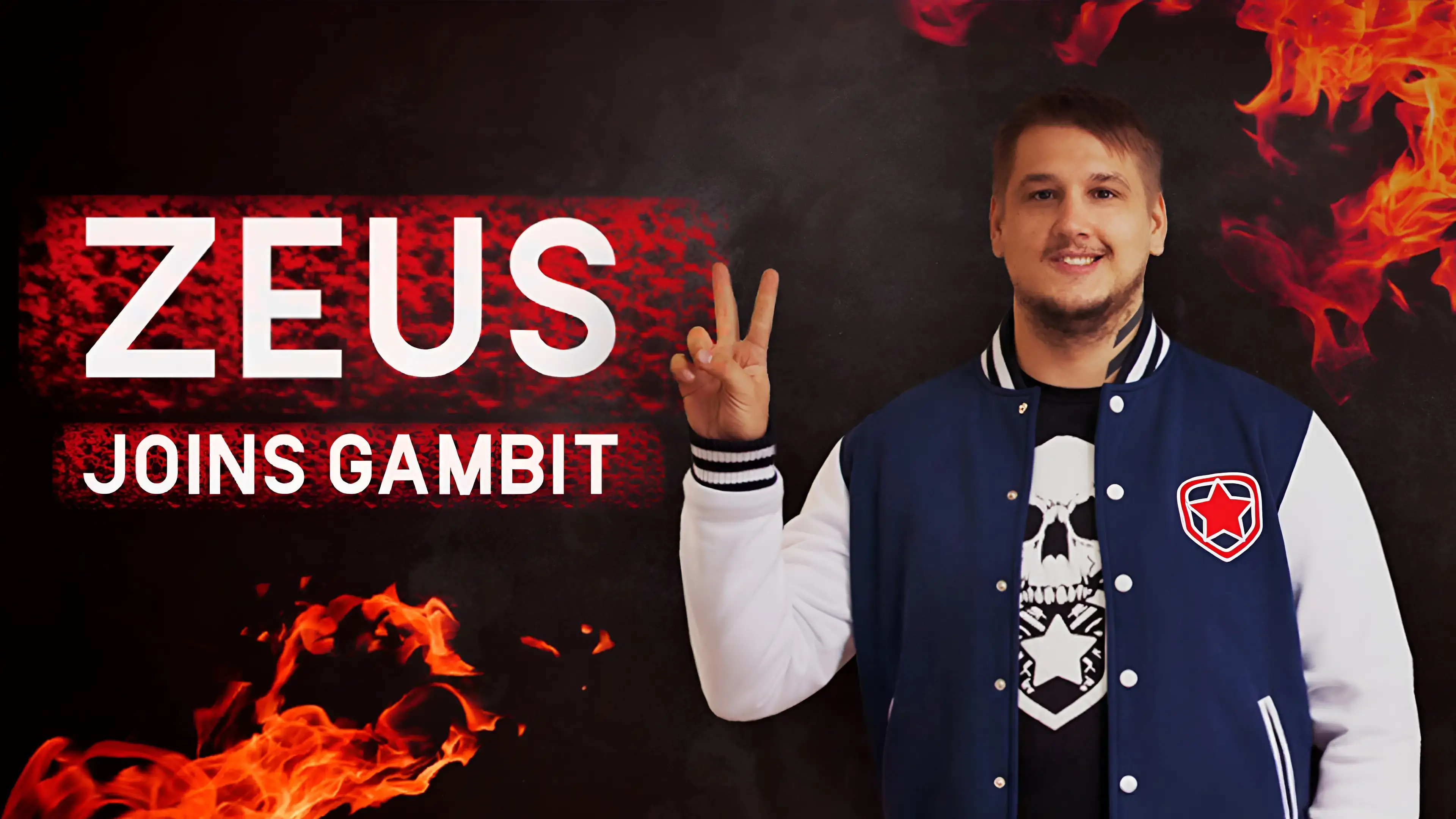
A major shift came with the addition of Danylo “Zeus” Teslenko, a veteran in-game leader with deep experience at the highest level of Counter-Strike. His arrival immediately changed the team’s direction, introducing structure, clarity, and a defined leadership framework that had been missing. Zeus quickly became the central figure around which Gambit’s system began to take shape.
Arrival of Hobbit
The signing of Abay “Hobbit” Khasenov added another key layer to the roster. His consistency in high-pressure moments and ability to deliver impact rounds brought balance to the team’s structure. Paired with Zeus’ leadership, Hobbit’s presence helped stabilize Gambit’s mid-round decision-making and overall firepower distribution.
By the end of this phase, Gambit had shifted from a developing lineup into a more coherent contender, defined by clear roles, experienced leadership, and a growing identity within the Counter-Strike ecosystem.
The Road to Relevance (2016–2017)
The period between 2016 and 2017 marked Gambit Esports’ shift from a developing Counter-Strike roster into a genuine international contender. After stabilizing the core lineup and bringing in experienced leadership, the team started to show steady progress across both regional and international events. This phase was less about sudden breakthroughs and more about gradual consistency and the shaping of a clearer competitive identity.
Early signs of improvement appeared in tier two and tier three tournaments, where Gambit began to regularly trouble more established European sides. Their ability to close out tight series and adjust mid-match pointed to a level of coordination that had been missing in earlier iterations of the roster.
A key milestone during this stretch came with a win at Acer Predator Masters. While not a top-tier event, the result mattered for what it represented. Gambit showed it could hold its nerve in playoff environments and handle pressure against experienced opposition, offering a tangible sign that the project was moving in the right direction.
Building Chemistry
Through 2016, much of Gambit’s progress came from internal refinement rather than roster changes. The team worked on communication, clarified individual roles, and slowly stabilized its map pool. Mid-round decision-making became more structured, allowing players to operate with greater confidence and reducing the inconsistencies that had previously held them back. Over time, chemistry became one of the roster’s defining strengths.
AdreN’s Leadership
A central figure in this evolution was Dauren “AdreN” Kystaubayev, whose experience brought balance to the team’s internal structure. While Zeus handled in-game leadership, AdreN provided composure, adaptability, and a steady presence in high-pressure rounds. His influence was especially evident in games that demanded discipline over aggression, where Gambit often leaned on structure rather than individual plays.
The Veteran Identity
In contrast to many teams of the era that were built around younger, mechanically explosive players, Gambit leaned into a more veteran-heavy identity. The emphasis was on tactical discipline, round planning, and situational awareness rather than raw mechanical output. While opponents often relied on pace and firepower, Gambit stayed competitive through coordination and decision-making.
By the end of this period, Gambit had firmly established itself as a recognized presence on the international stage. The foundations built through structure, leadership, and growing chemistry set the stage for the defining moment that would follow, the team’s breakthrough at the Major.
The Historic PGL Major Kraków Victory (2017)
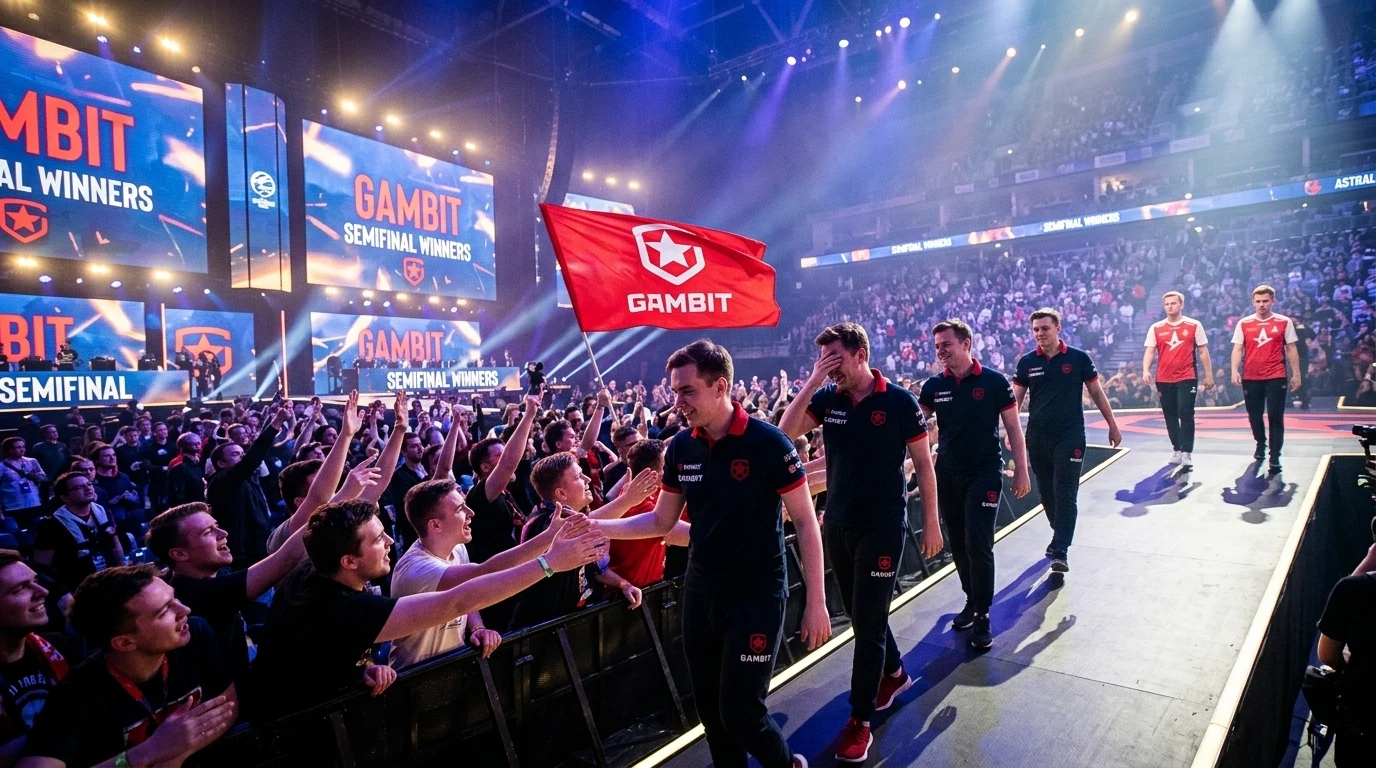
The PGL Major Kraków 2017 remains the defining chapter in Gambit Esports’ history and one of the most unexpected championship runs Counter-Strike has seen. Heading into the event, Gambit were not viewed as serious title contenders, with most predictions centered around established European powerhouses. The roster arrived with relatively low expectations and little external pressure.
Setting the Scene
Gambit entered the Major as a steady but mid-tier contender. Their identity was built around structure and discipline rather than individual star power, and most pre-tournament analysis placed them outside the realistic title conversation.
Group Stage Success
The team immediately disrupted expectations with a flawless 3-0 run through the Swiss stage. Their controlled approach and composure in high-pressure rounds quickly turned them from a safe pick into a genuine playoff threat.
Quarterfinal: Fnatic
Against Fnatic, a team with proven Major-winning pedigree, Gambit delivered a composed and methodical performance. Their strength lay in structured map control and clean late-round execution, which gradually wore down their opponents and secured a landmark victory.
Semifinal: Astralis
The semifinal brought a clash with Astralis, one of the most tactically refined teams in the world at the time. Gambit held their ground through disciplined setups and calm decision-making in crucial rounds, managing to disrupt Astralis’ system and book a place in the grand final.
Grand Final: Immortals
The final against Immortals was a tense, back-and-forth series, but Gambit remained composed in the key moments. Their ability to stay structured under pressure ultimately carried them through a 2-1 win and secured the Major title.
AdreN’s MVP Performance
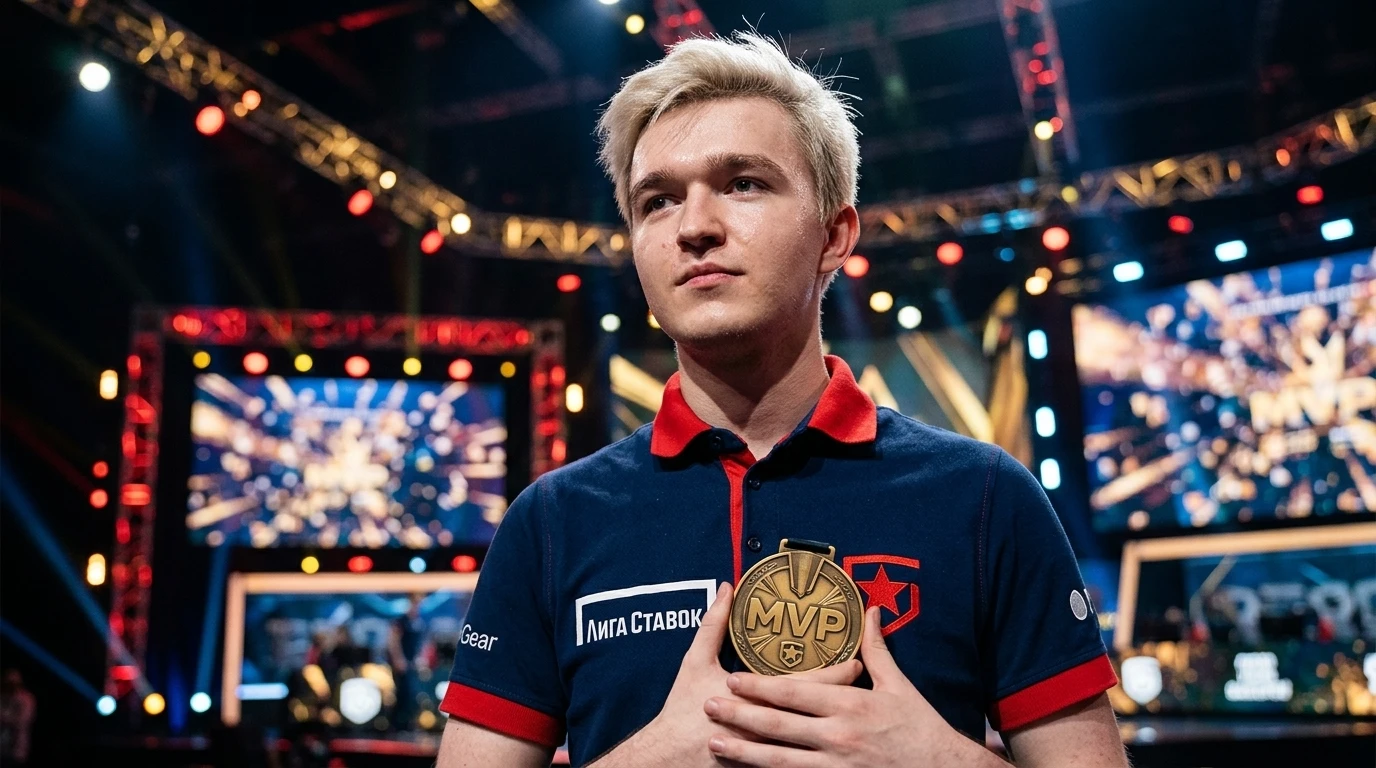
Dauren “AdreN” Kystaubayev delivered one of the most consistent performances of the event, earning the MVP award. His reliability in critical rounds proved decisive throughout Gambit’s playoff run.
Why Nobody Expected Gambit to Win
Gambit’s victory went against the prevailing direction of the meta, where fast-paced, mechanically dominant teams were favored. Instead, they showed that structure, discipline, and experience could still hold up at the very highest level of Counter-Strike.
Why the 2017 Major Win Changed CIS Counter-Strike
Gambit Esports’ victory at the PGL Major Kraków 2017 carried weight that went well beyond the organization itself. It reshaped how the global Counter-Strike scene viewed the CIS region and recalibrated expectations around what teams from that ecosystem could realistically achieve.
First CIS Major Winner
With this win, Gambit became the first CIS team to lift a Counter-Strike Major. It marked a clear break from the past, where the region had produced strong contenders but repeatedly fallen short at the final hurdle. Until then, CIS teams were often seen as dangerous but inconsistent once the stakes were highest.
Validation for Regional Talent
The title also shifted the conversation around CIS players and structures. For years, the region had been associated with raw individual skill but questioned for its tactical consistency. Gambit’s run offered a different example, one where structure and discipline were as important as mechanical ability. It showed that CIS teams could execute layered systems under pressure and not just rely on individual bursts.
Inspiration for Future Teams
After the victory, the perception inside the region began to change. Organizations and players gained clearer belief that international success was not out of reach. That shift encouraged a stronger focus on structured development, coaching, and long-term team building rather than purely talent-driven lineups.
Influence on the Broader Scene
The impact extended into the wider Counter-Strike ecosystem in the following years. Established teams like Natus Vincere continued refining their approach, while newer CIS organizations increasingly invested in scouting networks and coaching infrastructure. Gradually, the region started to be viewed less as unpredictable and more as a consistent source of title-capable teams.
Core Impact
In the long run, Gambit’s Major win redefined the ceiling for CIS Counter-Strike. It moved the region out of the “outside contender” category and into genuine championship territory, setting the stage for the next wave of elite teams to emerge with higher expectations and stronger systems.
The Post-Major Era and Roster Changes
Following the PGL Major Kraków 2017 triumph, Gambit Esports entered a difficult transitional phase. While the title had pushed the team to the peak of Counter-Strike, holding that level proved far more demanding than reaching it. What followed was a period shaped by instability, leadership changes, and a steady drop in consistency on the international stage.
Losing a Championship Core
The first major shift came shortly after the Major, when key figures from the winning roster began to leave. The most significant departure was Danylo “Zeus” Teslenko, the in-game leader who had been central to Gambit’s structured system and tactical identity. His exit left a clear gap in leadership, removing the player who had anchored the team’s decision-making throughout their title run.
Around the same time, coach Ivan “Kane” Ivanov also left the organization. His departure further weakened the framework that had supported Gambit’s preparation and mid-match adjustments. With both leadership pillars gone, the structure that had carried the team to a Major victory was effectively dismantled.
The Challenge of Rebuilding
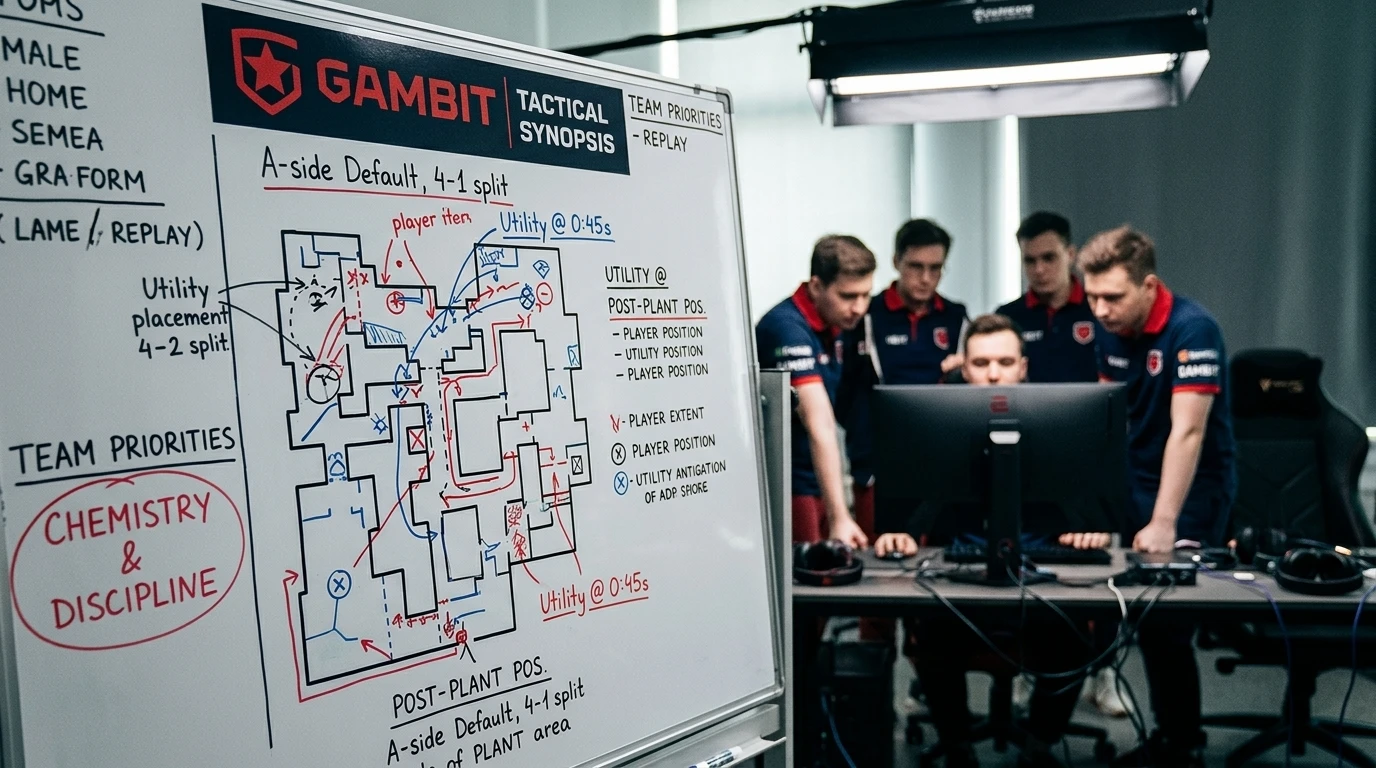
In the aftermath, Gambit were forced into a rebuilding phase that proved far more complex than expected. The remaining roster struggled to reproduce the same level of coordination and discipline that had defined their championship run. Without a stable in-game leader and a consistent coaching presence, the team found it increasingly difficult to adapt against a rapidly improving international scene.
Attempts were made to stabilize form through roster and system adjustments, but consistency remained out of reach. Individual performances still surfaced at times, yet the absence of a cohesive structure made it difficult to convert those moments into sustained results.
As Counter-Strike continued to evolve, Gambit gradually slipped behind teams that had stronger long-term stability and more developed systems in place. The post-Major period ultimately underscored a hard truth of elite competition: breakthrough success is one thing, but sustaining it requires constant rebuilding and adaptation.
Building for the Future: Gambit Academy and Youngsters
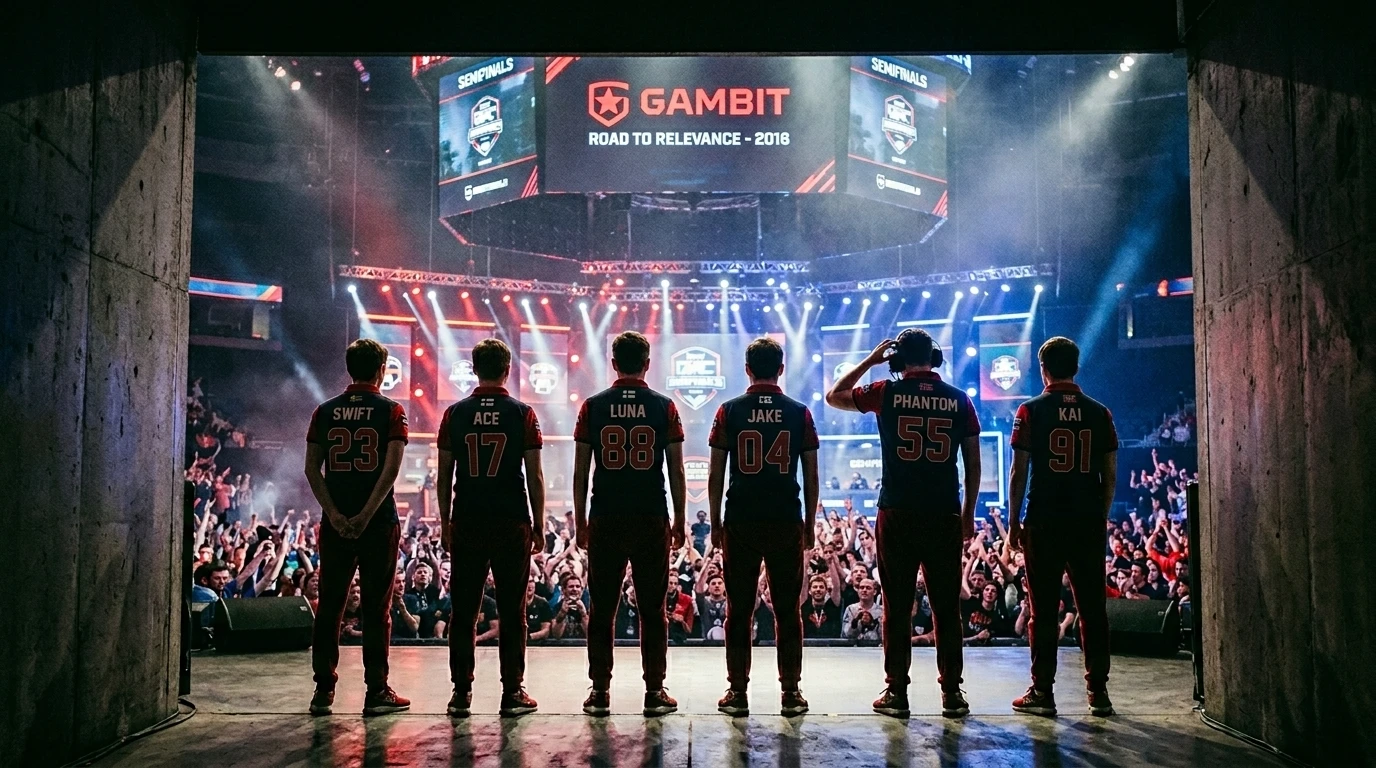
Following the post-Major restructuring period, Gambit Esports shifted its attention toward long-term roster building. Instead of relying on external signings, the organization began investing in an internal development system aimed at identifying and shaping emerging CIS talent.
This approach led to the formation of Gambit Academy, which later evolved into Gambit Youngsters. The roster competed in official events as a developmental unit, giving younger players exposure to structured competition while being closely monitored for potential promotion to the main lineup.
Gambit Youngsters quickly became the organization’s primary talent pipeline. It functioned as a bridge between academy-level play and top-tier Counter-Strike, offering a controlled environment where players could grow within the same system they would eventually be expected to perform in at the highest level.
Over time, the structure produced a group of players capable of competing on the international stage, reinforcing the effectiveness of the model.
This shift marked an important turning point for Gambit. It established a more sustainable approach to roster construction, reducing reliance on external transfers and instead building a clear internal pathway from development squads to elite competition.
The Rise of sh1ro, Ax1Le and nafany
The Gambit Youngsters roster eventually produced a core that would go on to define a new chapter in the organization’s history.
sh1ro
Dmitry “sh1ro” Sokolov developed into a disciplined and highly consistent AWPer. His value came less from highlight-heavy moments and more from reliability, positioning, and composure in late-round situations. He became one of the most dependable pieces in the system, often anchoring rounds that looked unstable.
Ax1Le
Sergey “Ax1Le” Rykhtorov emerged as a flexible rifler capable of adapting across multiple roles. His consistency across maps and ability to consistently convert damage into round impact made him a central source of firepower within the roster.
nafany
Vladislav “nafany” Gorshkov stepped into the in-game leadership role, shaping the team’s direction with a style built around controlled aggression and structured mid-round calls. His approach helped define the team’s pace and overall identity as the roster matured.
interz
Timofey “interz” Yakushin filled the support role with disciplined positioning and steady utility usage. His impact often came without spotlight moments, but his structure allowed the more aggressive players to operate with freedom.
Hobbit’s Return
Abay “Hobbit” Khasenov later rejoined the system, adding veteran experience to a roster dominated by younger players. His presence brought stability in high-pressure matches and helped bridge the gap between academy development and elite-level competition.
Together, this group formed the foundation of a team that would soon rise into one of the strongest forces in global Counter-Strike.
Gambit’s Return to the Top (2020–2021)
Gambit Esports returned to the upper tier of Counter-Strike after promoting its Gambit Youngsters roster to the main team. The lineup featuring sh1ro, Ax1Le, nafany, interz, and Hobbit transitioned directly into elite competition with momentum already built from its development stage.
Promotion to Main Team
The Youngsters roster earned its promotion following a strong run of results in lower-tier events. The move marked a clear shift in direction for the organization, elevating a homegrown unit into Gambit’s primary competitive identity.
Rise Through Competition
Once integrated into the main structure, Gambit quickly established itself as a top-level contender. The team delivered consistent performances across major online tournaments and international events, regularly reaching playoff stages and taking down more experienced opposition along the way.
World Number One Status
The peak of this run came when Gambit climbed to the number one position in the global Counter-Strike rankings. Alongside that achievement, the roster secured multiple notable tournament victories, firmly positioning itself among the strongest teams in the world during this stretch.
This period marked Gambit’s second rise to elite status, this time built entirely around a new generation of players rather than the Major-winning core from 2017.
Timeline of Major Gambit Milestones
The history of Gambit Esports can be traced through a series of defining moments that shaped its rise, peak, and eventual transition out of active competition. Each milestone reflects a shift in structure, talent development, and competitive direction.
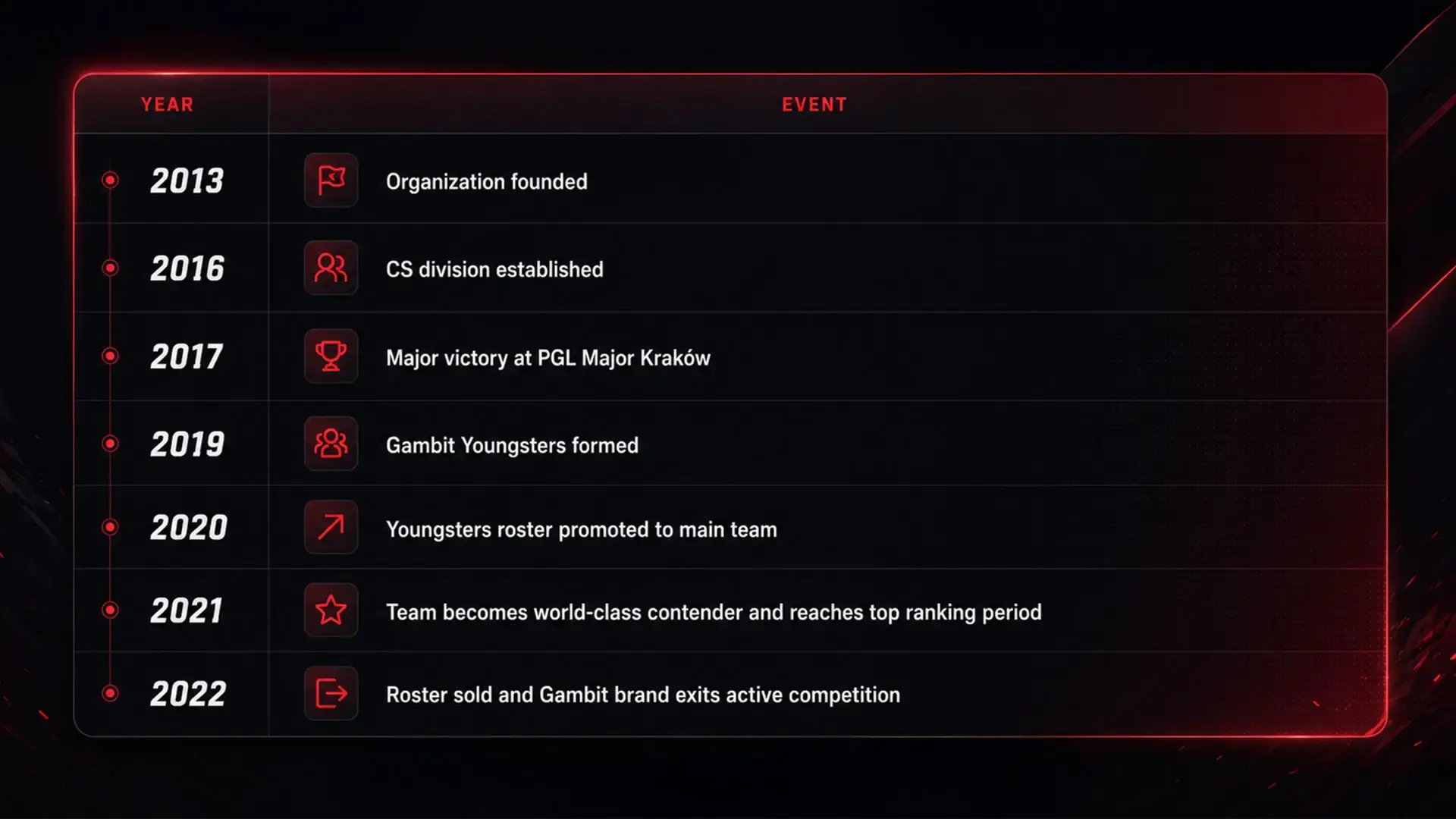
This timeline captures how Gambit evolved from a multi-title esports organization into a globally recognized Counter-Strike force. The early years were focused on expansion and establishing a presence across multiple games, while the 2016 entry into Counter-Strike set the foundation for its most impactful competitive era.
The 2017 Major victory remains the defining achievement in the organization’s history. It made Gambit the first CIS team to win a Counter-Strike Major and significantly elevated the region’s standing on the global stage. What followed was a period of transition, which ultimately led to one of the most successful academy-driven rebuilds in Counter-Strike.
The creation of Gambit Youngsters in 2019 and their promotion in 2020 marked a rare second peak for the organization. By 2021, the roster had reached the top of the global rankings, proving the effectiveness of Gambit’s internal development system across different eras.
The final phase arrived in 2022, when organizational changes led to the roster being sold and Gambit stepping away from active Counter-Strike competition. Even so, the systems, players, and achievements from each era continue to shape how the organization is remembered within esports history.
Legendary Players Who Defined Gambit
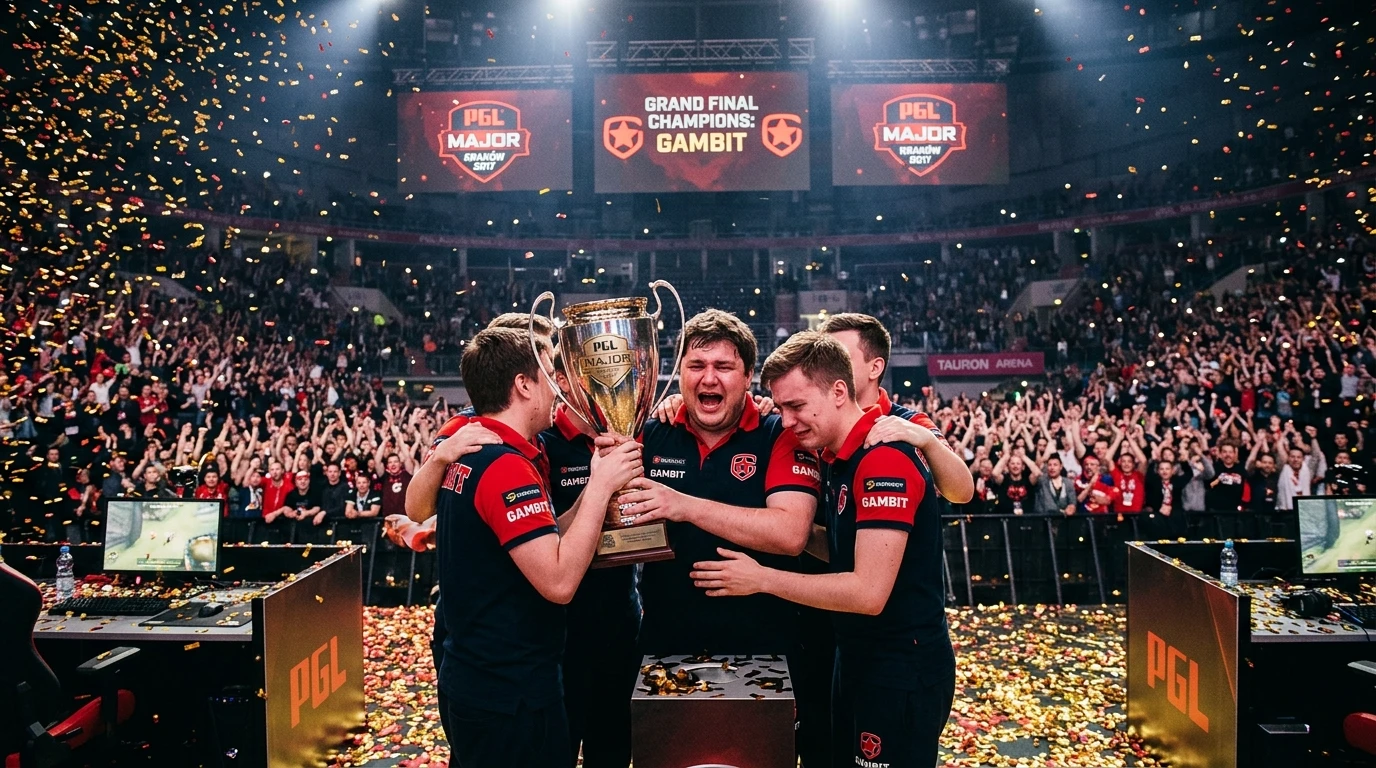
Across its different eras, Gambit Esports was shaped not only by systems or results, but by the individuals who gave each roster its identity. From experienced leaders who laid the foundation to younger players who carried the organization into its second peak, each figure added a distinct layer to Gambit’s history.
Zeus
Danylo “Zeus” Teslenko was one of the most influential in-game leaders in Gambit’s history. His arrival brought structure, discipline, and a clearer tactical framework during a crucial development phase. Known for his calm approach in high-pressure moments and strong mid-round direction, Zeus helped stabilize the roster and guide it toward its breakthrough 2017 Major run.
AdreN
Dauren “AdreN” Kystaubayev became the defining player of Gambit’s greatest achievement. As a seasoned competitor in CIS Counter-Strike, he delivered consistency and composure throughout the Major-winning campaign. His ability to perform in key moments gave the roster a reliable anchor, reinforcing the value of experience within a structured system.
Dosia
Mihail “Dosia” Stolyarov brought a more unpredictable edge to Gambit’s lineup. Known for his aggressive tendencies and instinctive plays, he often created impact in rounds where structure alone was not enough. Alongside his in-game contributions, he became one of the most recognizable personalities from the roster, remembered for his ability to swing momentum in crucial situations.
Hobbit
Abay “Hobbit” Khasenov served as a link between Gambit’s two defining eras. As part of the 2017 Major-winning team and later the academy-driven resurgence, he represented continuity within an evolving organization. His adaptability allowed him to remain effective across different systems, making him one of the few constants through Gambit’s transitions.
sh1ro
Dmitry “sh1ro” Sokolov emerged as one of the standout products of Gambit’s academy system. His AWPing style prioritized efficiency, positioning, and consistency over risk, making him a stable backbone in late-round situations. His rise reflected the success of Gambit’s internal development model in producing elite-level talent.
Ax1Le
Sergey “Ax1Le” Rykhtorov developed into one of the most reliable riflers of his generation. His ability to adapt across roles and consistently deliver high damage output made him a central figure in Gambit’s second peak. His progression from academy prospect to top-tier performer underscored the effectiveness of the organization’s long-term development structure.
Gambit’s Impact on Esports and Legacy
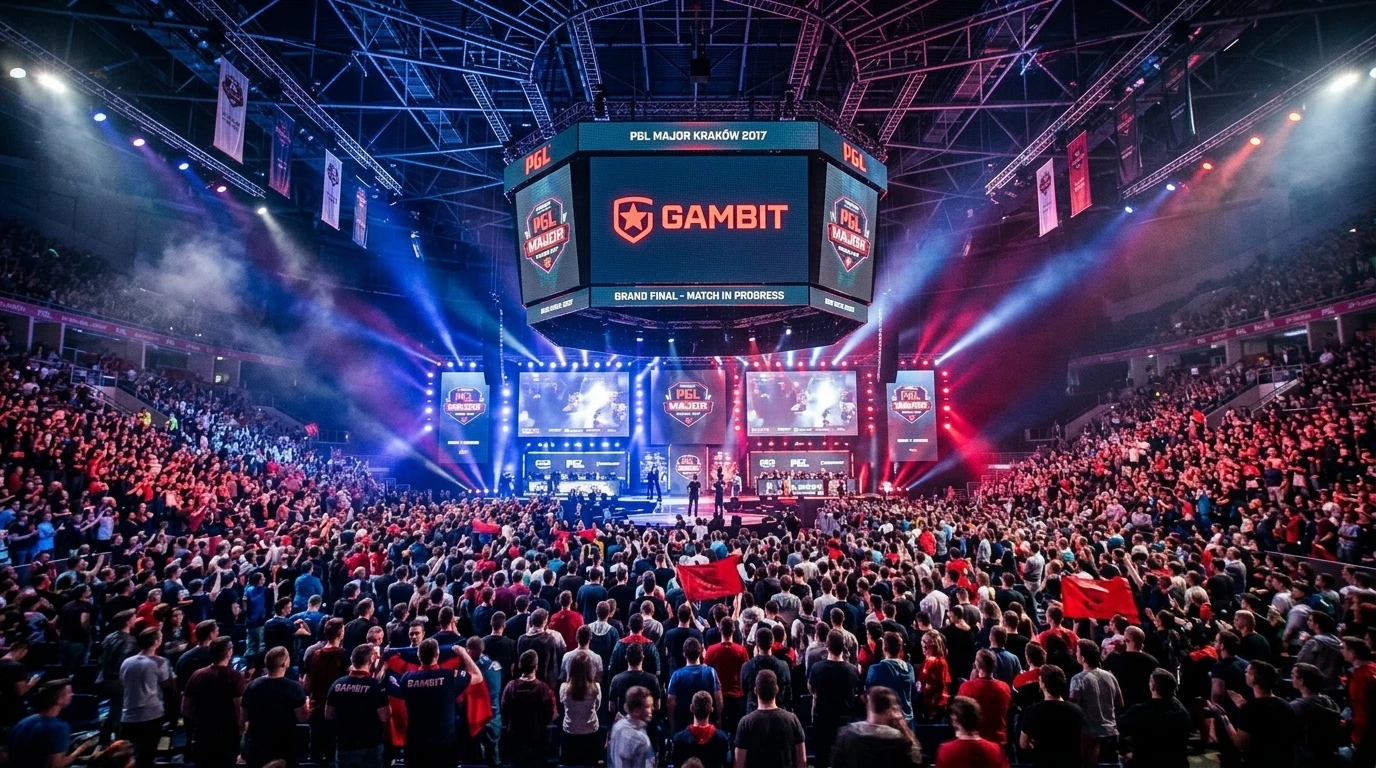
Gambit Esports left a clear mark on competitive gaming, particularly in the CIS region, where its 2017 Major victory helped establish the area as a consistent source of world-class Counter-Strike talent. The organization also influenced how teams approached long-term development, especially through structured scouting and internal player progression systems.
Its academy model became one of the more notable examples of sustainable roster building in esports. Rather than relying heavily on external transfers, Gambit showed that young talent could be developed into championship-caliber players within a single organizational framework. That approach went on to shape expectations around development pipelines across multiple teams and regions.
By 2022, Gambit’s competitive operations effectively came to a close after its main roster was transitioned to Cloud9, marking the end of its active presence in top-tier Counter-Strike. While the organization stepped away from competition, many of its players and systems continued competing at the highest level under new banners.
Gambit Esports has since been integrated into the Zero1Gaming network, which preserves its competitive history, rosters, and achievements in a centralized esports archive. This ensures its story remains accessible in a structured format for fans, analysts, and researchers.
Rather than existing as an active organization, Gambit now stands as a documented legacy within the broader esports ecosystem, remembered for its Major triumph, its academy-driven resurgence, and its lasting influence on modern Counter-Strike.
The End of the Gambit Brand
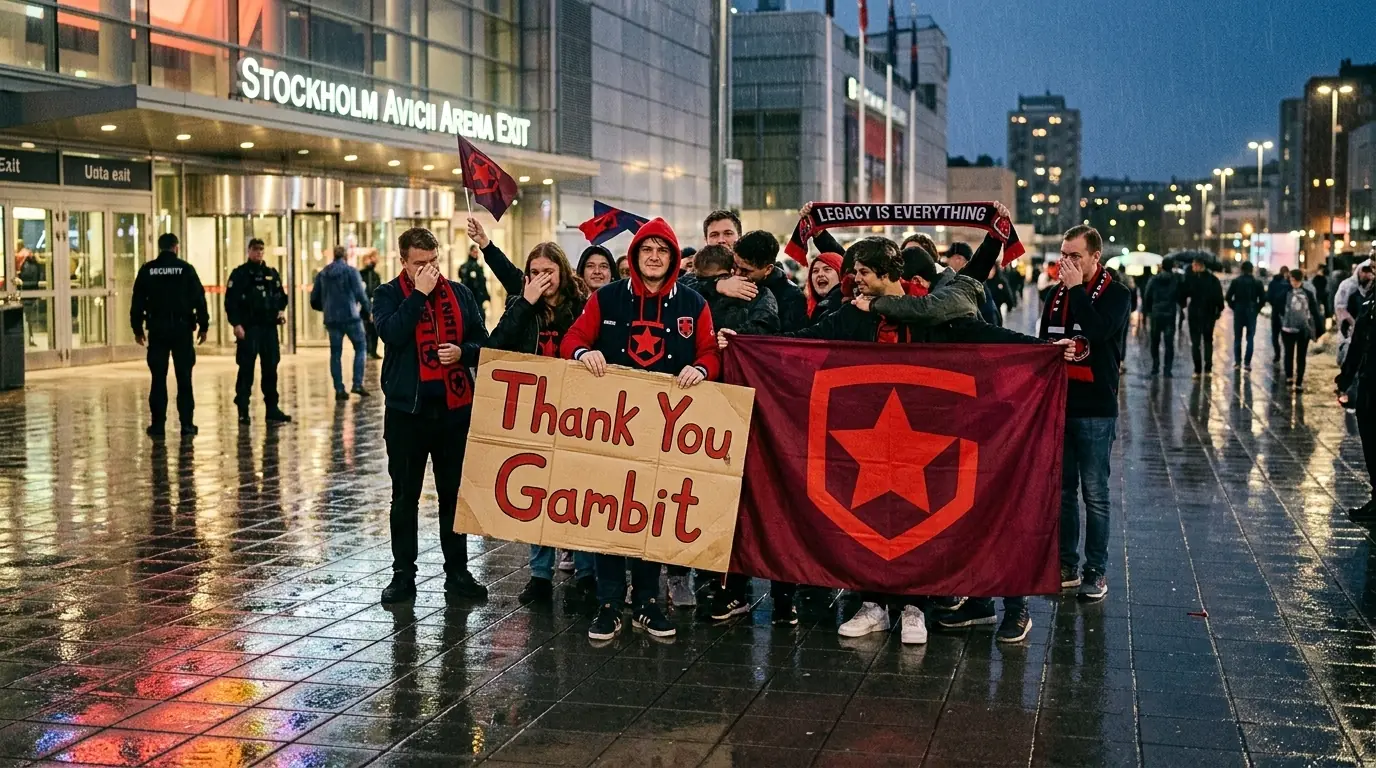
By 2022, Gambit Esports reached the final stage of its competitive journey. After multiple successful eras in Counter-Strike, the organization’s active presence at the top level came to an end amid broader structural changes affecting the global esports landscape.
During this period, competitive restrictions and organizational complications involving Russian-based esports entities created major obstacles for teams operating under the Gambit banner. These developments disrupted standard participation pathways in international events and forced organizations to rethink their long-term competitive plans.
As a result, Gambit’s highly successful Counter-Strike roster, which had reached world number one status the previous year, was eventually sold and transitioned to Cloud9. The move marked a significant turning point, as the core lineup developed through the Gambit Youngsters system continued its journey under a new organizational identity.
With the transfer of its flagship roster, Gambit effectively stepped away from elite Counter-Strike competition. Its active operations gradually wound down, and its presence in international tournaments came to an end. While the brand itself remained well known, it no longer operated as a competing force within the esports ecosystem.
Even after stepping away from competition, Gambit’s influence remained visible. The players it developed, the systems it introduced, and the achievements it secured continued to shape the competitive environment. Much of its legacy lived on through the success of players who emerged from its academy structure and carried that experience into new teams.
The end of Gambit’s competitive era was less a collapse and more a transition. The organization closed its active chapter while leaving behind a framework and history that continues to inform modern Counter-Strike.
Where Are Gambit’s Players Today?
Following Gambit Esports’ transition away from active competition, its core roster continued their careers across different teams and roles within professional Counter-Strike.
Zeus
Danylo “Zeus” Teslenko retired from top-level competition after his time as an in-game leader and is no longer active as a professional player.
AdreN
Dauren “AdreN” Kystaubayev stepped away from elite competition and later moved into coaching and mentorship roles within esports.
Hobbit
Abay “Hobbit” Khasenov remained active in professional Counter-Strike after his time in Gambit, continuing to compete at tier-one level across multiple teams.
sh1ro
Dmitry “sh1ro” Sokolov carried on his career as a top-tier AWPer, staying active at the highest level of professional Counter-Strike.
Ax1Le
Sergey “Ax1Le” Rykhtorov continued competing as a rifler in elite Counter-Strike, maintaining his presence in international tier-one play.
nafany
Vladislav “nafany” Gorshkov also remained active after Gambit’s roster transition, continuing his career as an in-game leader in professional competition.
Together, these players carried forward the experience and structure developed during their time in Gambit into the broader competitive scene.
Gambit’s Legacy Lives On Through Zero1Gaming
Gambit Esports is no longer active in competitive play, but its presence continues through its integration into the Zero1Gaming network. The transition reflects a shift away from competition and toward preservation, ensuring that the organization’s history, achievements, and broader impact remain accessible within a structured esports archive.
Legacy Preservation
Within the Zero1Gaming ecosystem, Gambit’s competitive history is maintained as part of a centralized archival framework. This includes its roster changes, tournament results, and the key eras that defined its Counter-Strike journey. The aim of this structure is to preserve Gambit’s story in a way that allows fans and analysts to revisit one of esports’ more influential organizations in a consistent, organized format.
Why Gambit Still Matters
Gambit’s relevance has endured largely because of two defining pillars: its 2017 PGL Major victory and its academy-driven rebuild years later. The Major win remains a landmark moment for CIS Counter-Strike, while the academy system set a clear example of how structured talent development can produce world-class players. Together, these achievements continue to make Gambit a frequent reference point in conversations around team building and regional development.
Continuation of Community
Beyond results and records, Gambit’s fanbase has continued to engage with its history through the Zero1Gaming platform. Supporters from both the Major-winning era and the academy era still follow legacy content and discussions, keeping a sense of continuity around the organization even after its competitive exit.
Through Zero1Gaming, Gambit’s story is preserved and framed within the wider evolution of esports. While its competitive chapter has ended, its influence remains visible in how modern Counter-Strike approaches structure, development, and long-term team building.
Conclusion
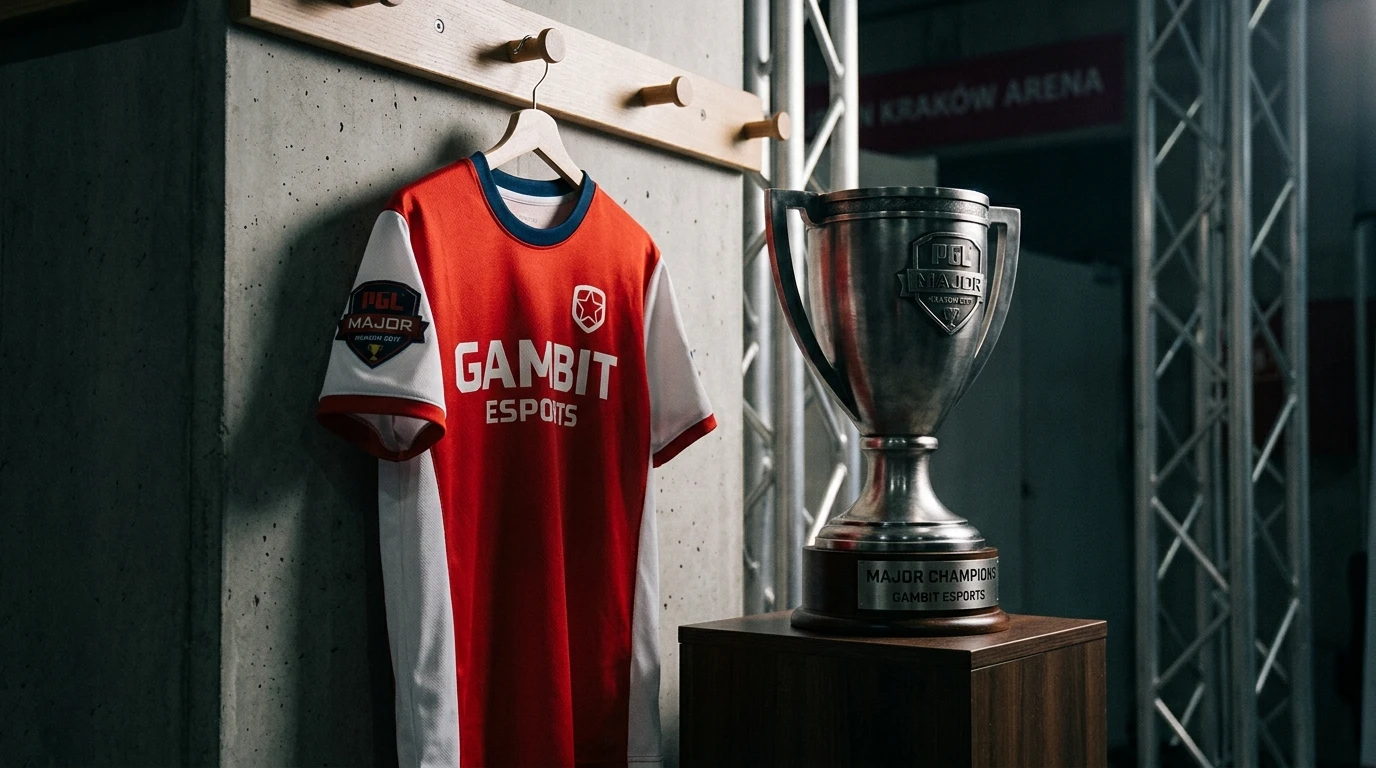
Gambit Esports remains one of the more defining organizations in Counter-Strike history, with a legacy built on both breakthrough success and long-term structural influence. As the first CIS team to win a Major, Gambit shifted global perception of the region and showed that disciplined, system-driven teams could compete at the highest level of the game.
Over the years, the organization became home to several notable veterans in esports, including Zeus, AdreN, Dosia, and Hobbit, each contributing to defining moments across different phases of competitive Counter-Strike. At the same time, Gambit also served as the starting point for a new generation of talent through its academy system, producing players such as sh1ro, Ax1Le, and nafany, who went on to shape the modern competitive landscape.
Its influence extended beyond Counter-Strike as well, particularly in how organizations approached scouting, player development, and long-term roster building. Even after stepping away from active competition, Gambit continued to be referenced as a model for both championship-winning structure and sustainable talent pipelines.
For fans, the Gambit name still holds significance because it represents more than just results. It reflects two distinct eras of success, built through different methods, both ultimately reaching the highest level of competitive Counter-Strike.
Tagged In
NewsGambit EsportsCounter-strikeEsportsCIS RegionTeam HistoryMajor ChampionsPlayer DevelopmentPGL Major Kraków
Discussion
0We want to hear from you. Share your perspective in the comments below, and please keep the conversation respectful.
Log in to join the discussion - vote, reply, and share your take.
Log In