
The 13 Best Bandai Namco Games
Bandai Namco's best games can make one maze last for decades or turn a wrong road into an entire evening.
Bandai Namco's catalog reaches back to the arcade era and extends well beyond games made inside its own studios. Its strongest releases are usually easy to explain, but they leave enough room for skill or curiosity to take over.
For this ranking, a Bandai Namco game is any title developed or published by Bandai Namco or its predecessor Namco. The order considers how well each release plays now alongside what it achieved at the time. Where versions differ, the entry refers to the release named in the heading.
13. Little Nightmares II
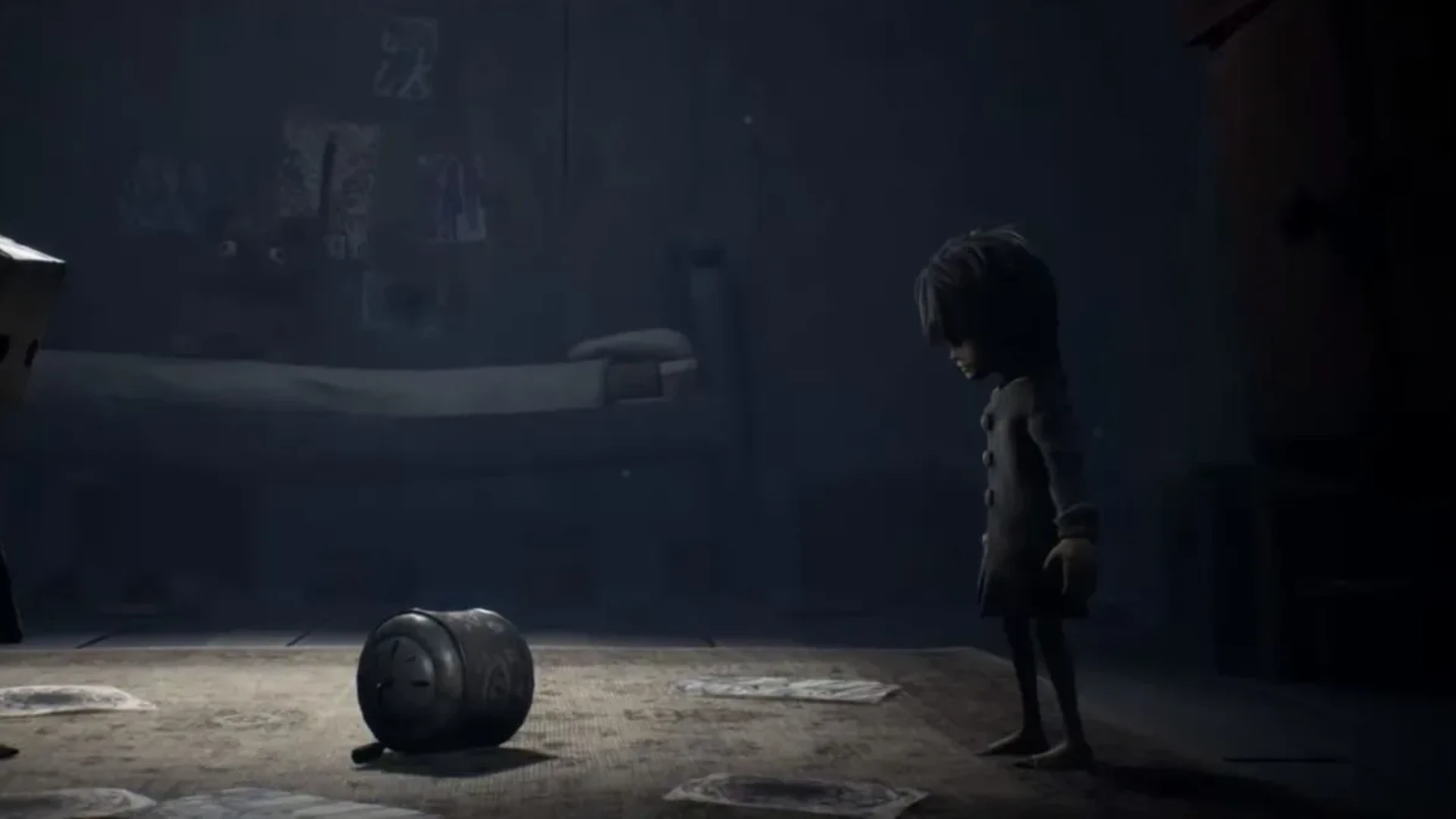
Little Nightmares II is a cinematic puzzle-platformer about Mono and Six, two children crossing a city built for much larger and less friendly residents. Mono has no dialogue, and the camera often stays far enough away to make him look like a toy wandering through someone else's room. That distance also gives each space a clear shape before something starts chasing him.
The hospital contains one of the game's best puzzles. An X-ray machine reveals a key hidden inside a stuffed toy, but finding it is only the first step. Mono must carry the correct toy to an incinerator and burn it open. The solution fits the building rather than feeling like a lock placed there for a game. Combat is less convincing. Swinging a heavy hammer as a small child looks appropriately desperate, but the timing is too stiff for encounters that kill Mono with one missed strike.
12. Tales of Vesperia: Definitive Edition
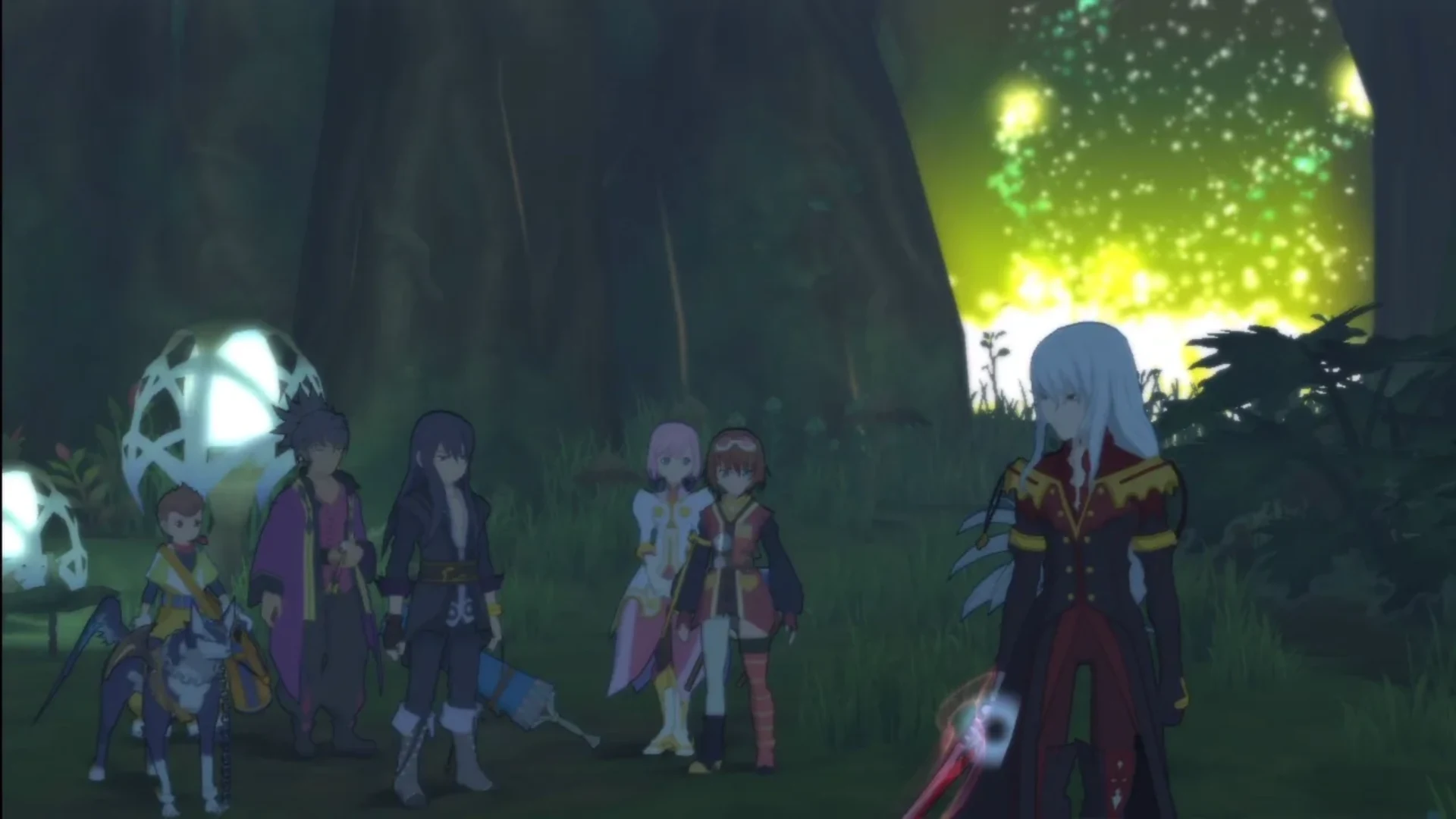
Tales of Vesperia begins with Yuri Lowell leaving the capital to recover a stolen device that supplied water to his neighborhood. It grows into a long action RPG about the unequal way the empire treats its citizens. Yuri helps because a problem is in front of him, not because he is waiting to discover a heroic destiny. His willingness to make ugly choices gives the party's arguments real weight.
Battles happen in real time, with Yuri chaining sword strikes into special attacks called artes. Equipment matters for more than its stats. A weaker weapon may teach a useful skill, so replacing it immediately can be the wrong decision. Keeping it equipped long enough makes that skill permanent and opens another option for the rest of the game.
Vesperia takes too long to explain some of these systems, and its final act loses the focus of the earlier political story. The party skits remain worth stopping for because they let small disagreements carry across the journey.
11. Dragon Ball FighterZ
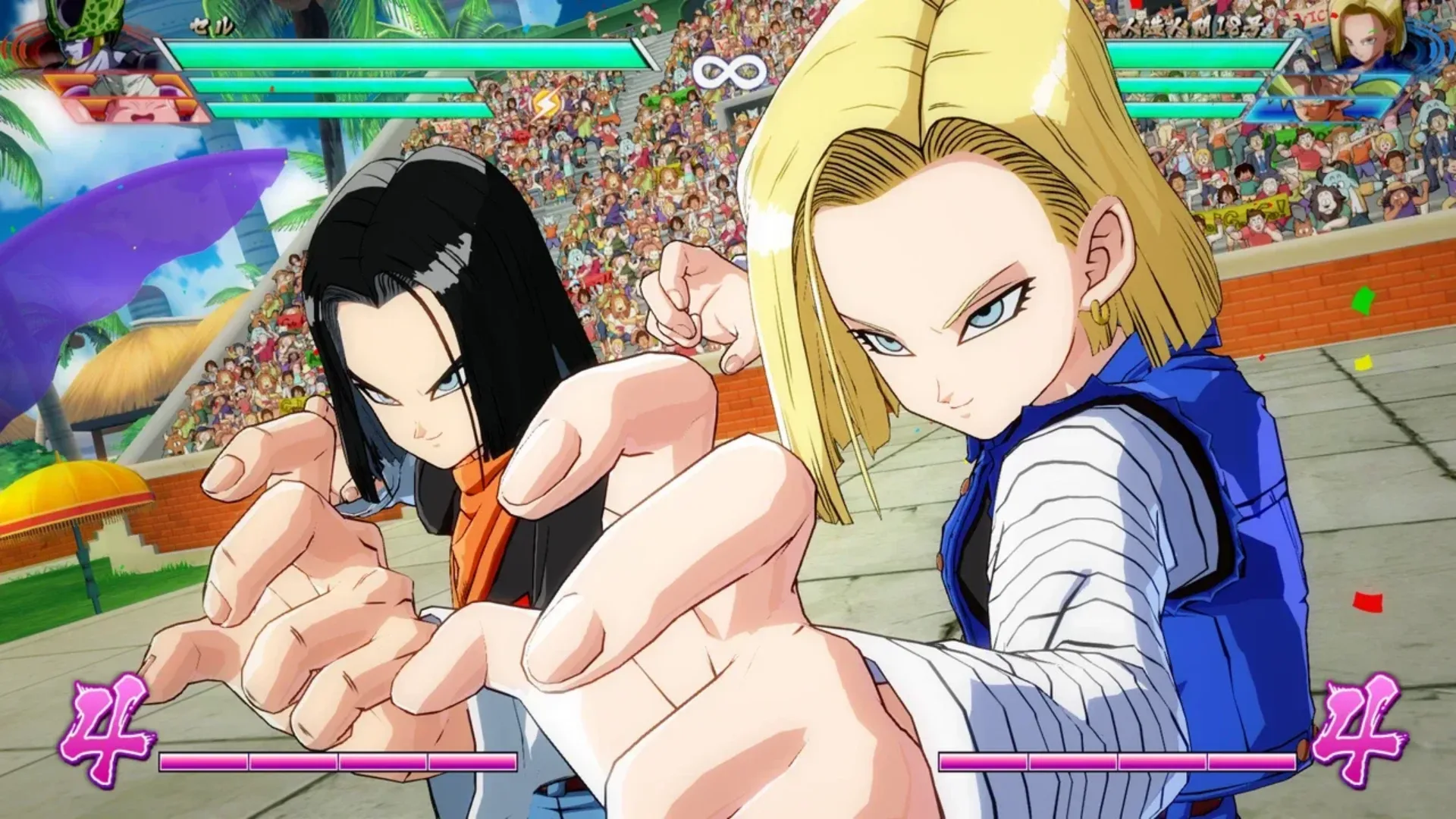
Arc System Works turned Dragon Ball into a three-on-three tag fighter that works even if the source material is unfamiliar. One character fights while the other two can briefly jump in as assists. The controls allow simple auto-combos, but strong teams depend on knowing which assist covers the gap after an attack.
Super Dash captures the appeal and danger of FighterZ. It sends a character flying directly toward the opponent, cutting through ordinary projectiles and starting an air combo on contact. Used carelessly, it is vulnerable to a crouching heavy attack. After learning that counter, newcomers stop treating Super Dash as a free approach. Spectacle does not remove the need to read an opponent.
The story mode repeats too many fights against color-swapped clones, but local and online matches deliver the speed the campaign keeps interrupting.
10. R4: Ridge Racer Type 4
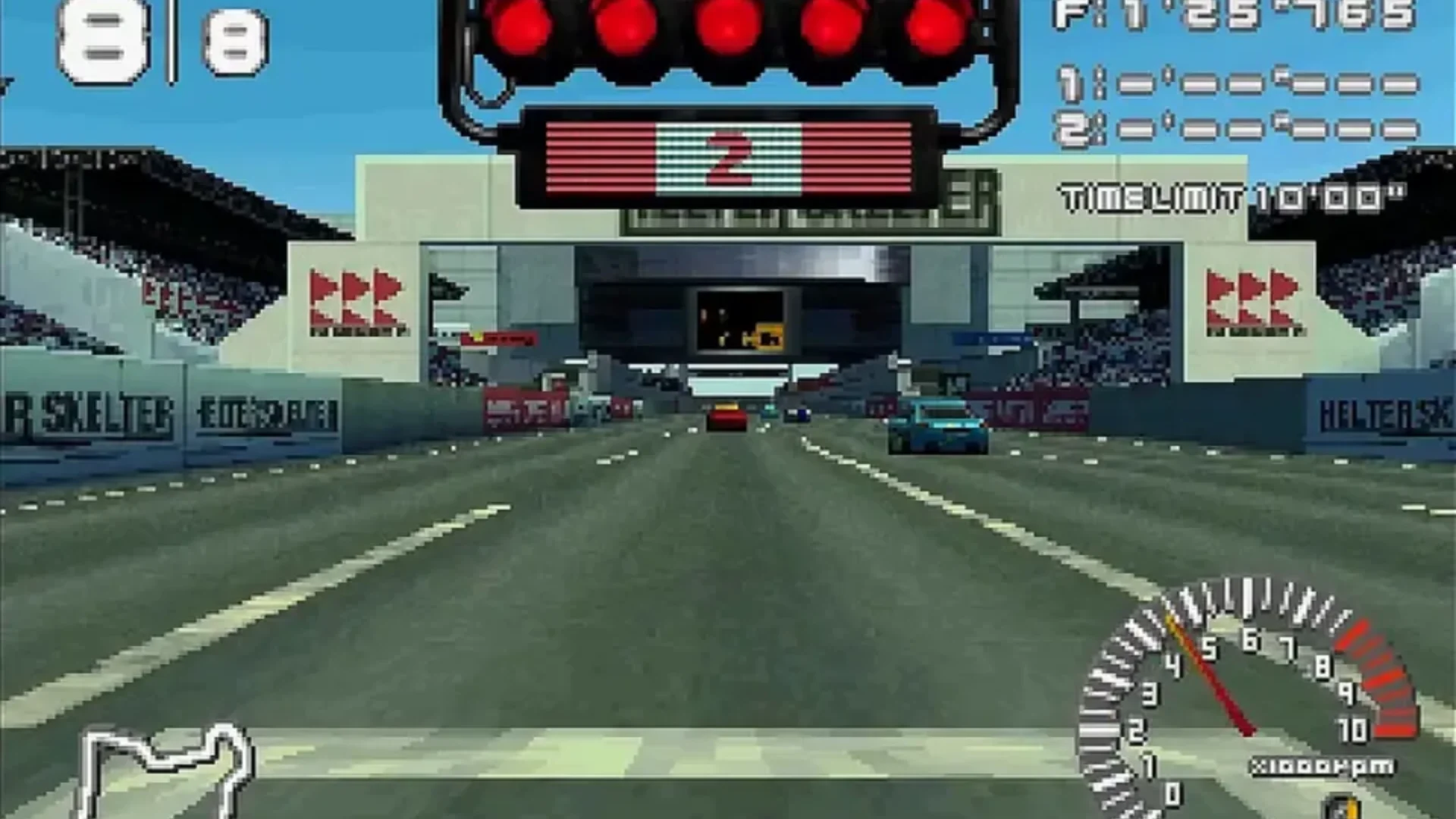
Ridge Racer Type 4 is a 1998 arcade-style racer about carrying speed through corners rather than simulating every part of a car. Unlike earlier games in the series, it skipped arcades entirely and arrived as a PlayStation console exclusive.
Drift models break traction easily and ask for controlled slides, while grip cars offer a calmer route around the same bend. The Grand Prix campaign gives each racing team its own manager and story. Finishing second can therefore feel like disappointing a person instead of missing an unlock. Its short track list is reused in both directions, but the warm night lighting and mellow soundtrack give every return visit a strong sense of place.
9. Ace Combat 7: Skies Unknown
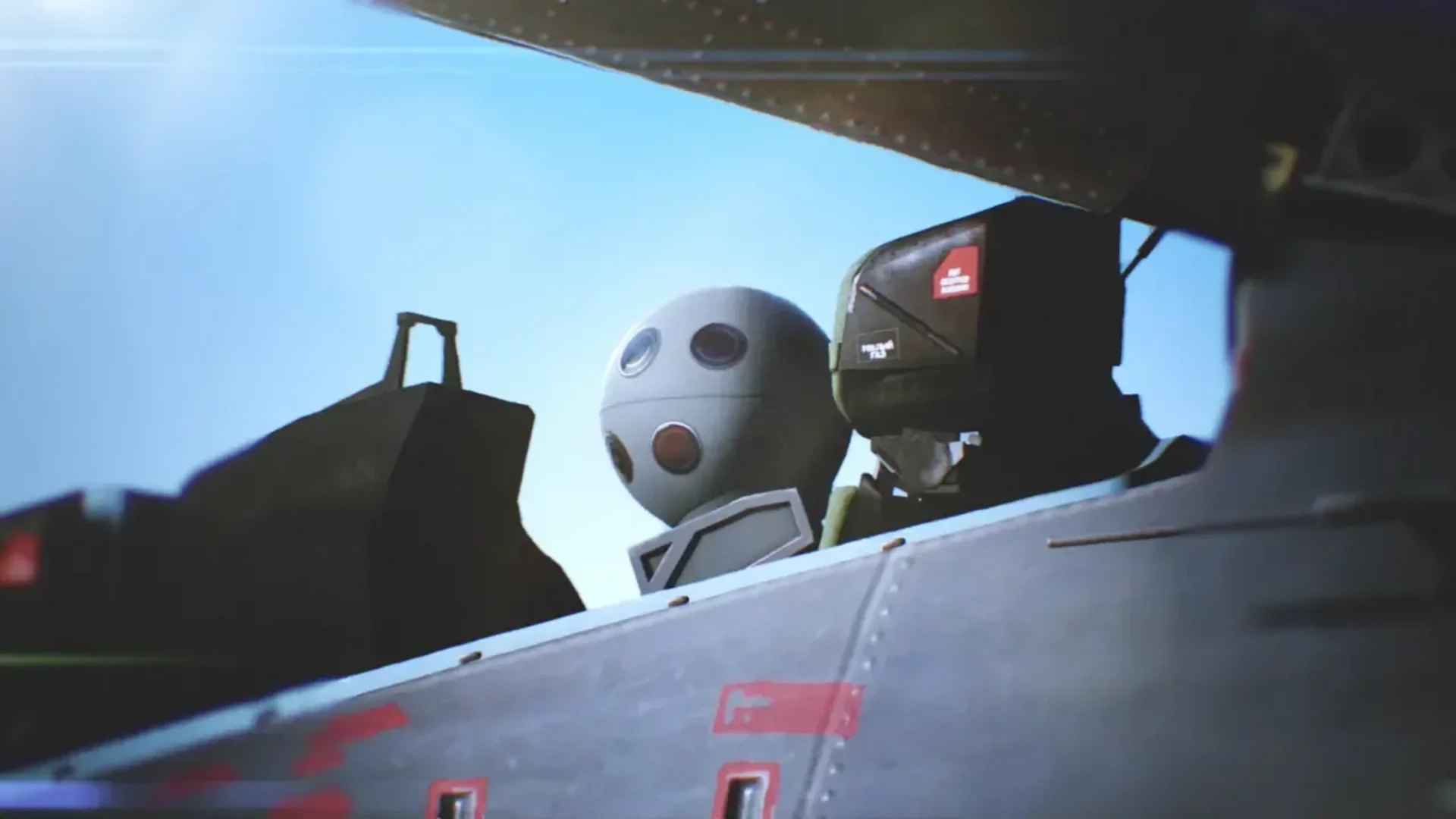
Ace Combat 7 puts a large supply of missiles on modern fighter jets and sends pilot Trigger into a fictional war. It is an action game rather than a flight simulator. The aircraft still carry enough weight that lining up a shot while pulling out of a dive takes concentration.
Clouds affect the fight instead of decorating it. Entering one can break visual contact and make a missile lose its target. Staying inside too long risks icing the aircraft. The mission Faceless Soldier builds an entire problem around that cover, with satellite weapons forcing Trigger below the clouds while radar sites wait on high ground. Some score-based missions are harsher than they need to be, especially when a failed run means repeating a long opening section. The radio drama also throws names and military factions around faster than the campaign can make them matter.
8. Tekken 8
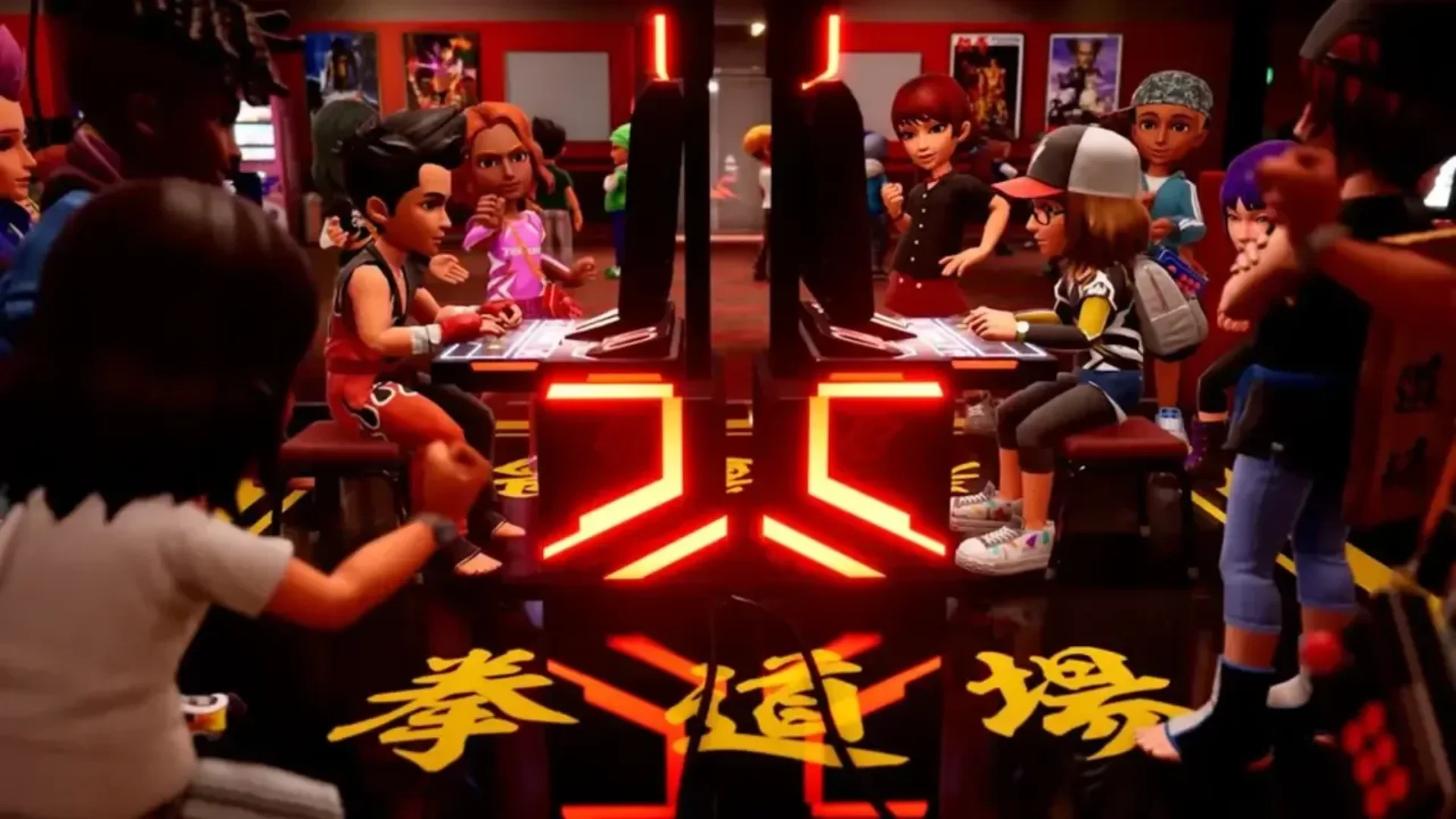
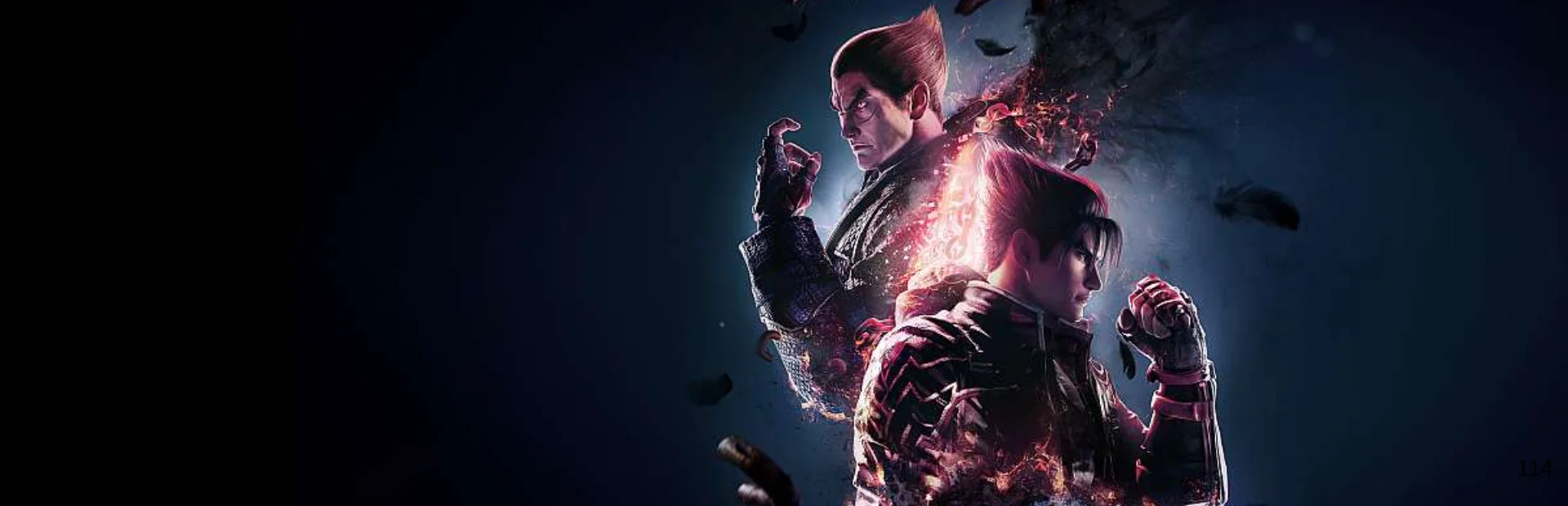
Tekken 8 is a 3D fighting game where each face button controls one limb. A new fighter can learn a basic string quickly, then spend months finding the right move for an opponent stepping sideways. The animation sells those differences. A blocked kick looks heavy enough to explain why the attacker remains vulnerable.
The Heat system pushes every round toward offense. Landing a Heat Engager activates the state and carries the attacker forward, removing the pause that might normally follow a hit. Some damage also remains recoverable until the injured fighter earns it back by attacking. It produces exciting comebacks, though long pressure sequences can make careful defense feel less valuable than the series once allowed.
Bandai Namco continues to adjust that balance. Season 3 began in March 2026 with a rank reset and changes intended to reduce extreme outcomes. Kunimitsu joined the roster in May, with further characters planned.
7. Katamari Damacy
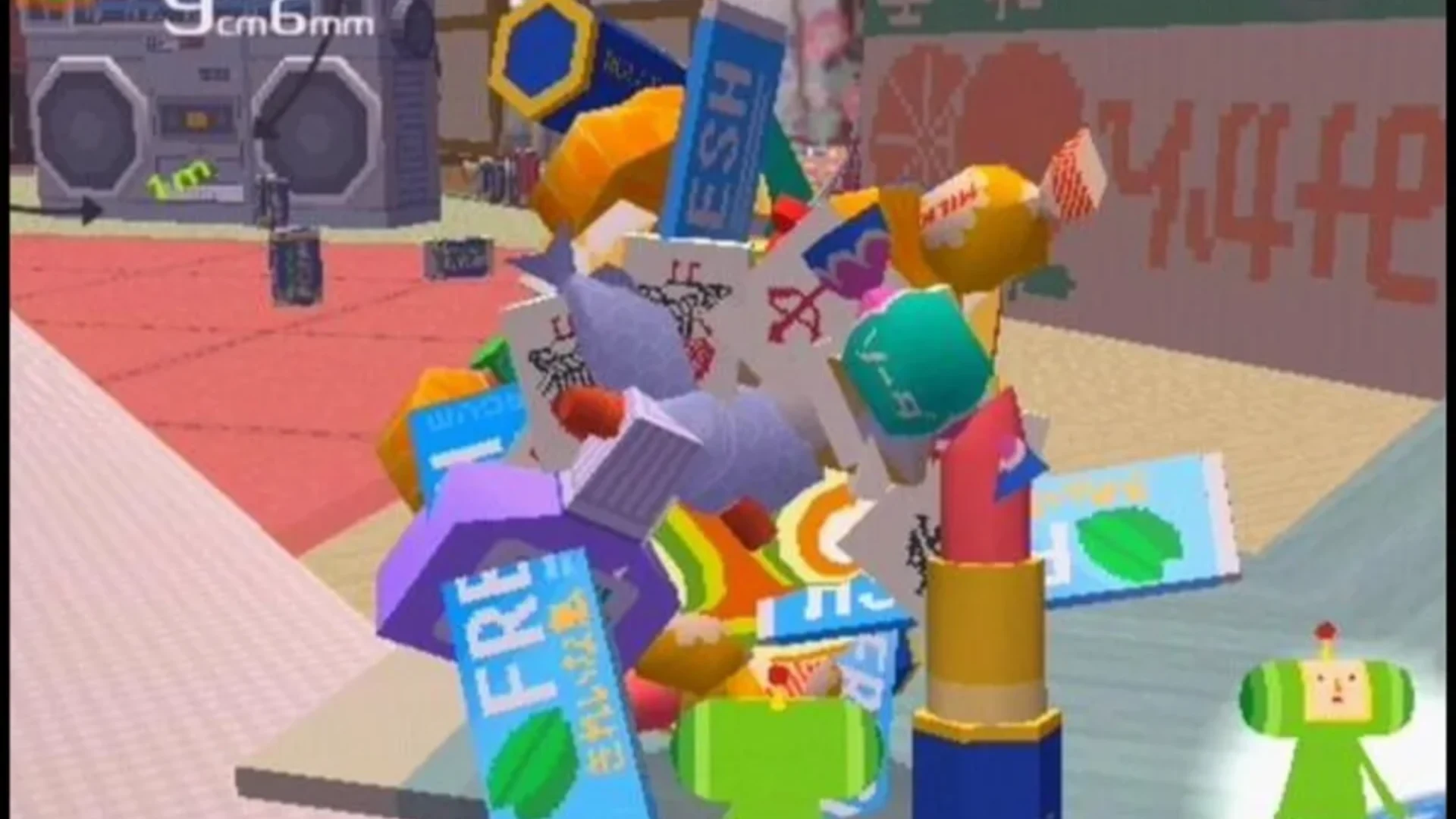
Katamari Damacy asks the tiny Prince to rebuild the stars by rolling a sticky ball across Earth. Anything smaller than the katamari joins the clump. Anything larger knocks it off course. A thumbtack that blocks progress in the first minute can be swallowed on the next pass, and the same rule eventually applies to entire buildings. That change in scale provides all the progression the game needs.
The twin-stick controls initially feel like steering a shopping cart from behind, but their resistance stops the growing ball from becoming weightless. Katamari Damacy Reroll preserves that odd handling on modern platforms.
6. Soulcalibur II
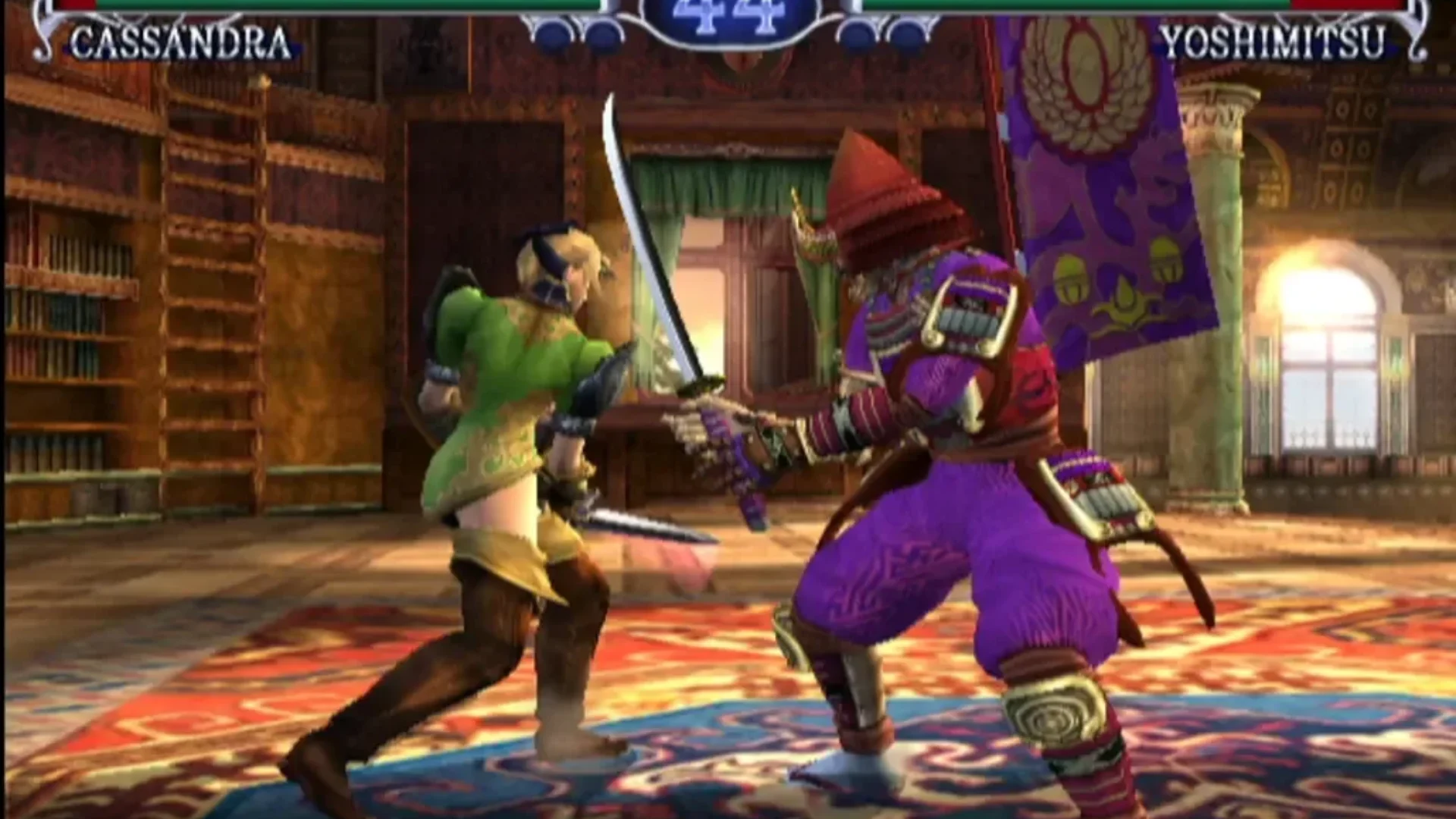
Soulcalibur II is a weapon-based fighting game where the shape of an attack matters as much as its speed. A vertical strike can punish someone standing in front of Mitsurugi, but a sidestep makes that sword cut empty air. Horizontal attacks catch that movement. The exchange is obvious during a first match. Guard Impact gives experienced opponents another way to disrupt it.
Weapon Master mode gives the home version a proper solo campaign. Its fights alter the usual conditions, then pay out gold for weapons with different properties. The equipment is not perfectly balanced, which is part of the fun outside competitive matches. Each console also received its own guest fighter.
Link fits the GameCube version so naturally that he still feels like part of the roster rather than a promotional extra.
5. Pac-Man Championship Edition DX
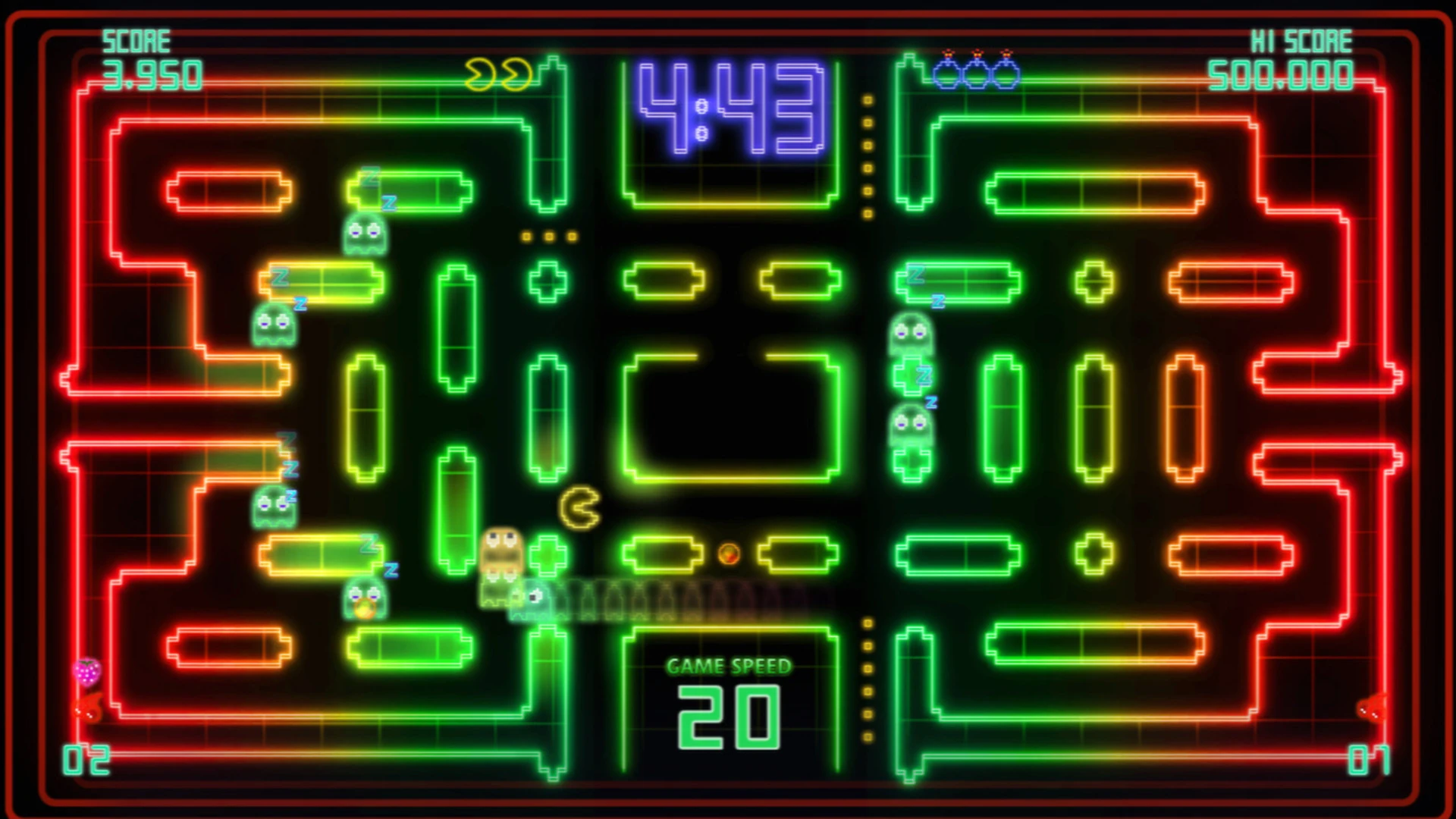
Pac-Man Championship Edition DX takes the old maze game and changes the goal from survival to controlled greed. Sleeping ghosts wake when Pac-Man passes them, forming a long train behind him. Collecting a power pellet turns that danger into points, so the best route is often the one that gathers more pursuers before fighting back. Five-minute Score Attack gives every turn a cost.
A safe loop may preserve the run while losing the multiplier needed for the leaderboard. Slow motion offers a moment to escape when a ghost gets close, but it cannot rescue a poor route. DX feels fast because each turn affects the score, not because the maze behaves randomly.
4. Pac-Man
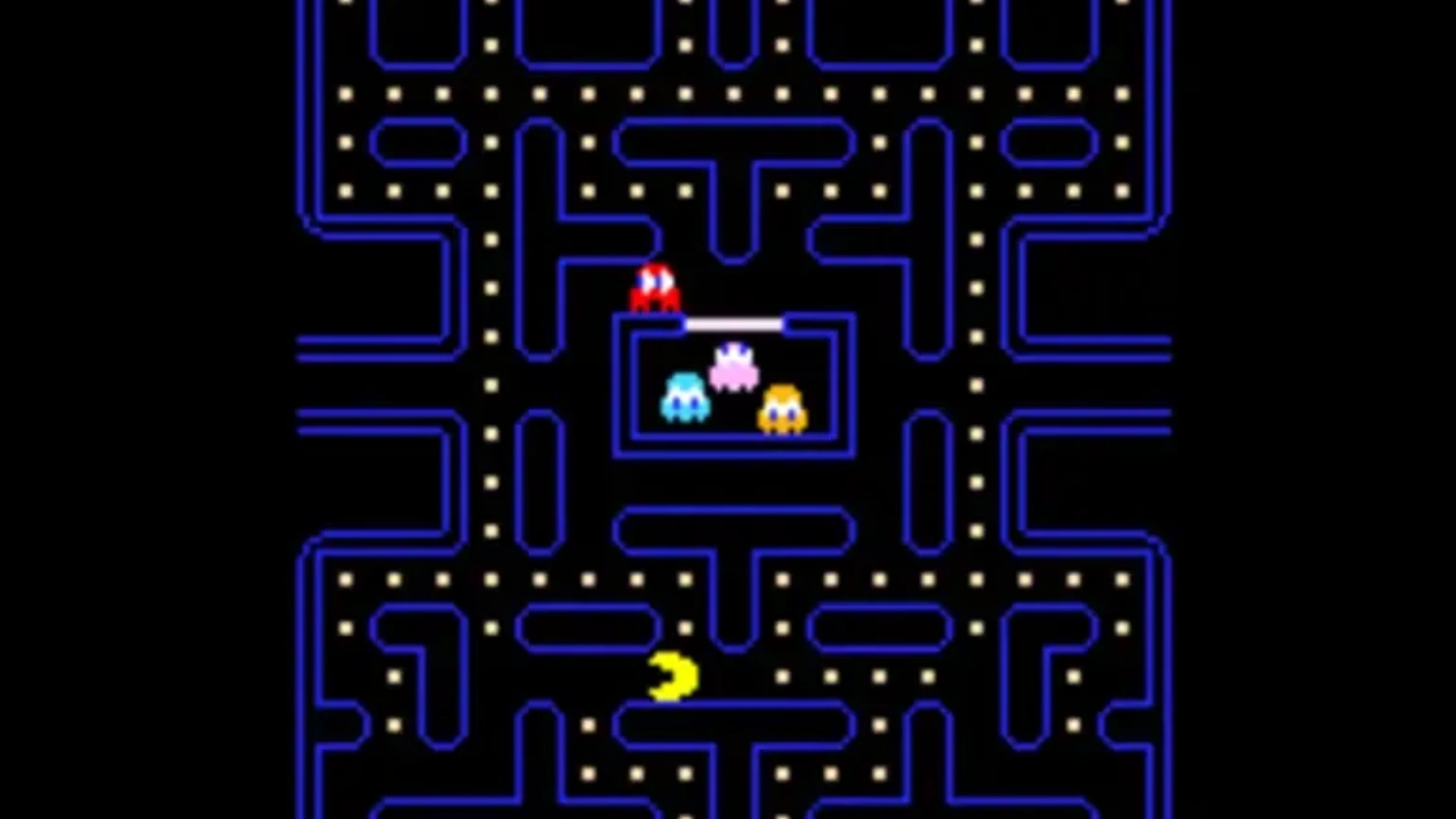
Pac-Man needs one sentence of instruction. Eat every dot in the maze without touching a ghost. The reason it lasts beyond that first sentence is that the four ghosts do not behave as one group. Blinky follows Pac-Man's current position, while Pinky aims farther ahead. Their routes overlap in ways that can close an apparently safe corner.
Power Pellets reverse the chase for a few seconds, but using one too early wastes the safest tool on the board. Leave it too late and the route may already be blocked. The maze never changes. What changes is the understanding of when to clear one side and when to pass through the tunnel. Pac-Man remains one of the clearest examples of difficulty created through behavior rather than extra rules.
3. Tekken 3
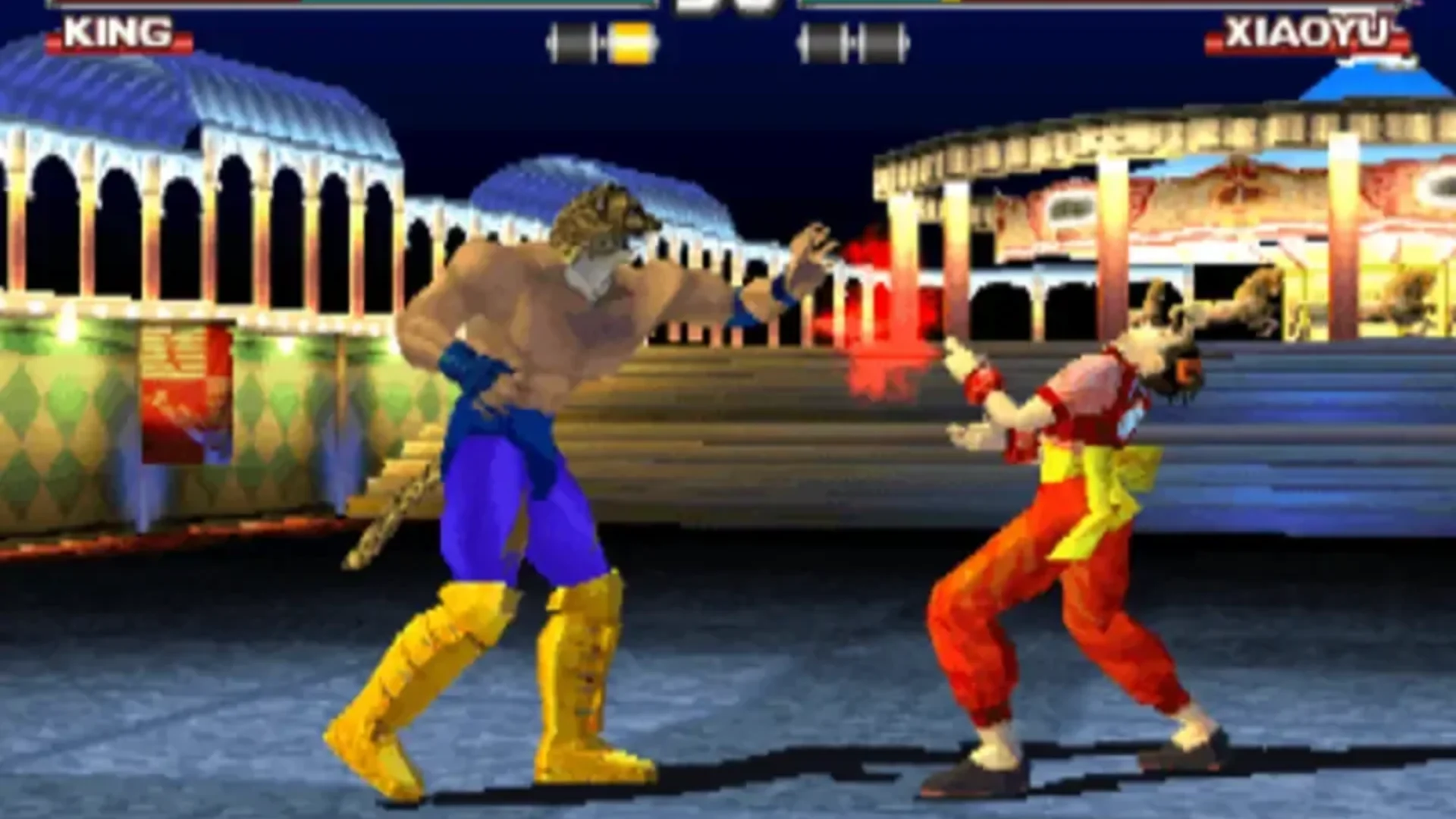
Tekken 3 gave Namco's fighting series the form it would keep for decades. Every character received a useful sidestep, making the third dimension part of ordinary defense. The four-button limb system also made experimentation inviting. Pressing both kick buttons with Eddy Gordo produces something recognizable even before the command list explains his capoeira stance.
The PlayStation port understood that a fighting game at home needed more than arcade mode. Tekken Ball turns normal attacks into a beach-ball contest where damage transfers through the ball. It is silly, but it still rewards timing and character knowledge. That mixture of serious competition and generous extras made Tekken 3 an unusually complete console release.
2. Dark Souls
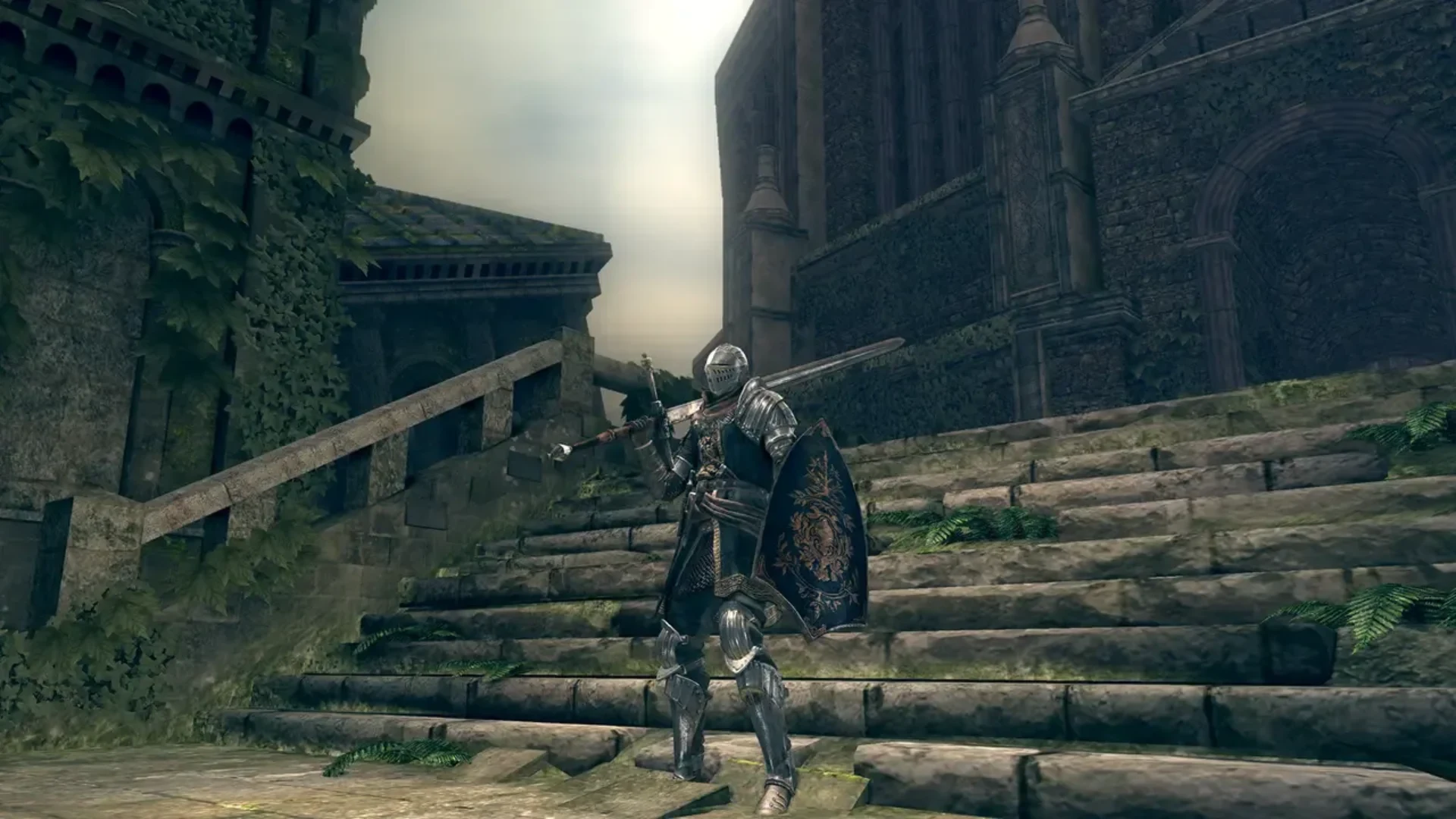
Dark Souls drops an undead character into Lordran with little direction and no conventional quest log. Combat is governed by stamina, so one extra swing can leave no energy for a block. Death sends the character back to a bonfire and leaves collected souls at the place they fell. Reaching them provides a second chance. Dying first erases them.
Bonfires also refill the Estus Flask, but resting brings ordinary enemies back. That tradeoff matters because Lordran folds onto itself. Beneath the Hellkite Dragon's bridge, a ladder can be kicked down to connect the route back to an earlier bonfire. No fast-travel screen announces the reward. A frightening area has simply become manageable because its geography now makes sense.
The second half is less consistent. Lost Izalith replaces the careful early layouts with long runs across open lava, and its boss is built around awkward platforming. Those sections stand out because the rest of Lordran is so deliberate.
Dark Souls
Dark Souls is an action role-playing game developed by FromSoftware and published by Bandai Namco Entertainment. Released in September 2011 as a spiritual sequel to Demon's Souls, it is set in a dark, medieval fantasy world. It is renowned for its challenging gameplay, intricate
Released
September 22, 2011
Developer
FromSoftware
Publisher
Bandai Namco Entertainment


1. Elden Ring
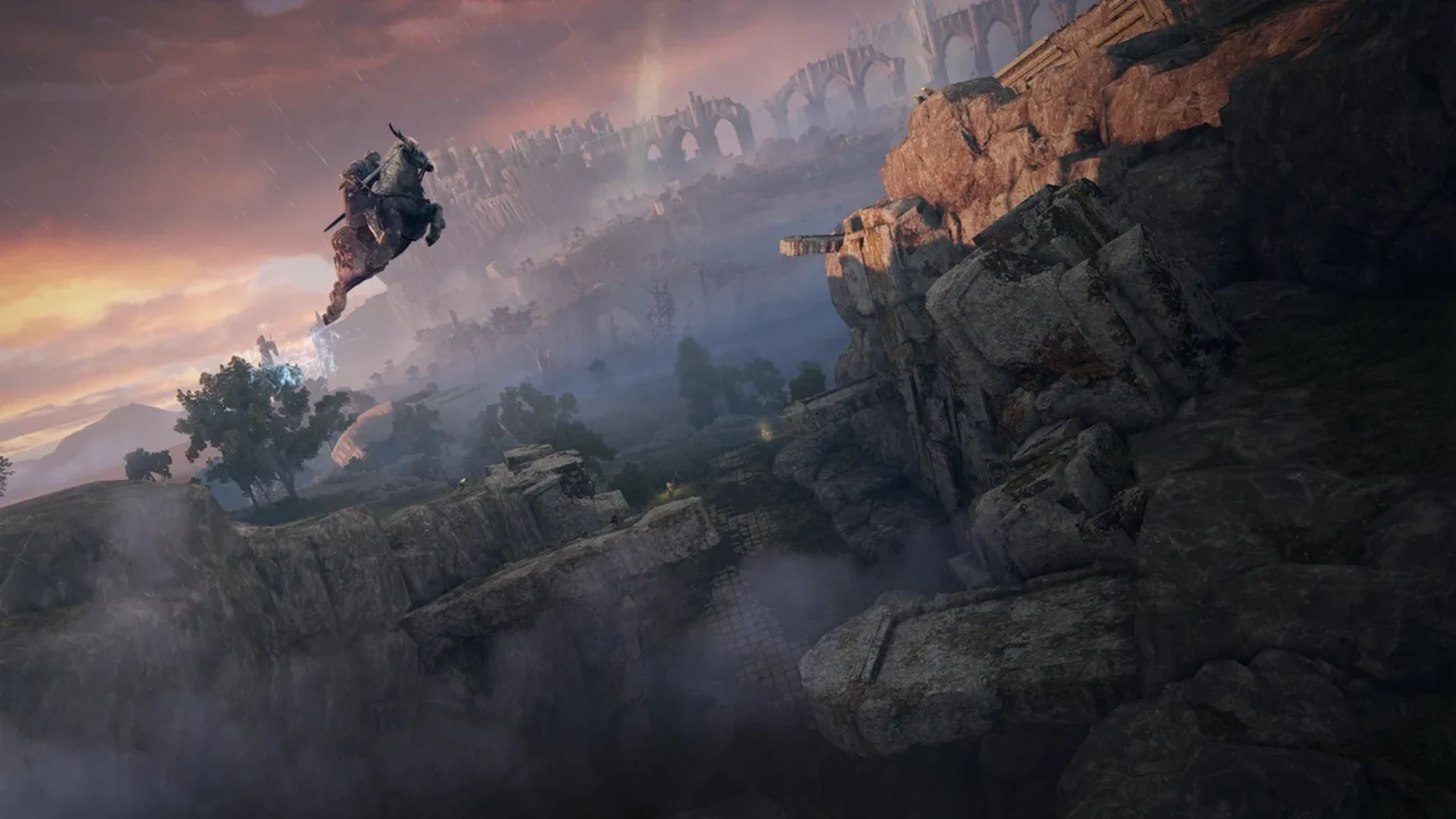
Elden Ring opens the structure of Dark Souls into the Lands Between. The Tarnished rides between ruined castles in search of the demigods holding pieces of the Elden Ring. Sites of Grace point in a broad direction, but the map does not fill itself with tasks. A drawing of a cave entrance is often the only invitation to leave the road.
The Tree Sentinel waiting outside the tutorial area explains that freedom immediately. He looks like a first objective and can kill a new character in seconds. The game does not close the road around him. Riding past is a valid answer, and returning later turns an early humiliation into a useful measure of progress. Margit serves a similar purpose at Stormveil Castle. If that fight becomes a wall, the road south leads to an entire peninsula where equipment and experience can be earned without grinding the same encounter.
That freedom makes room for very different approaches to combat, although the game explains many of them poorly. Important character quests can fail after an NPC moves without leaving a useful clue. The final regions also reuse enemies that were more surprising the first time. Even with the map fully drawn, however, entire underground routes remain for you to find yourself.
Elden Ring is an action RPG developed by FromSoftware and published by Bandai Namco Entertainment, released in February 2022. Directed by Hidetaka Miyazaki, with world-building contributions from novelist George R. R. Martin, the game features an expansive open world called the L
Released
February 25, 2022
Developer
FromSoftware
Publisher
Bandai Namco Entertainment
Discussion
0We want to hear from you. Share your perspective in the comments below, and please keep the conversation respectful.
Log in to join the discussion - vote, reply, and share your take.
Log In