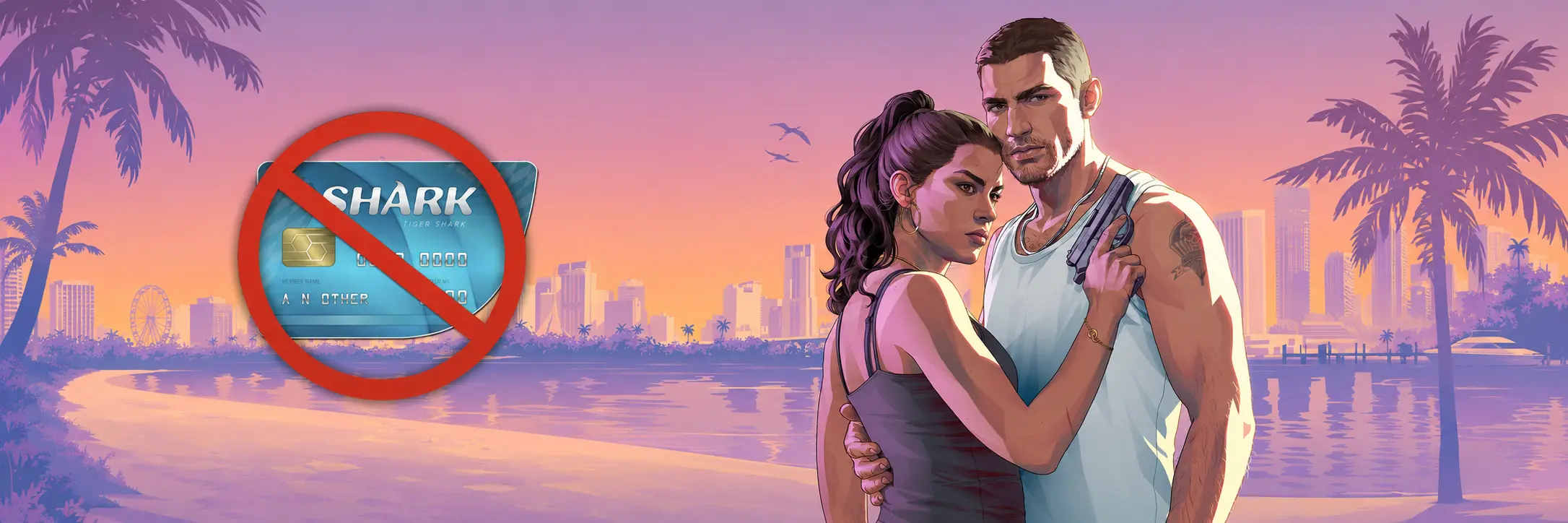
GTA 6 does not need microtransactions for Shark Cards to survive
GTA 6 may avoid microtransactions and generative AI in single-player, but GTA Online, GTA+ and Shark Cards could remain central to Rockstar’s business.
Kinda Funny's Andy Cortez and Greg Miller returned from a visit to Rockstar North with two unusually direct answers. They said co-studio head Rob Nelson confirmed that players would not be able to spend real money inside Grand Theft Auto VI and that generative AI had not been used to create the game.
Those assurances address the campaign Rockstar has shown and Take-Two is preparing to sell in November. They do not establish a new policy for the wider Grand Theft Auto business. Rockstar has revealed almost nothing about the next version of GTA Online, while its existing service continues to combine Shark Cards with a paid membership. Grand Theft Auto VI can avoid microtransactions without forcing Rockstar to dismantle any of that.
The promise covers the product Rockstar is selling in November
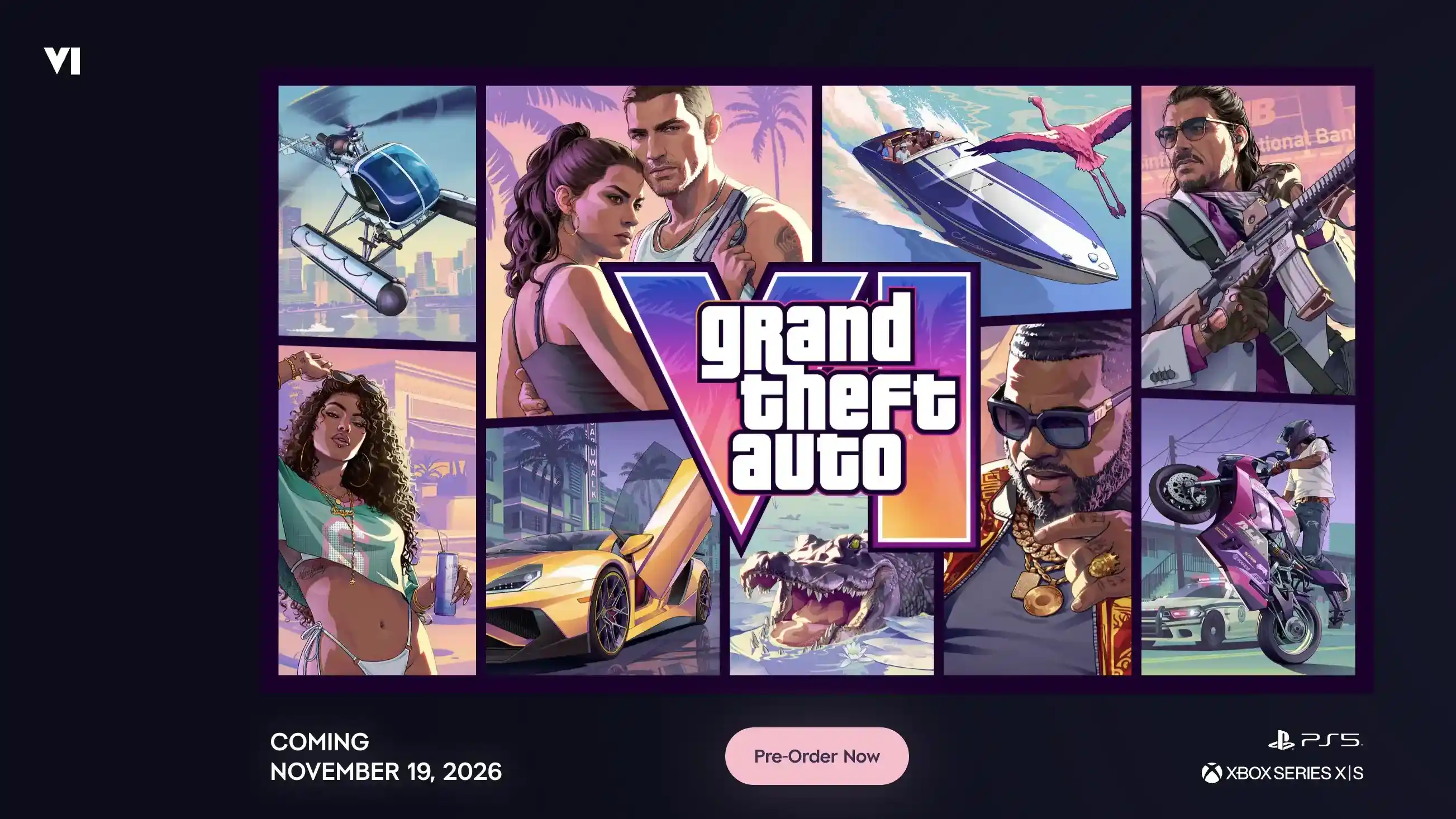
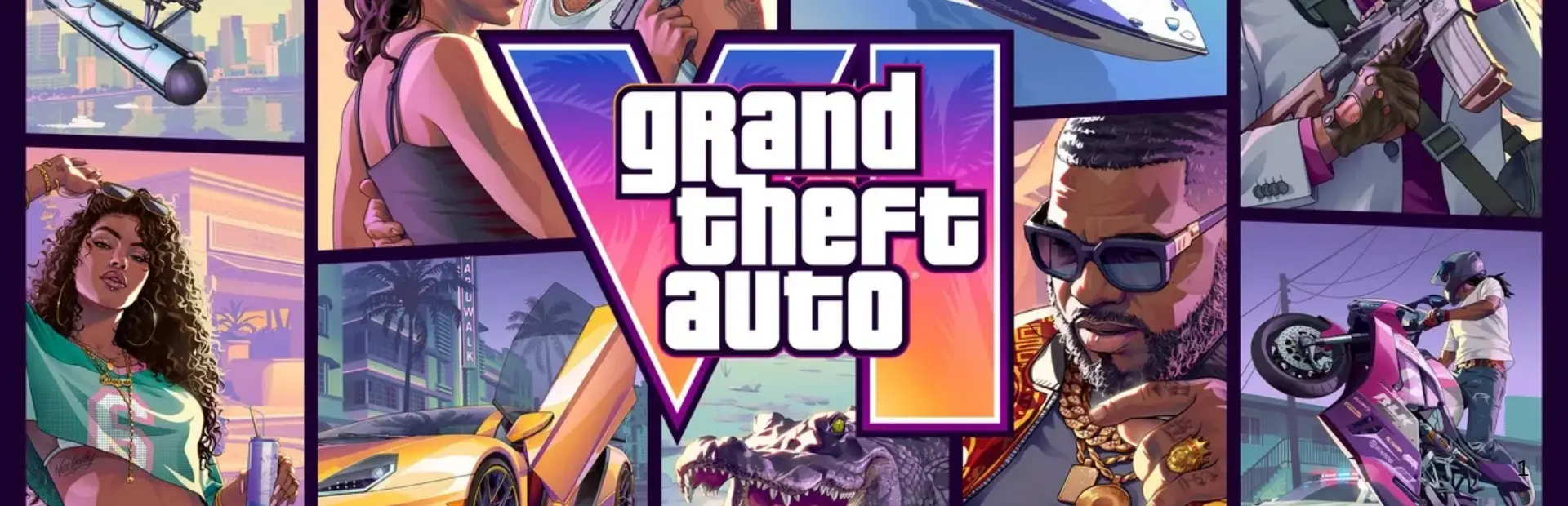
Take-Two's preorder announcement describes Grand Theft Auto VI as a single-player experience. The recent Extended Look followed Jason and Lucia through missions, robberies, pursuits and activities across Leonida, but it did not introduce a multiplayer mode or explain how the new game will connect to GTA Online.
That scope matters when interpreting Nelson's answer. Kinda Funny asked whether real money could be spent inside the game being presented. Rockstar did not publish a detailed monetization policy covering future modes, downloadable releases or online services. The most defensible reading is that the single-player game will not contain a store for repeat purchases.
Microtransaction-free also does not mean every customer receives the same content. The standard edition costs $79.99, while the $99.99 Ultimate Edition of GTA VI includes premium vehicles, weapons, apparel and additional action threaded through Jason and Lucia's story. Those extras are sold before the game begins rather than through a stream of smaller purchases, so they do not contradict Nelson's answer. They do show that Rockstar has not rejected paid content beyond the standard edition.
Digital preorders create an even clearer link to the company's online business. They include one free month of GTA+, redeemable immediately in the current GTA Online. Rockstar is using a single-player preorder to introduce customers to an existing subscription. The campaign and the live service can appear in the same transaction without following the same monetization rules.
GTA+ already keeps the campaign and online service separate
The current GTA Online has been available as a standalone product since 2022. Rockstar therefore does not need to place an in-game store inside Grand Theft Auto VI to continue selling digital currency. The company already has a separate product, account system and membership through which those purchases can operate.
GTA+ members receive GTA$500,000 each month alongside rotating vehicles, discounts and other benefits. Membership also unlocks special Shark Cards containing 15 percent more GTA$ than their regular equivalents. The subscription has not replaced paid currency. It gives customers an additional reason to buy it.
Rockstar has not confirmed that GTA+ or existing balances will transfer into a future Leonida-based online experience. A new service could reset the economy, introduce another currency or change the branding completely. It would not need to invent its monetization structure from nothing. Rockstar already knows how to run subscriptions and cash purchases together, and its current marketing is pushing GTA+ toward people buying Grand Theft Auto VI.
A different card name would be a smaller change than abandoning the model behind it.
Take-Two's results favor continuity
Take-Two's fiscal first-quarter 2027 results provide a stronger foundation than estimates about how much Shark Cards supposedly earn each week. The company said recurrent consumer spending across the Grand Theft Auto series increased by 3 percent year over year and that GTA+ continued to thrive.
Across Take-Two's full portfolio, recurrent consumer spending accounted for 84 percent of Net Bookings during the quarter. That total also includes mobile games and franchises such as NBA 2K, so it cannot be presented as evidence of GTA Online revenue alone. Take-Two defines the category broadly enough to include virtual currency, subscriptions, add-on content and other in-game purchases.
The company expects recurrent spending to represent 64 percent of its Net Bookings for the full fiscal year, even with Grand Theft Auto VI contributing a large wave of full-game sales. It also expects spending across the Grand Theft Auto series to increase.
None of those figures proves that Shark Cards will appear in the next online game. They do show that repeat purchases remain central to Take-Two's plans and that the current Grand Theft Auto service is moving in the desired direction. Removing paid currency would mean surrendering a working revenue source or replacing it with something capable of serving the same purpose. Take-Two has given no indication that such a reversal is underway.
The generative AI claim has a stronger foundation
The answer about artificial intelligence requires its own boundary. Grand Theft Auto VI will use conventional game AI to control traffic, pedestrians, enemies and police responses. Miller's question concerned generative AI producing creative material, not every system that allows Leonida to react to the player.
Take-Two CEO Strauss Zelnick had already addressed that distinction in February. He told GamesIndustry.biz that generative AI had no part in what Rockstar was building and described the studio's worlds as handcrafted building by building and neighborhood by neighborhood.
Take-Two is not rejecting the technology throughout its business. Zelnick has discussed hundreds of AI pilots and implementations intended to reduce costs or save development time. The restriction applies to the creative construction of Grand Theft Auto VI, not every tool used across Take-Two's studios and corporate operations.
That position has now been communicated by both Take-Two's CEO and Rockstar North leadership. It also does not threaten an established source of revenue, which makes it easier to accept as a lasting production decision. The absence of generative AI and the uncertain future of online monetization belong to different arguments, even if Rockstar answered both with the same word.
Rockstar has not promised a clean online economy
A future version of GTA Online could reduce its reliance on Shark Cards. GTA+ could become the main paid layer, while another currency system or different types of optional purchases take over. Rockstar could also build an economy in which ordinary missions provide a more reasonable route to desirable vehicles and properties.
The exact branding matters less than the pressure placed on progression. Paid currency remains optional in the narrowest sense, but its presence can still influence mission rewards, item prices and the amount of repetition required to earn something through play. Rockstar's eventual explanation of those systems will reveal far more than confirmation of whether Shark Cards keep their name.
No online monetization model has been announced, so Shark Cards cannot be treated as a confirmed feature of the next service. The available evidence does support a narrower conclusion. Rockstar's promise protects the single-player game, while its subscriptions, financial targets and preorder strategy leave the online business untouched.
Grand Theft Auto VI does not need microtransactions. Rockstar only needs to keep them on the other side of the menu.
Tagged In
Discussion
0We want to hear from you. Share your perspective in the comments below, and please keep the conversation respectful.
Log in to join the discussion - vote, reply, and share your take.
Log In