The 9 Best Fighting Games Worth Learning in 2026
These are the current fighters whose mechanics and competitive possibilities continue to justify the effort of learning them.
Fighting games reveal their quality when the same two players meet for the fiftieth time and still discover new answers. Strong systems let a familiar matchup change after one adjustment instead of collapsing into a solved routine.
This ranking focuses on games readily playable in 2026. Combat depth carries the most weight, but the first hour matters too. Dependable online play or a worthwhile local package can separate two otherwise excellent fighters. Historical importance alone is not enough.
9. Granblue Fantasy Versus: Rising
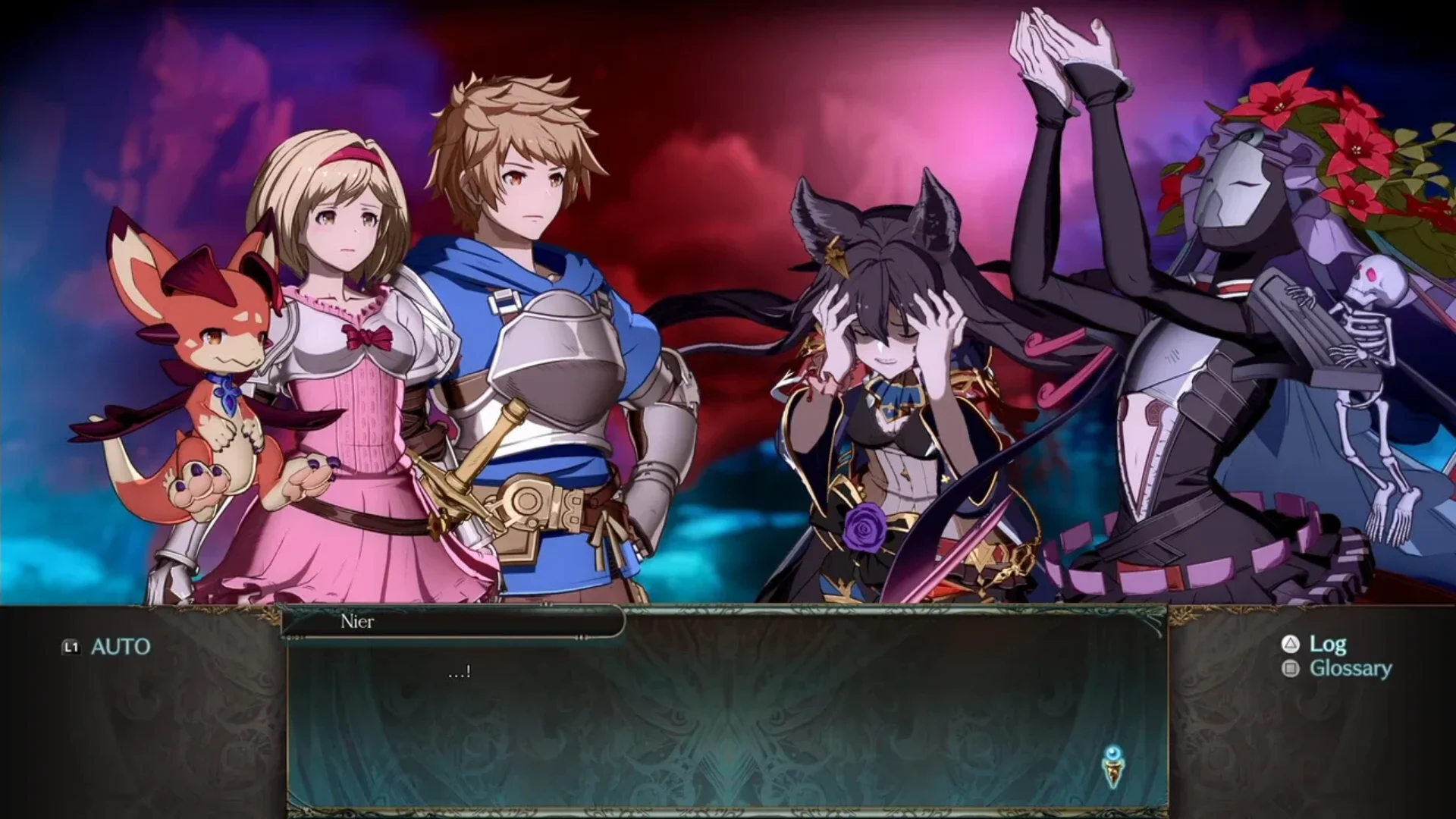
Granblue Fantasy Versus: Rising is a grounded 2D fighter where short combos and strong normal attacks put spacing ahead of frantic movement. A dedicated Skill button performs special moves without motion inputs, so a beginner can concentrate on choosing the right attack before worrying about execution.
Brave Counter gives defenders a readable escape route, while Raging Strike challenges someone who is too comfortable blocking. The result is clear rather than shallow. Matchups still demand study. Its restrained pace can feel rigid beside freer anime fighters.
The story also assumes more affection for Granblue lore than most newcomers will have. Even so, Rising is an excellent place to learn footsies without giving up real depth.
8. Invincible VS
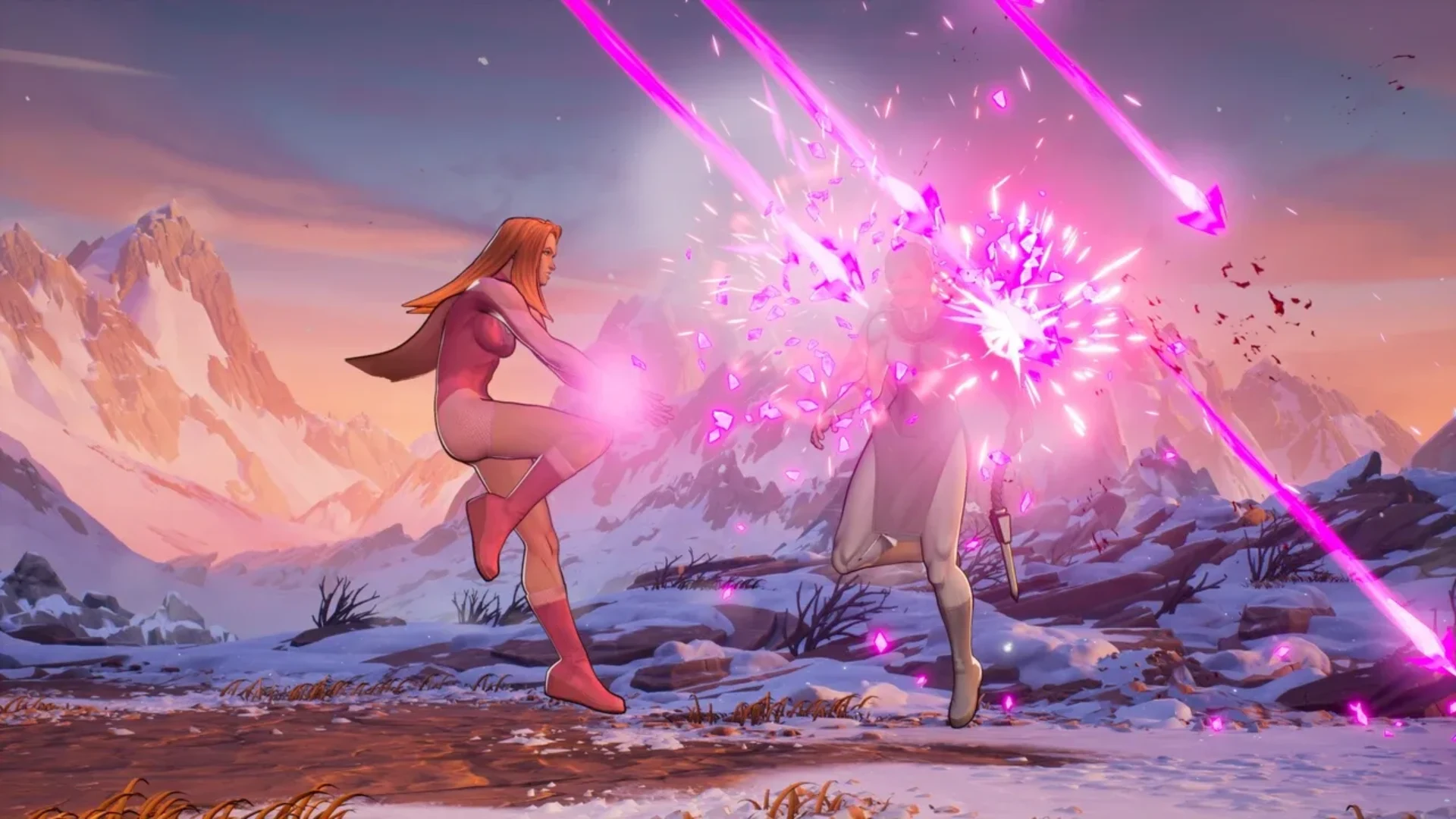
Invincible VS uses a three-on-three tag format to turn the comic's superheroes into an accessible team fighter. Players build a trio and call directional assists during neutral or combos. Active tags let another character continue the attack. Simple strings make the first hour welcoming, but the breaker system keeps the defender involved during longer combinations.
Team composition soon matters more than memorizing one elaborate sequence. The story captures the source material's personality, although its short campaign ends abruptly. Counter Tags can feel inconsistent, and neutral play is less expressive than the tag system. It is still a strong route into team fighters for anyone intimidated by their usual speed.
7. 2XKO
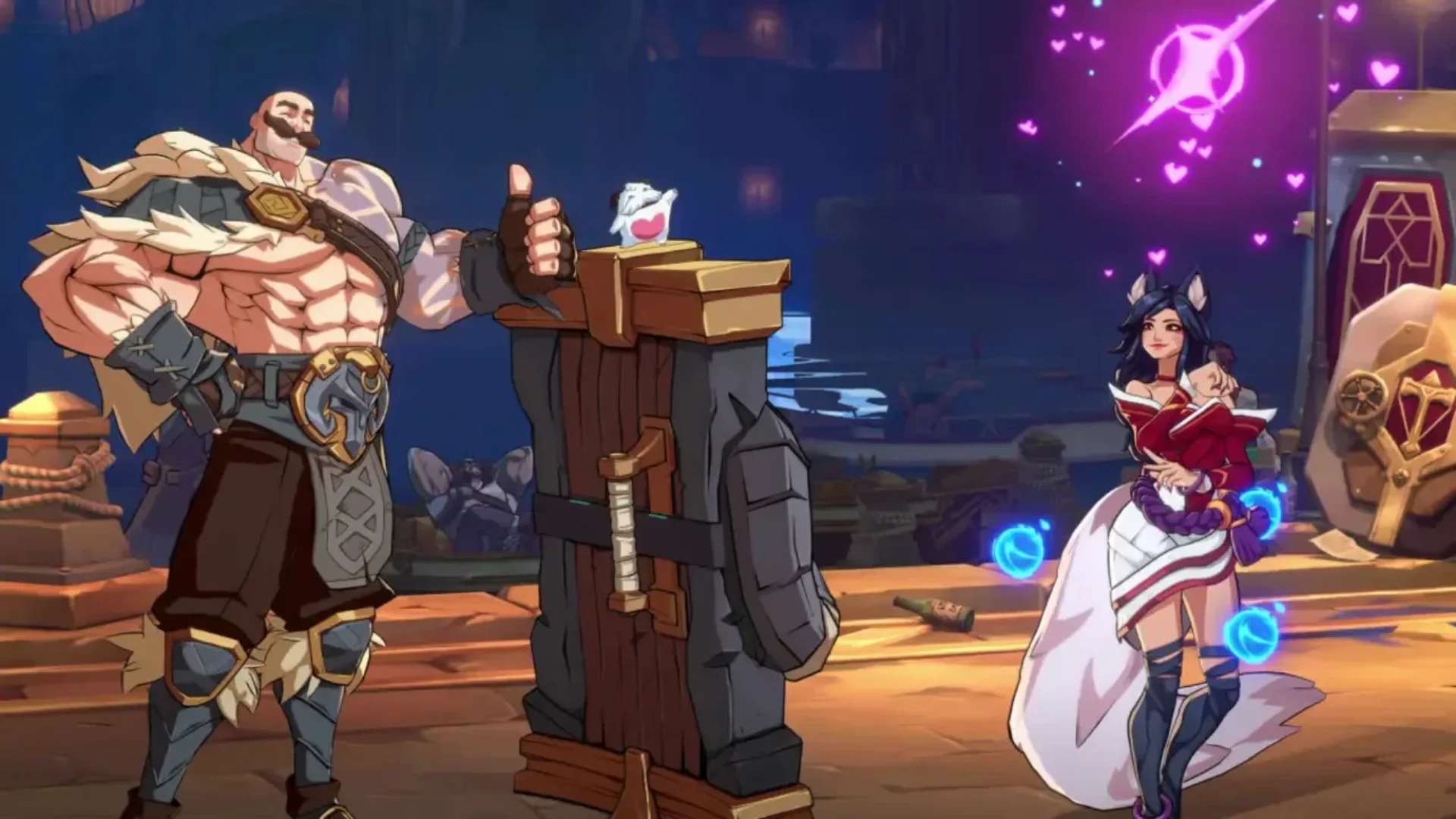
2XKO is a free-to-play 2v2 tag fighter built around League of Legends champions. One player can control both characters, or two friends can divide the team and tag each other into the match.
Fuses alter assist and swap rules, while Handshake Tags convert stray hits into coordinated sequences. Simple inputs hide unforgiving defense once a practiced pair starts layering pressure. Getting caught can mean watching an overlong combo. The roster feels small beside the size of Runeterra, and character unlocking adds needless friction. Duo Play is the reason to persist. Calling for a tag at the correct moment creates communication that no other major fighter currently matches.
6. Rivals of Aether II
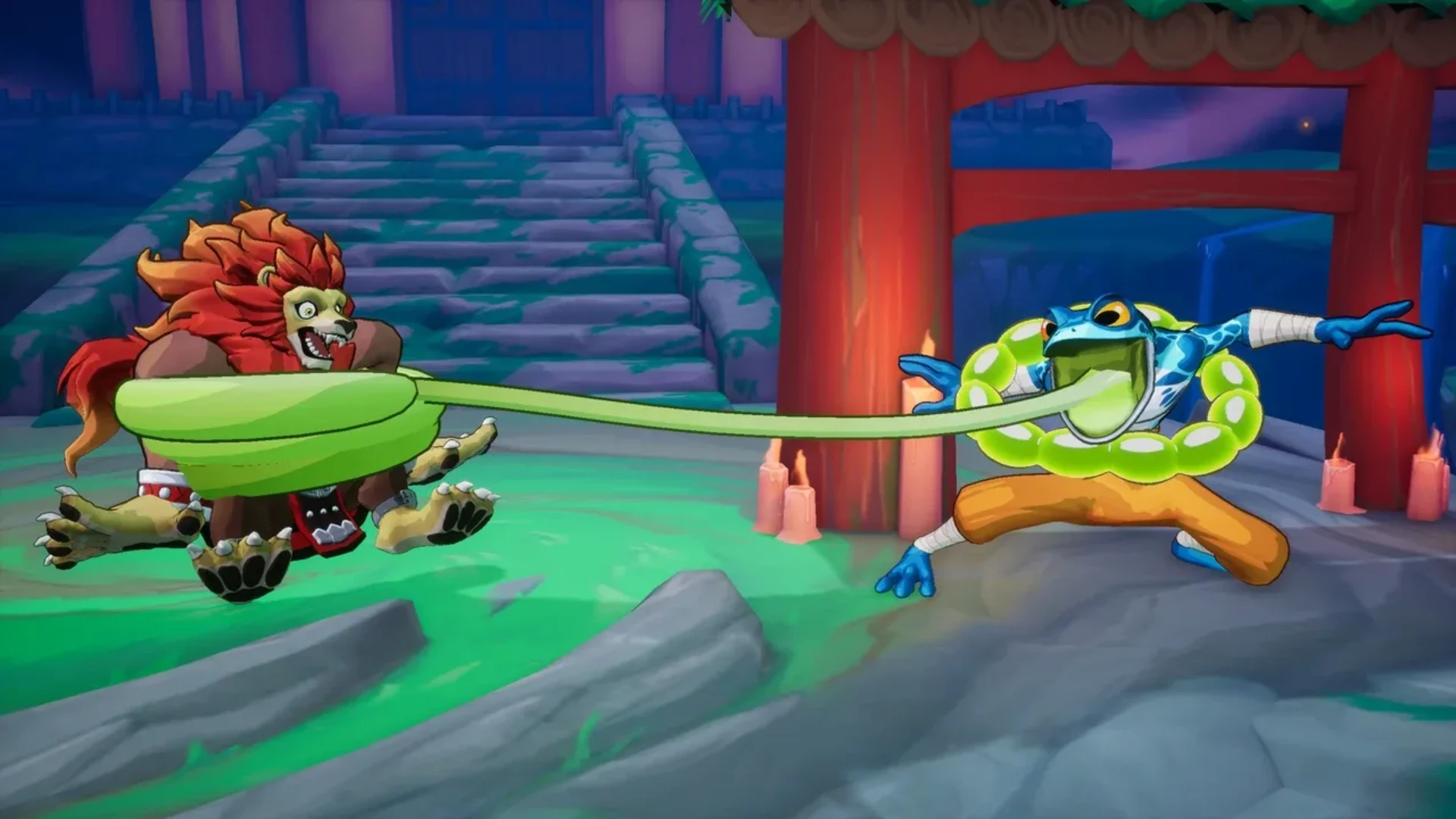
Rivals of Aether II is a PC platform fighter where players build damage before knocking an opponent beyond the stage's blast zone. Shields and grabs will feel familiar to Smash players. Hitfalling and fast ground movement give its offense a sharper rhythm of its own.
The elemental roster is small but mechanically specific. Kragg can build a pillar beneath the stage to alter recovery routes, while Zetterburn turns fire marks into knockout pressure. Responsive rollback keeps those quick exchanges viable online. Little solo content and a demanding player base make the current package less welcoming away from competition. Anyone who enjoys Super Smash Bros. Melee movement but wants modern online play will find an expressive alternative here.
Related Article

Wolfgang Krauser gives Fatal Fury: City of the Wolves a hard-edged anniversary update
5. Fatal Fury: City of the Wolves
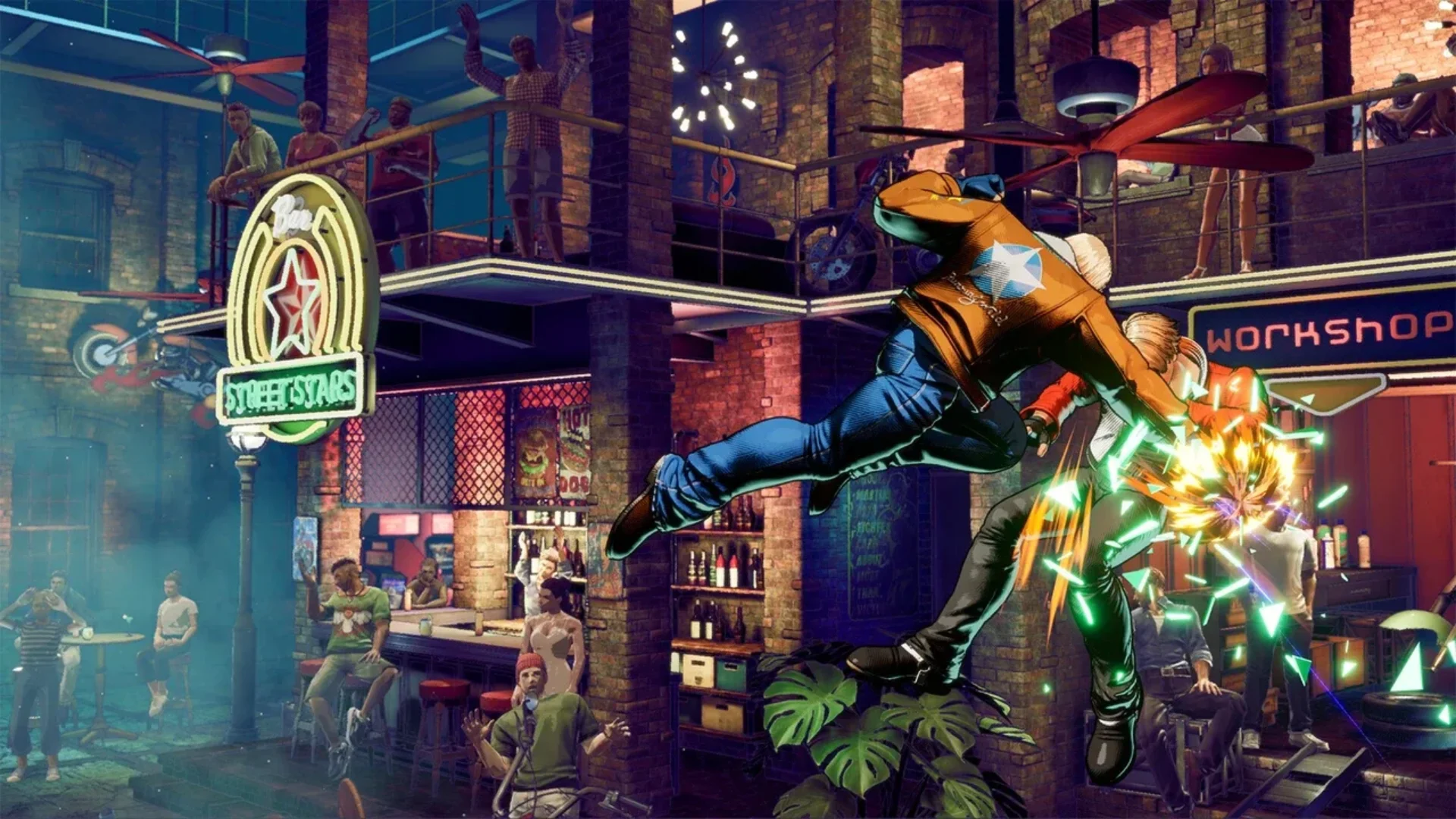
Fatal Fury: City of the Wolves is a one-on-one 2D fighter where traditional footsies share space with a REV gauge. REV Arts strengthen special moves. REV Accel chains them together, while REV Guard pushes an attacker away. Every use fills the same gauge, and overheating temporarily removes those advantages.
Brake and feint cancels let experienced players turn apparently finished moves into new pressure, yet reckless offense eventually limits itself. The roster also has the sturdy normals and distinct movement expected from an SNK fighter. Solo material is thin, and the tutorials do not fully prepare newcomers for harsher matches.
Players who want measured neutral with room for intricate conversions will get far more from it than anyone arriving for spectacle alone.
4. Guilty Gear Strive
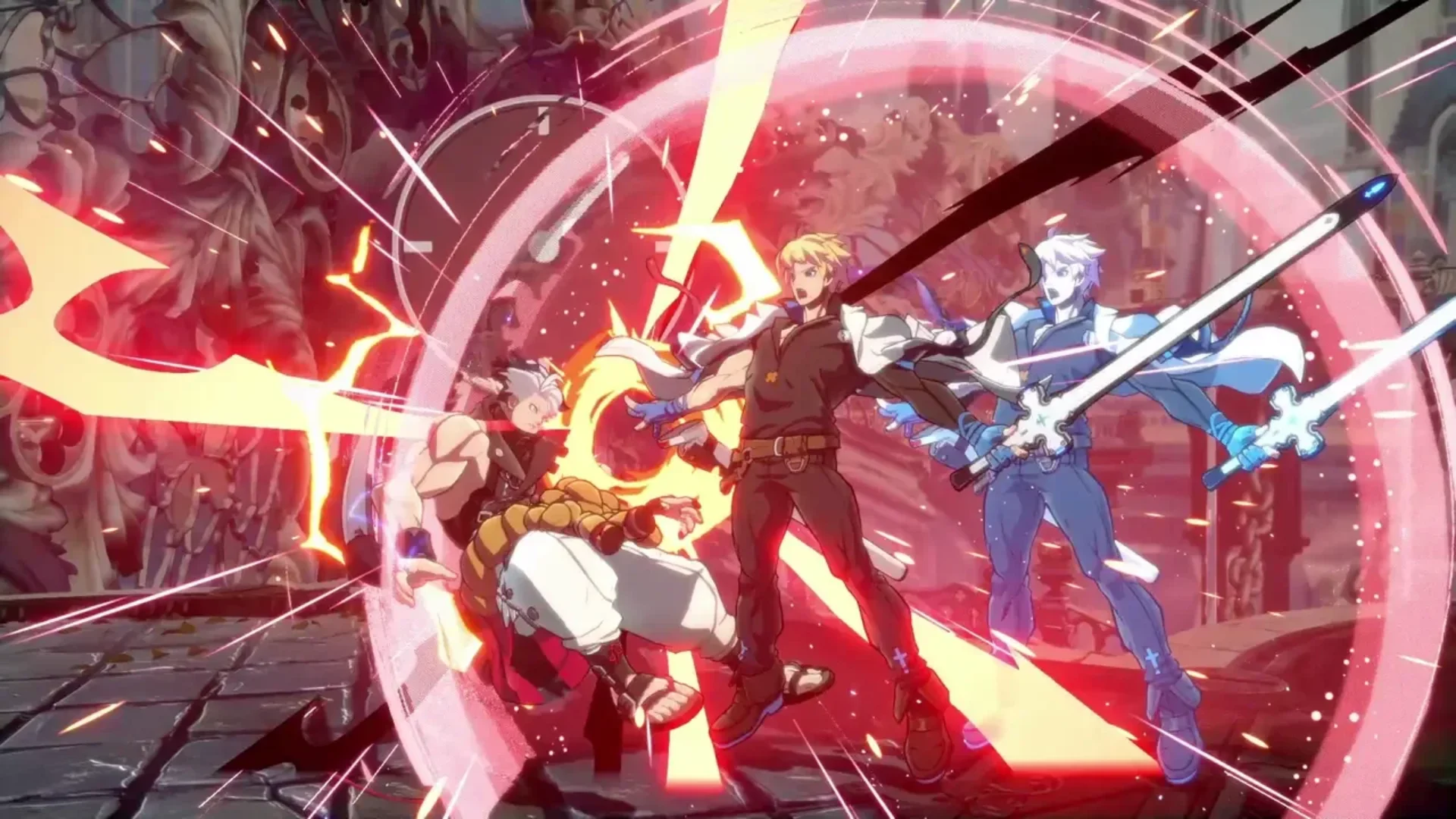
Guilty Gear Strive is a fast 2D anime fighter where air movement feeds explosive offense. Its Tension meter enables Roman Cancels that can extend a combo or rescue a risky attack. Breaking the wall ends corner pressure and rewards the attacker with extra resources.
The roster changes the basic grammar of a match. Zato-1 controls Eddie as a second body, while Nagoriyuki balances tremendous reach against a blood gauge that punishes excess. High damage can make a round feel settled after two poor guesses, and the avatar-based lobbies remain needlessly awkward. Version 2.0 has nevertheless refreshed the combat. Few current fighters turn character identity into such different forms of pressure.
3. Tekken 8
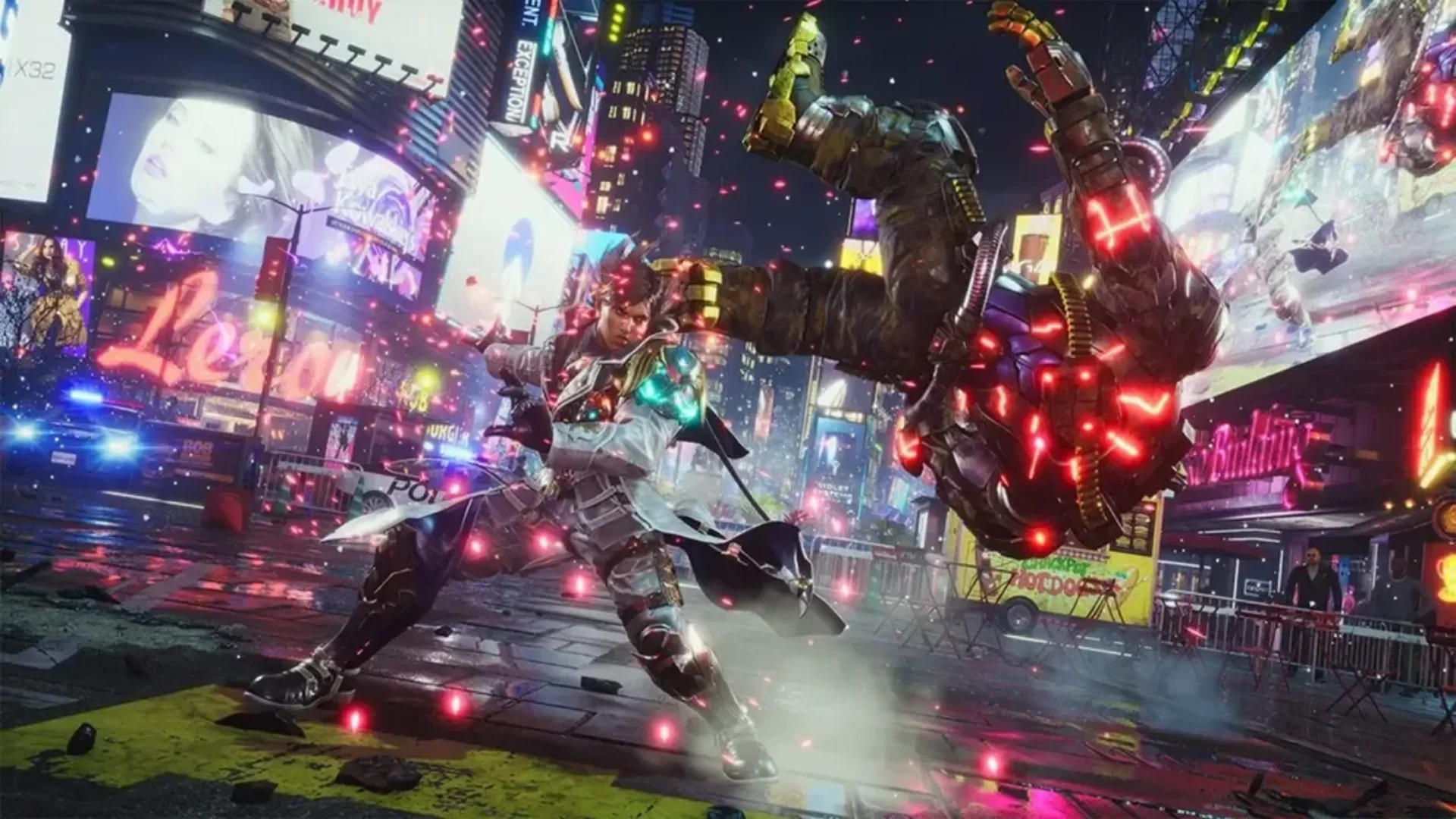
Tekken 8 is a 3D fighter where four attack buttons correspond to a character's limbs and movement extends into the foreground or background. A clean punish can launch an opponent into a juggle. Carrying that combo to a wall creates another dangerous guessing situation.
Heat gives every fighter amplified offense once per round, making matches faster than older Tekken games. The story and Arcade Quest offer useful preparation for ranked play. Replay tools then identify missed punishments.
That aggression is also its greatest problem. Heat pressure can smother defensive styles, and recent tuning has not restored the balance many veterans want. Enormous move lists still demand patience, but no other modern 3D fighter offers as many ways to specialize.
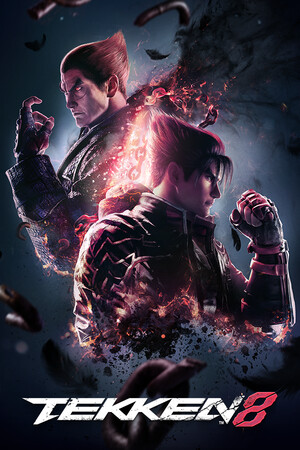
Tekken 8 is a 3D fighting game and the eighth main installment in the Tekken series, notable for being the first entry to debut on home consoles rather than in arcades. Built on Unreal Engine 5, the game introduces the "Heat" system, which rewards aggressive play by granting enha
Released
January 26, 2024
Developer
Bandai Namco Studios
Publisher
Bandai Namco Entertainment


2. Super Smash Bros. Ultimate
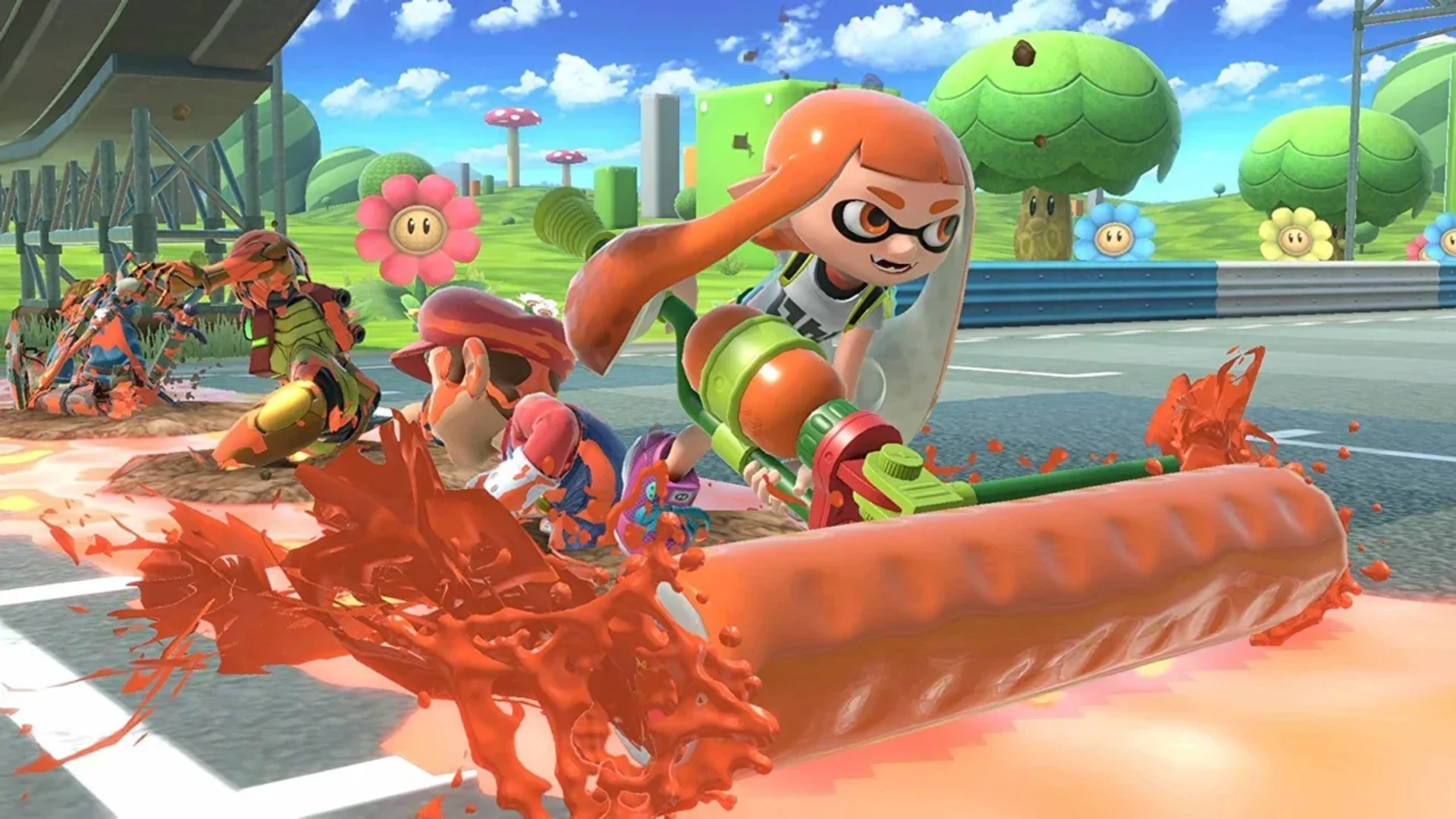
Super Smash Bros. Ultimate replaces a health bar with rising damage percentages and asks players to knock opponents off the stage. It can be an item-filled local brawl or a tightly controlled one-on-one contest, and both versions feel deliberate.
More than 80 fighters provide much more than crossover novelty. Steve builds terrain to rewrite stage control, while Kazuya imports command-heavy strings from Tekken. Familiar characters reveal further depth through short-hop pressure and ledge traps. World of Light is huge, although its rule-modified battles become tiring.
Online delay makes precise matchups less reliable than they should be. In the same room, its range of skill levels and rule sets remains unmatched.
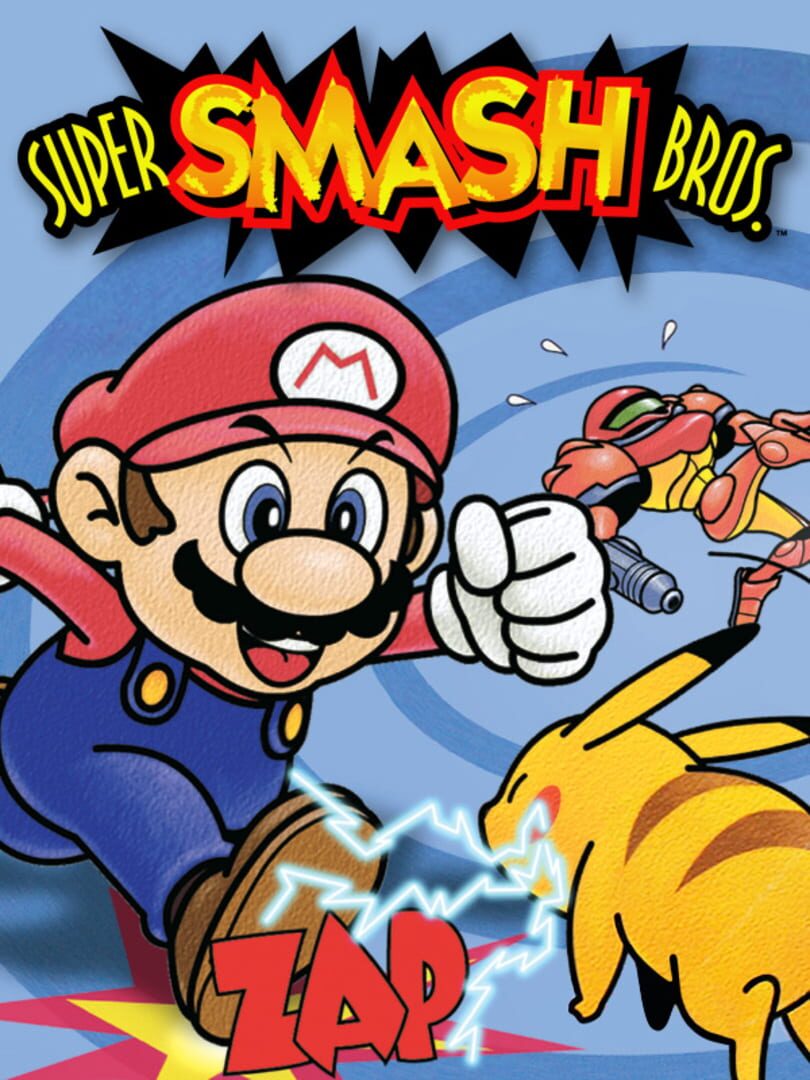
Super Smash Bros. is a crossover fighting video game between several different Nintendo franchises, and the first installment in the Super Smash Bros. series. Players must defeat their opponents multiple times in a fighting frenzy of items and power-ups. Super Smash Bros. is a de
Released
January 21, 1999
Developer
HAL Laboratory
Publisher
Nintendo
1. Street Fighter 6
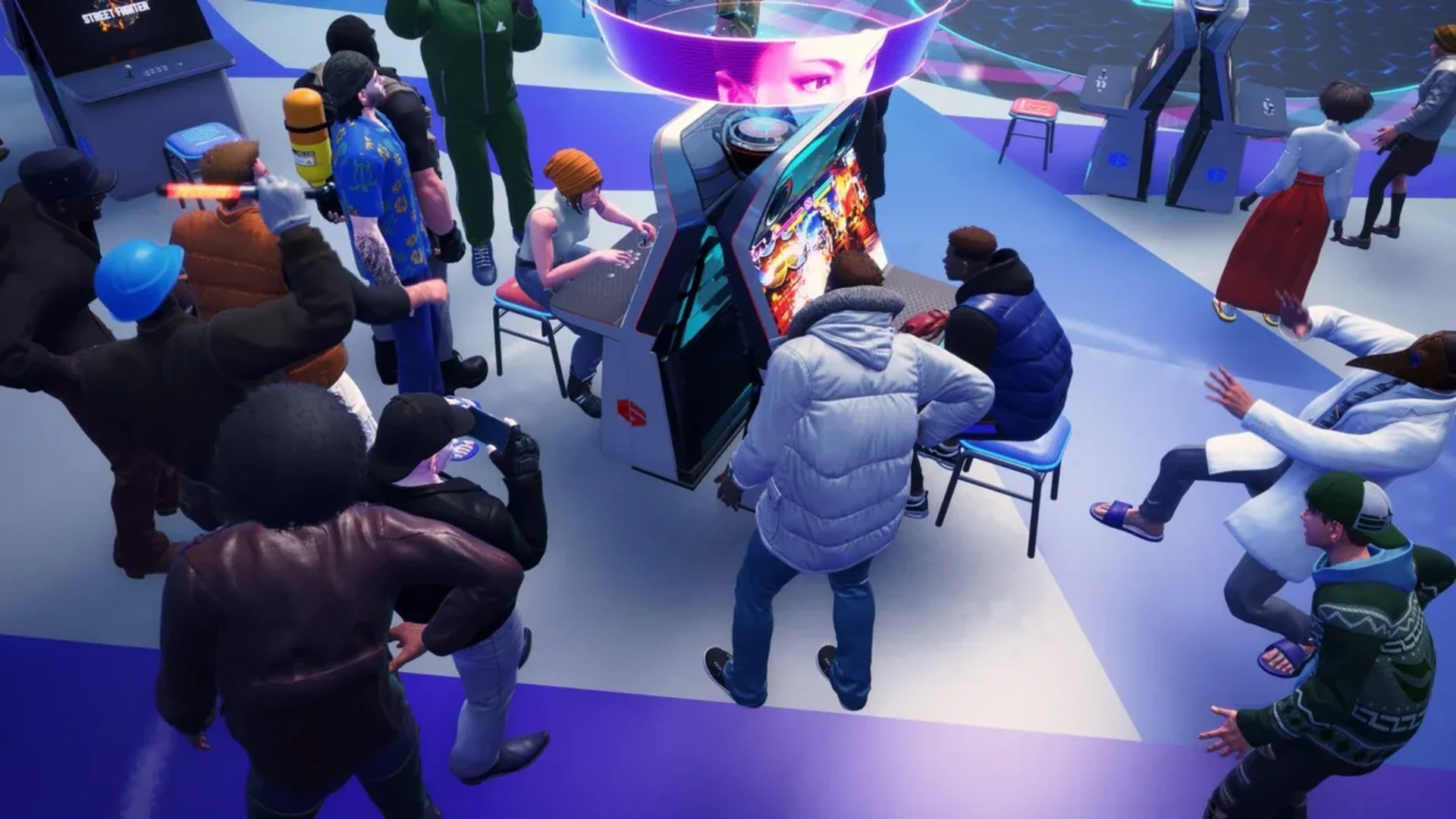
Street Fighter 6 is a one-on-one 2D fighter built on six-button combat and careful spacing. Its shared Drive gauge governs the match. Drive Rush converts small openings into pressure, while Drive Parry challenges predictable attacks. Drive Impact punishes careless buttons near a wall. Emptying the gauge leaves a fighter in Burnout.
Modern Controls let newcomers perform specials immediately, while Classic Controls preserve the precision expected by veterans. World Tour runs longer than its ideas can support, but it teaches character tools through play instead of a wall of terminology. Drive Rush can dominate neutral too heavily, and the cosmetic economy feels fragmented.
Those faults never obscure the central match. Street Fighter 6 teaches fighting-game decisions without flattening what experts can do with them.
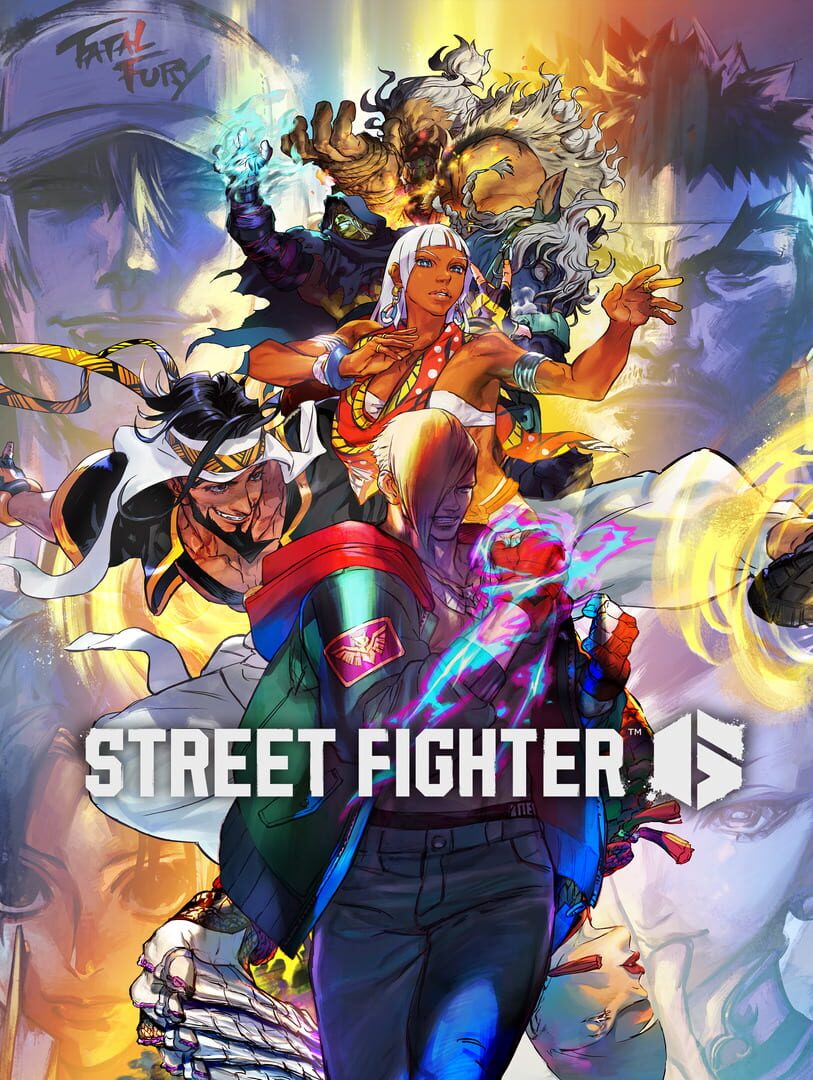
The evolution of fighting games starts with our traditional Fighting Ground, and then we're turning the genre on its head with World Tour and Battle Hub for a total of three modes where anyone can play to their liking. No one starts off as a champion. You get there step by step,
Released
June 2, 2023
Developer
Capcom Development Division 2
Publisher
Capcom
Tagged In
Discussion
0We want to hear from you. Share your perspective in the comments below, and please keep the conversation respectful.
Log in to join the discussion - vote, reply, and share your take.
Log In