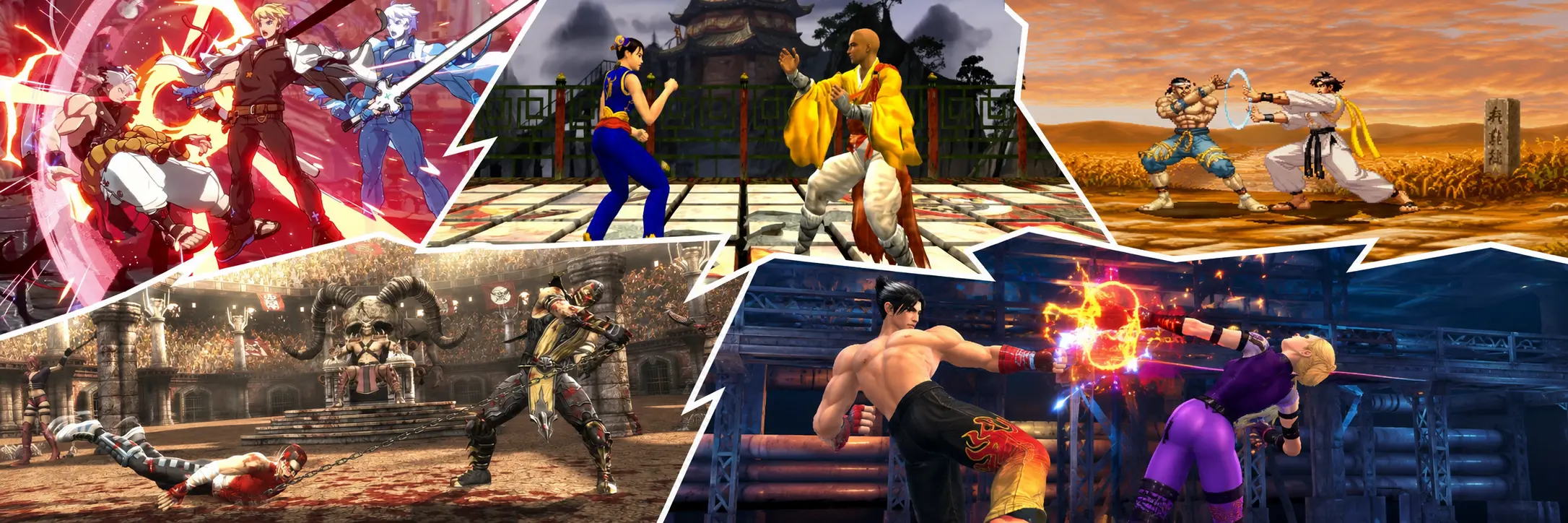
The 10 Best Fighting Games of All Time
If we ranked the games most frequently loaded up when friends get together, fighting games would occupy a large part of the list. Who among us has not played a random round of Tekken or Mortal Kombat at a small gathering or party? Once you dig deeper into the titles featured in this ranking, it becomes clear that button mashing is not the only way to play. The real fun begins when you understand exactly what you are doing, although reaching that point can take months.
Sometimes, one poorly timed block was enough to lose an entire round. Moments later came the rematch, a character change, and a promise that the same attack would not catch us again. Fighting games are built around repetition, but every match plays out differently. There is another person on the opposite side making their own decisions.
This ranking considers the quality of each combat system, its importance to the development of the genre, its competitive scene, and how well the game holds up today. The list includes 2D, 3D, and platform fighters,
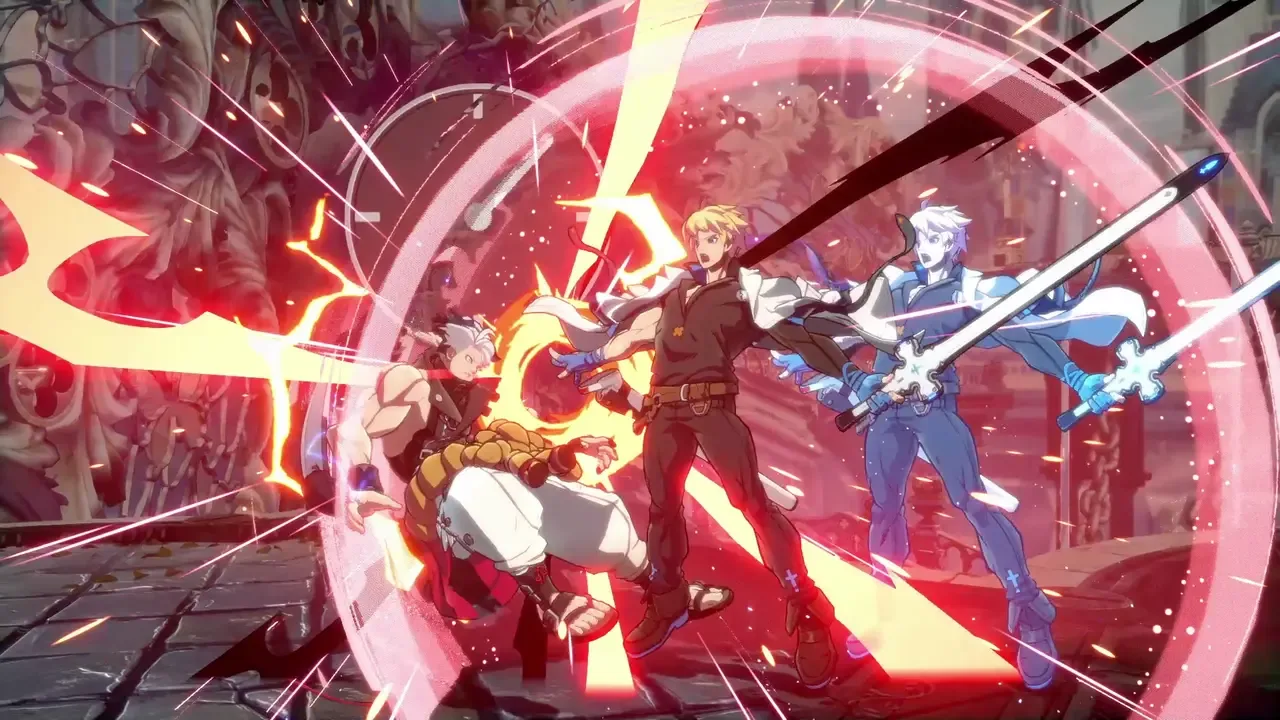
10. Guilty Gear Strive
- Game type: 2D fighting game
- Release year: 2021
Guilty Gear has always demanded quick decisions, knowledge of unusual characters, and the ability to move freely through the air. Strive preserved that identity while organising its rules well enough for a new player to understand why they had just lost half their health bar.
Roman Cancel allows players to interrupt the action, cancel their own move, extend a combo, or recover a safer position. The mechanic does not have a single fixed purpose, so its value grows alongside the player's skill. At first, it helps correct a mistake. Later, it becomes the foundation of entire strategies.
Limited single-player content remains a weakness, but excellent animation, a varied roster, and stable online play helped Strive introduce this demanding series to a much wider audience.
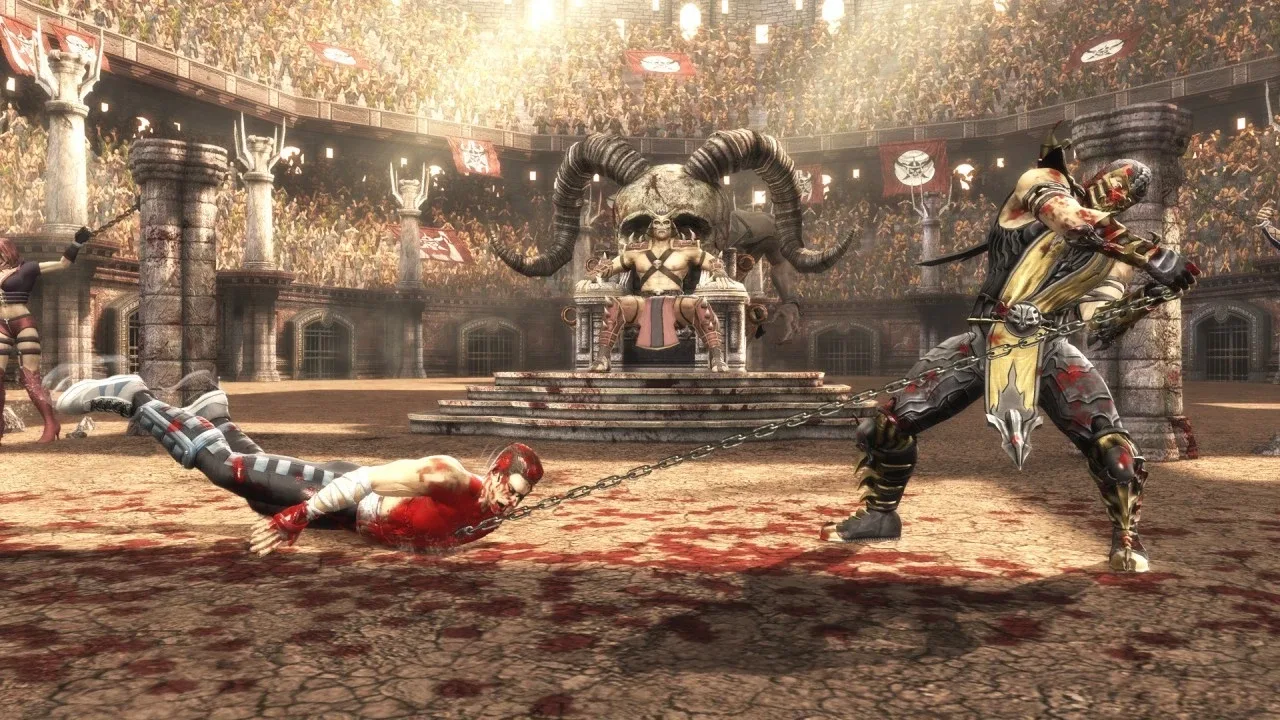
9. Mortal Kombat
- Game type: 2D fighting game
- Release year: 2011
After experimenting with combat in three dimensions, Mortal Kombat needed to remind players why the series had become a phenomenon. The 2011 reboot returned to fights on a single plane, recreated the most important events from the first three games, and restored the fighters' most recognisable moves.
The meter system forces players to choose between enhanced special moves, breaking an opponent's combo, and performing a spectacular X-Ray attack. The most powerful option is therefore not always the best use of the available resource.
The story mode established a structure that NetherRealm continued to develop in later games. Instead of a series of loosely connected fights, players received a campaign that switched between characters and presented the story from several perspectives. The balance and online play do not match the strongest competitors, but Mortal Kombat rediscovered its identity. This particular entry appeared on my screen many times during evening get-togethers with friends.
Related Article
VALORANT Neo Frontier 2.0 Bundle: Skins, Price, and Release Date
8. Virtua Fighter 4: Evolution
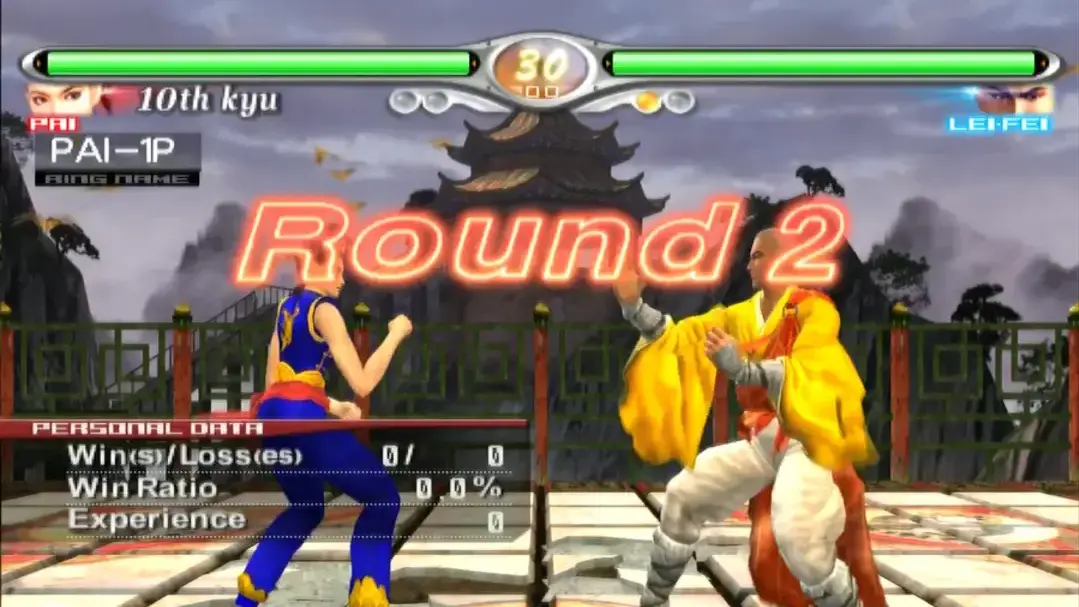
- Game type: 3D fighting game
- Release year: 2003
Virtua Fighter 4: Evolution does not need fireballs, super moves, or lengthy cinematic animations. Positioning, timing, and predicting the opponent's next move matter most. The basic rules revolve around the relationship between attacks, blocks, and throws, but every character uses them differently.
The fighters represent real martial arts styles, while their animations clearly communicate the weight and direction of every strike. Victory does not depend on finding a single reliable combo. Players must understand range, frame advantage after a blocked attack, and the moment when risking a sidestep becomes worthwhile.
Quest Mode simulated a journey through Japanese arcades and gave players who preferred not to compete against other people a clear objective. Its restrained presentation will not appeal to everyone, but few fighting games can match the purity of Virtua Fighter 4's system.
7. Soulcalibur II
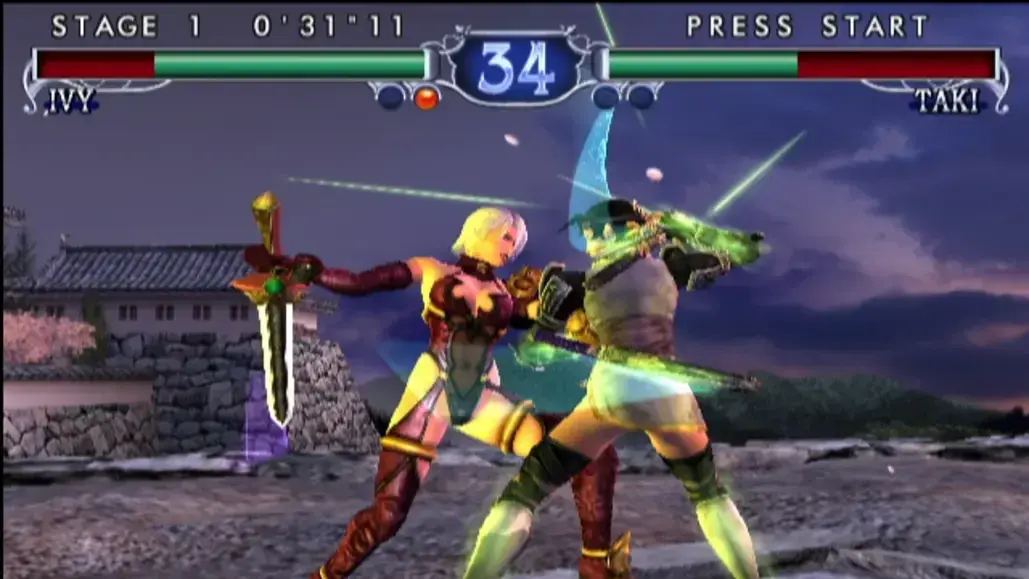
- Game type: 3D weapon-based fighting game
- Release year: 2002
Soulcalibur II makes even a basic fight look impressive before the player learns its more advanced rules. Swords, spears, axes, and tonfa give fighters different ranges, while free movement around the arena allows them to avoid linear attacks.
Accessibility does not mean a lack of depth. Guard Impact allows players to deflect incoming strikes, positioning mistakes can result in a ring-out, and controlling distance properly matters more than memorising the longest combo.
Each console version received a different guest fighter: Link on GameCube, Spawn on Xbox, and Heihachi on PlayStation 2. It was an excellent addition, but the game did not need a famous character to stand out. Weapon Master Mode and the wide range of fighting styles still make it one of the most complete weapon-based fighters ever released.
6. Marvel vs. Capcom 2: New Age of Heroes
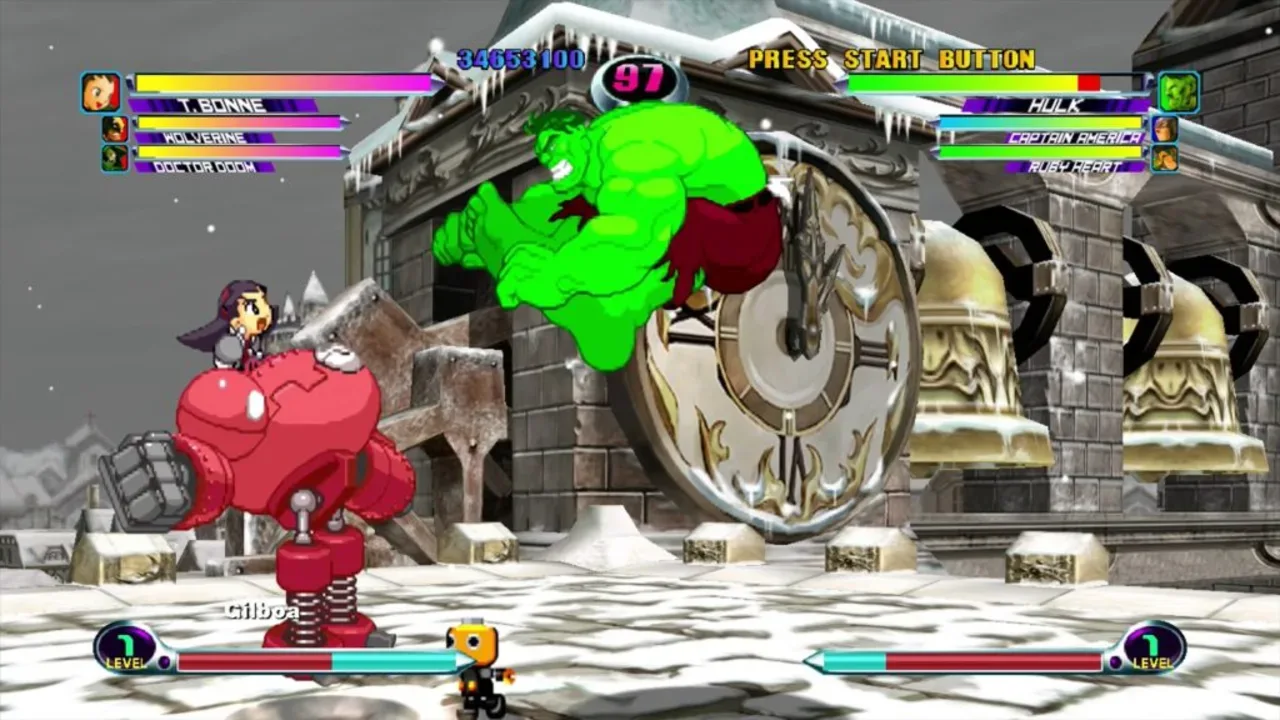
- Game type: 2D tag-team fighting game
- Release year: 2000
Marvel vs. Capcom 2 looks like chaos until the player begins to understand its rules. Three-character teams, assists, instant character switches, and attacks that fill the screen with effects keep fights moving without lengthy interruptions.
The most important decisions begin before the match. A team needs to provide damage, space control, and the right assist. A strong lineup allows one character to create an opening that another can turn into a long combo.
The roster includes 56 characters, but the balance clearly favours a small group of fighters. That did not prevent the game from building a competitive scene that lasted for years. Its speed, team-building freedom, and maximalist presentation remain a model for crossover fighting games.
5. Super Smash Bros. Melee
- Game type: Platform fighter
- Release year: 2001
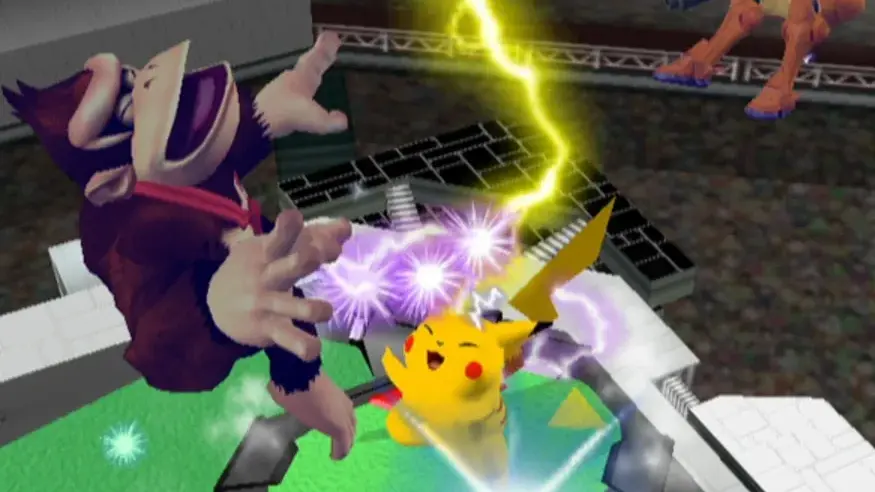
Melee was designed as an accessible party game in which Mario, Link, and Pikachu knocked each other out of arenas using items. Players discovered a movement and combat system that was much deeper than the basic rules suggested.
Wavedashing, fast-falling, edgeguarding, and the ability to change direction while airborne created a fighting game built around constant movement. The best players do not wait for an opportunity to attack. They create one through positioning, pressure, and limiting the opponent's access to safe space.
A small group of characters is clearly stronger than the rest, while the barrier to competitive play has become exceptionally high. Despite that, Melee has outlived several later entries in the series and still maintains an active tournament community more than two decades later.
4. Street Fighter 6
- Game type: 2D fighting game
- Release year: 2023
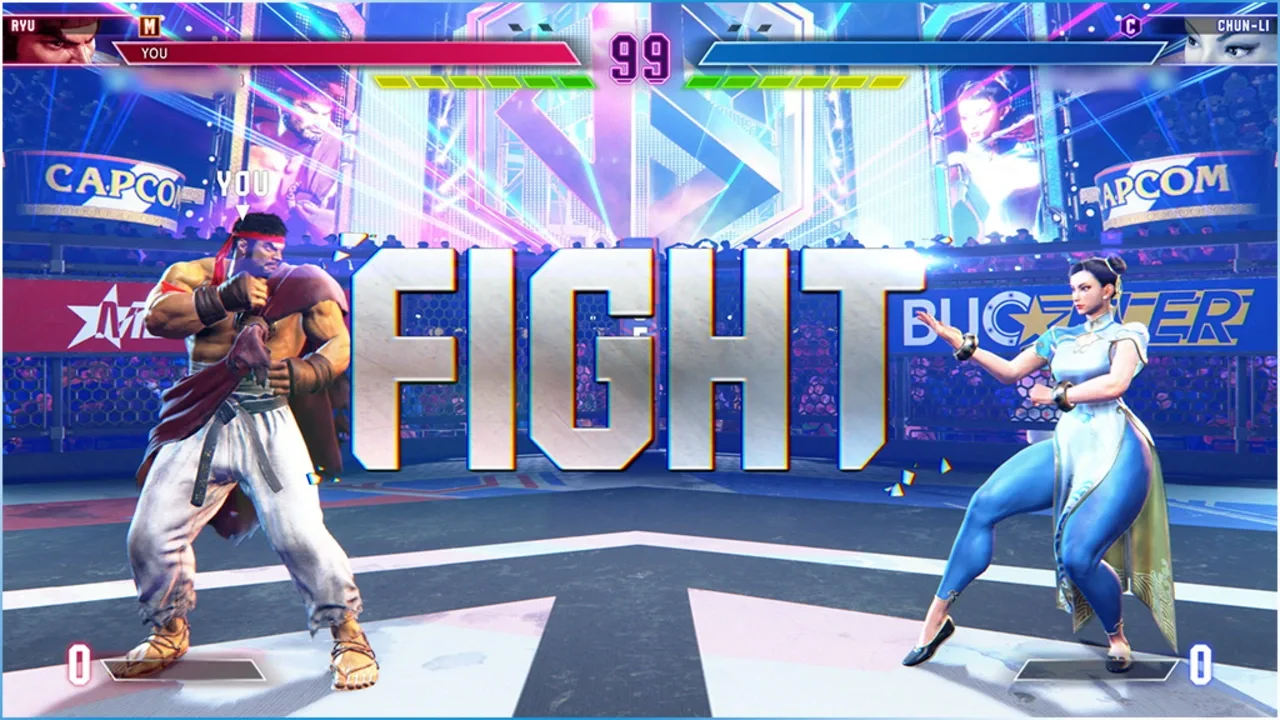
Street Fighter 6 demonstrated what a modern fighting game should look like. Detailed tutorials explain the fundamentals, World Tour allows players to learn the mechanics outside traditional matches, and Modern Controls give beginners access to special moves without requiring hours of practice.
The Drive System combines several functions within a single resource. Its energy can be used to parry attacks, enhance special moves, cancel actions, and perform Drive Impact. Spending the gauge too aggressively leads to Burnout, which significantly limits defensive options.
The system is easy to understand but affects almost every second of a fight. An experienced player watches more than the opponent's health. They also track their available resources and distance from the corner. Street Fighter 6 welcomes newcomers without sacrificing competitive depth.
3. Tekken 3
- Game type: 3D fighting game
- Release year: 1997
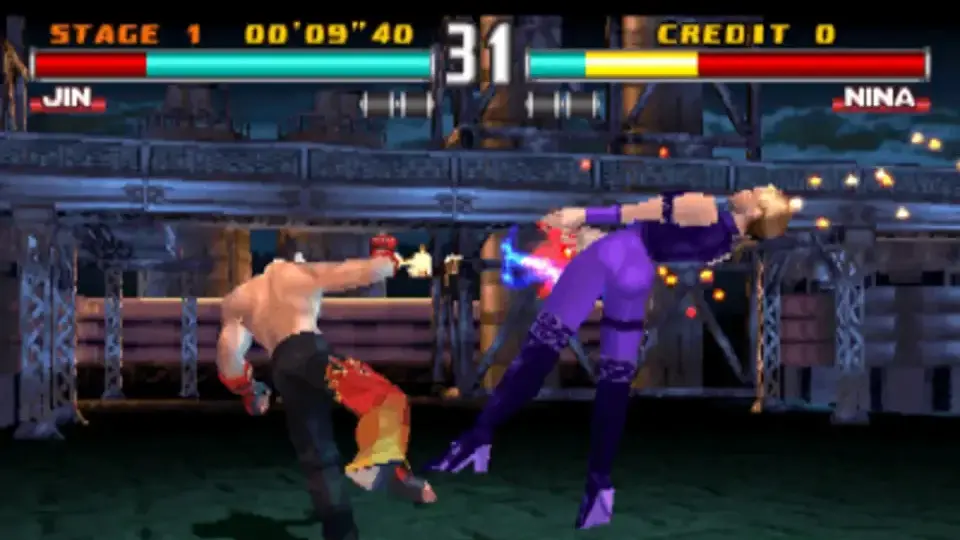
Tekken 3 increased the pace of the series, improved sidestepping, and introduced a generation of fighters who remain central to its roster today. Jin Kazama, Hwoarang, Eddy Gordo, and Xiaoyu were not simply replacements for older characters. Each represented a different way of controlling space and building offence.
Attacks reacted clearly to the opponent's position. The right combination could keep them airborne, while a sidestep allowed players to punish an overly predictable move. The controls were accessible, but mastering a single character required learning dozens of attacks.
The PlayStation version added Tekken Force, Tekken Ball, and an extensive selection of unlockable fighters. Tekken 3 did more than bring the arcade experience home. It demonstrated that a console release could offer far more than the original cabinet.
Related Article
Tekken 8 has been overtaken by Street Fighter 6, and the shift is hard to ignore
2. Street Fighter II Turbo
- Game type: 2D fighting game
- Release year: 1992
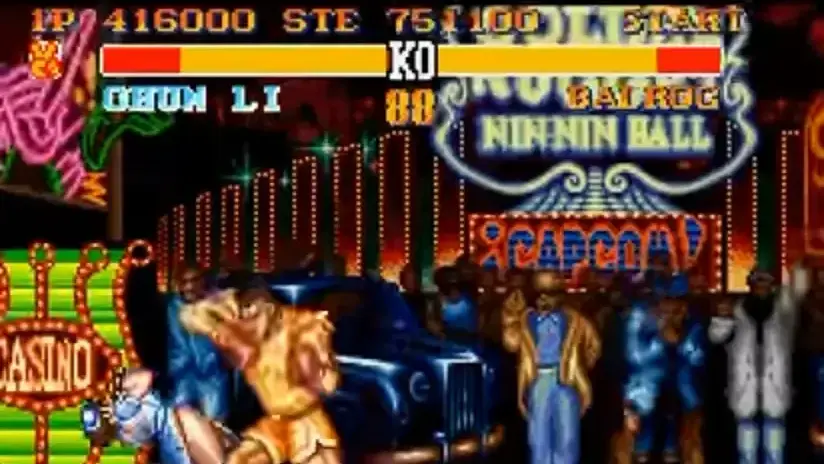
Modern fighting games still use the language created by Street Fighter II. Ryu controls space with projectiles, Zangief attempts to close the distance, and Chun-Li relies on speed. The characters differ in more than appearance. Each forces the opponent to solve a different problem.
The Turbo version increased the pace, improved the balance, and expanded the fighters' options without complicating the fundamentals. Six attack buttons, blocking by holding away from the opponent, and special moves requiring specific directional inputs became the foundation of the entire genre.
Not every matchup is perfectly balanced, and later games offer more tools. Street Fighter II Turbo remains remarkably readable. A newcomer can understand the rules after a few rounds, while an experienced player will still find room to predict the opponent and control distance.
1. Street Fighter III: 3rd Strike
- Game type: 2D fighting game
- Release year: 1999
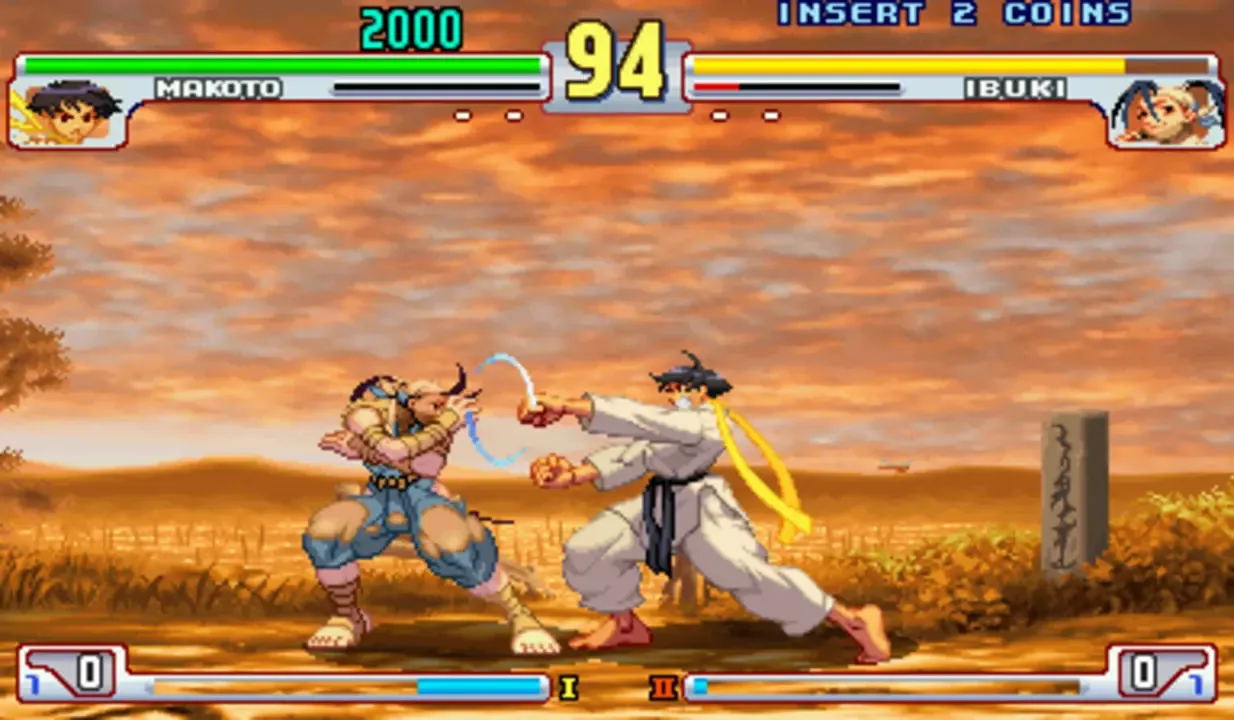
Street Fighter III: 3rd Strike strikes a balance between precise rules and the freedom to take risks. Every attack has a clear purpose, the characters approach fights in different ways, and the hand-drawn animation remains among the best in the genre's history.
Parry allows players to deflect an incoming strike by tapping towards it at the exact moment of impact. A successful attempt does more than prevent damage. It can turn defence into an immediate counterattack. The mechanic ensures that even apparently safe offence carries a degree of risk.
The system demands courage and an understanding of the opponent. A player can block and accept a small amount of damage or attempt a parry and risk losing the round. This is why 3rd Strike creates such memorable moments. It never guarantees safety, but it provides the tools to turn almost any fight around.
Tagged In
Discussion
0We want to hear from you. Share your perspective in the comments below, and please keep the conversation respectful.
Log in to join the discussion - vote, reply, and share your take.
Log In