Xbox needs exclusives without abandoning its PlayStation business
Xbox is bringing back selected exclusives while continuing to publish other games on PlayStation. The strategy only works if those exclusives create long-term Xbox customers without giving up too much multiplatform revenue.
Microsoft is polling Xbox Insiders on whether franchises such as Fallout, The Elder Scrolls, Doom and Diablo should become console exclusives again. One reported scenario goes even further, asking about ending new Minecraft sales and content updates on PlayStation and Nintendo.
Xbox has not announced plans to pull those franchises from rival consoles. Under CEO Asha Sharma, the company is taking a narrower approach for now, bringing back selected exclusives while continuing to publish other games on PlayStation.
That puts Microsoft in a tricky position. Exclusives can make Xbox hardware more attractive, but every PlayStation release it withholds also gives up sales from an audience it already has. The strategy only works if enough of those players move into Xbox and keep spending there after the exclusive that brought them over.
Xbox needs customers who stay after the exclusive
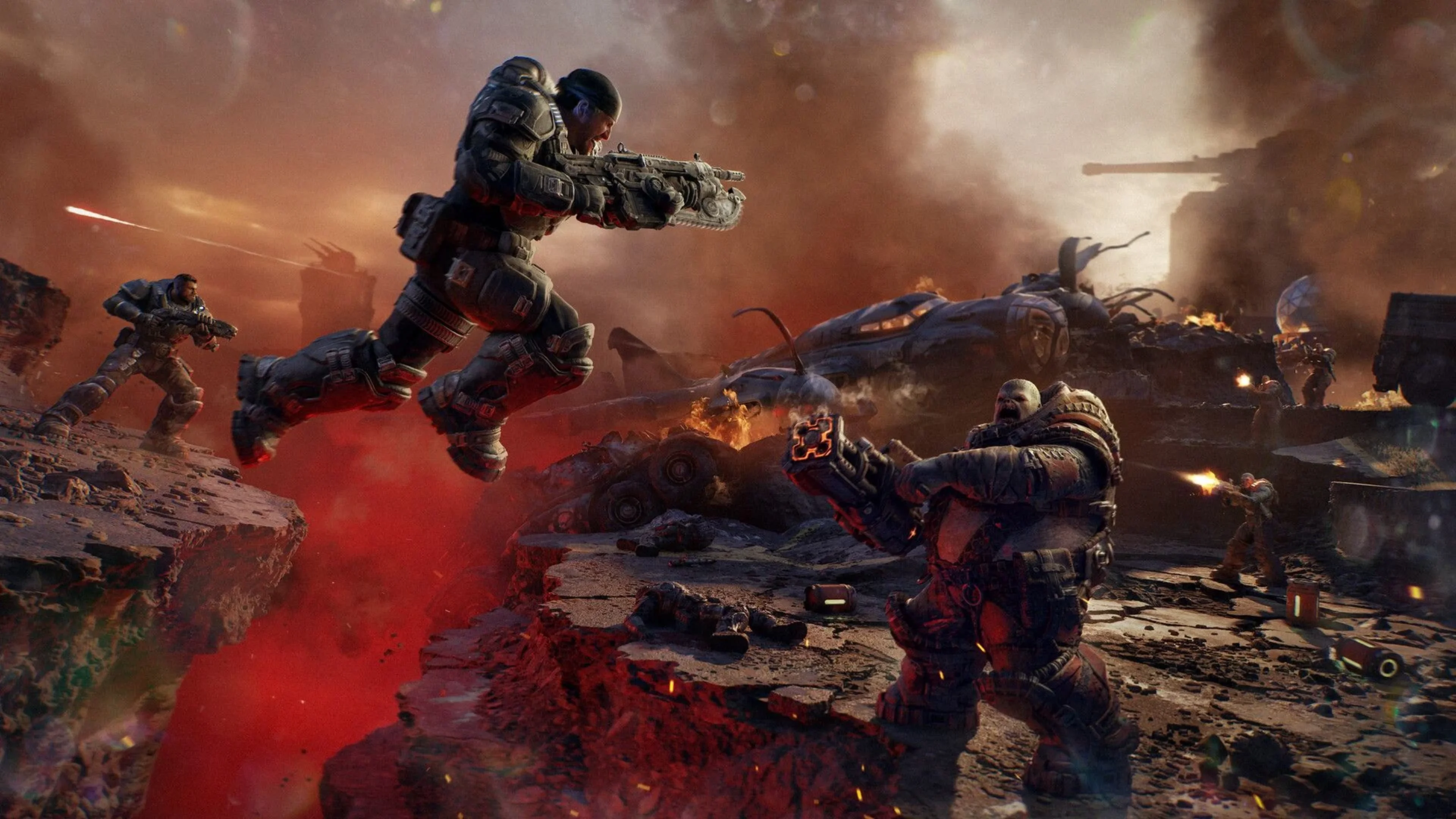
In June, Sharma and chief content officer Matt Booty made clear that Xbox would keep some major games off rival consoles. Gears of War: E-Day and Clockwork Revolution will remain on Xbox and PC, with more signature exclusives planned each year, while previously announced multiplatform releases continue to ship elsewhere.
A game like Gears can help sell an Xbox because a PlayStation owner has no other console option. But buying the box is only the first step. If that player goes straight back to PS5 after finishing the campaign, Microsoft has gained one hardware sale and very little else.
The bigger win comes when Xbox becomes the place where that person keeps playing. They might renew Game Pass, buy third-party games through the Xbox Store or pick up DLC and other content there instead of on PlayStation.
Microsoft is also thinking about people who already own an Xbox but barely use it. A major exclusive can bring that machine back into regular use without selling another console.
That is why one-off exclusives are not enough. Microsoft needs a steady lineup strong enough to keep people inside Xbox once the game that brought them there is over.
PlayStation already supplies paying customers
Some of the players Microsoft wants to pull into Xbox are buying its games on PlayStation. Forza Horizon 5 is the clearest example. Four years after its original Xbox release, it finished fourth in Europe's PS5 download chart for 2025 and fourteenth in the US and Canada.
The Elder Scrolls IV: Oblivion Remastered also reached the annual PS5 top twenty in both regions. Making the next Elder Scrolls exclusive would cut off that audience unless some of those players bought an Xbox or moved to PC. The download charts cannot tell us how profitable those PlayStation releases were after porting and platform fees, but the sales disappear entirely if the game never ships there.
Microsoft can hardly treat that revenue as disposable. Xbox content and services revenue fell 10% year over year in the quarter ending June 2026, following a stronger period helped by first-party releases.
Every PlayStation copy brings in money without requiring Microsoft to sell another console. Exclusivity only beats that model when enough players follow the game to Xbox and keep spending there afterwards.
A new Elder Scrolls could sell a second console
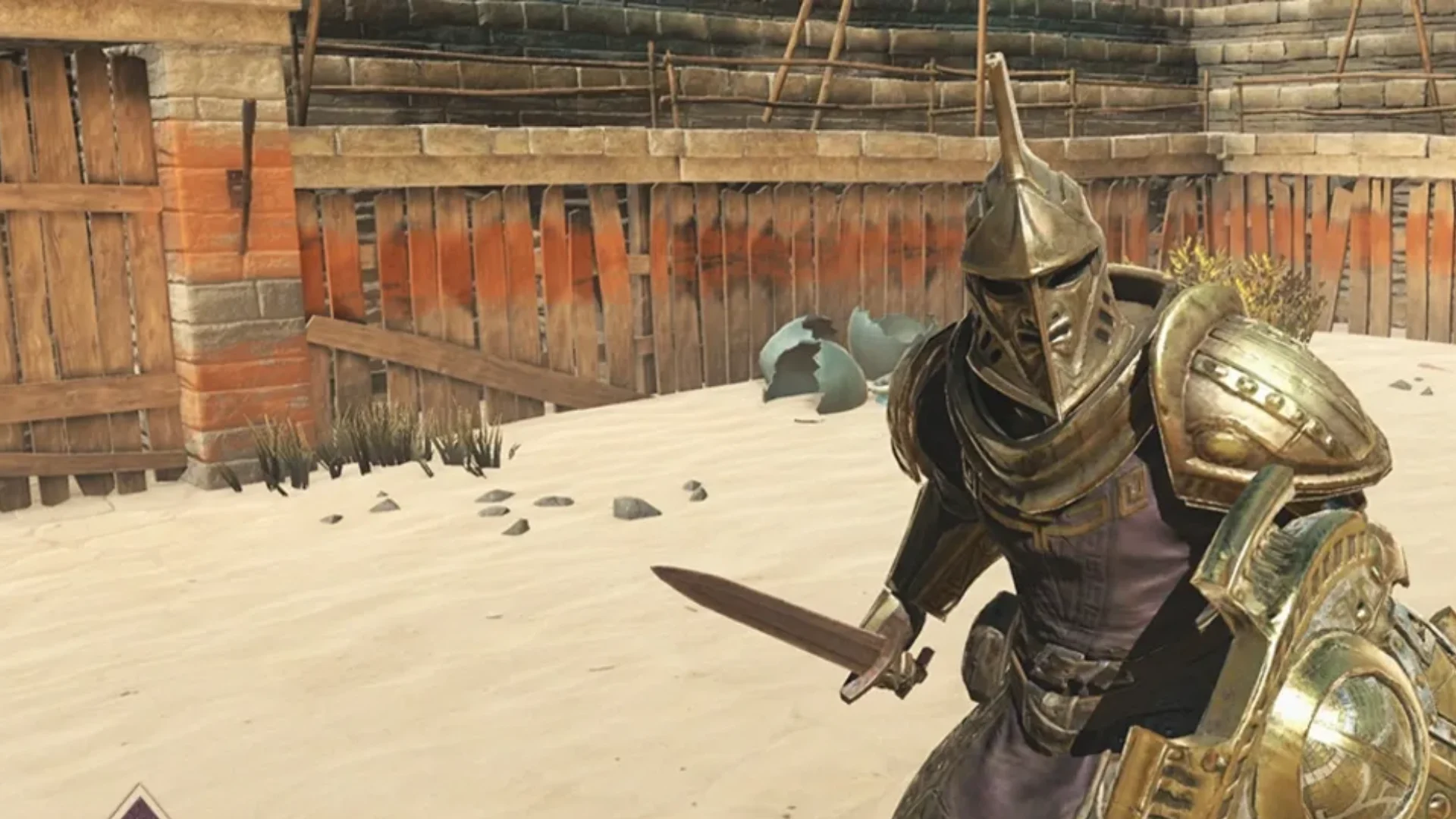
If Microsoft is going to give up PlayStation sales, The Elder Scrolls and Fallout are among the few franchises big enough to make that gamble plausible. Someone who has waited years for The Elder Scrolls VI may simply buy an Xbox to play it.
That does not mean the rest of their gaming moves with them. Their PS5 library, subscriptions and friends stay where they are. The Elder Scrolls VI might sell the console, then EA Sports FC, Call of Duty and the next third-party release still get bought on PlayStation.
PC gives Bethesda fans another route. Anyone with a capable gaming PC can play Microsoft's games there and keep using PlayStation for everything else. Microsoft gets the sale or Game Pass subscription, but the Xbox console gains nothing.
Some fans will also decide that one game is not worth another piece of hardware. The bigger the franchise, the more people Microsoft might pull across, but also the more PlayStation sales it gives up from everyone who stays put.
Diablo adds a different problem. Diablo IV launched with cross-play across Xbox, PlayStation and PC. Making a future game exclusive could split groups that already play together across platforms, which is a much bigger ask than convincing one person to buy another console.
Minecraft would put an existing community at risk
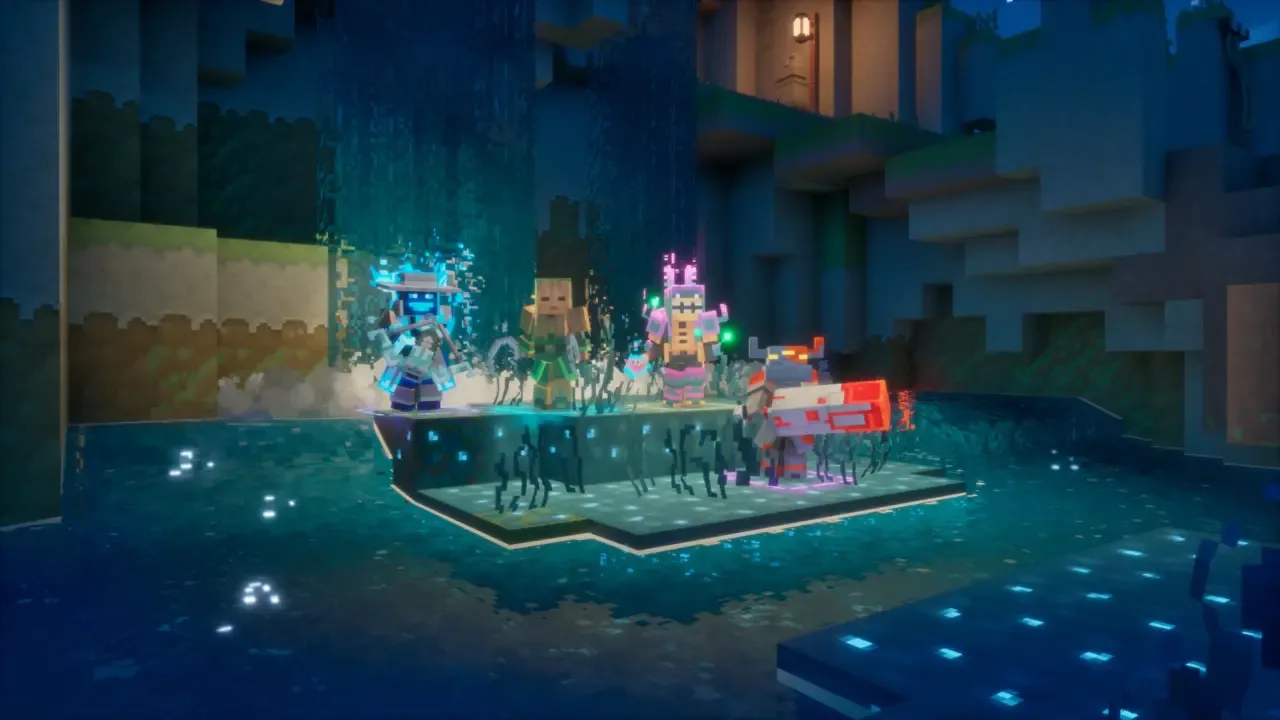
Diablo shows how exclusivity can split a multiplayer group. With Minecraft, Microsoft would be interfering with a cross-platform setup it has spent more than a decade expanding.
One scenario in the survey would remove Minecraft from PlayStation and Nintendo stores and end new content updates on those platforms. Existing purchases would continue to work, but new players and future additions would move elsewhere.
That would be a sharp break from the way Microsoft has handled Minecraft since buying Mojang in 2014. Bedrock players can share Realms across Xbox, PlayStation, Nintendo, Windows and mobile, while Microsoft sells subscriptions and Marketplace content to people on all of those devices.
PlayStation is not a minor part of that audience either. Minecraft finished sixth in Sony's 2025 PS5 download charts in both published regions.
For a group with one player on Xbox, another on Switch and two on PlayStation, moving the game is not as simple as selling one extra Xbox. Either several people change platform or the group starts missing new content together.
Microsoft would also be asking existing customers to accept less support on a version they bought while it was actively maintained. That is a much harder sell for Minecraft than making the next single-player Bethesda RPG exclusive.
Xbox can test exclusivity without pulling everything back
Microsoft already has a cleaner way to find out whether exclusives can strengthen Xbox. Gears of War: E-Day and Clockwork Revolution can stay on Xbox and PC, while franchises that already make good money elsewhere continue to reach PlayStation.
If those exclusives sell consoles, bring inactive Xbox owners back and lead to more Game Pass subscriptions or store purchases afterwards, Microsoft has something worth building on. One strong launch is less important than whether people keep using Xbox once the credits roll.
Timed exclusivity could sit somewhere in between. Xbox gets the first release, while PlayStation sales remain available later. The downside is obvious: tell people a PS5 version is coming and some will simply wait.
Minecraft should stay out of that experiment. Microsoft already makes money from its cross-platform audience, and years of shared worlds, Realms and Marketplace purchases are harder to replace than a single lost game sale.
Xbox needs exclusives that make people want to stay on Xbox. It does not need to turn every successful multiplatform franchise into one.
Tagged In
Discussion
0We want to hear from you. Share your perspective in the comments below, and please keep the conversation respectful.
Log in to join the discussion - vote, reply, and share your take.
Log In